


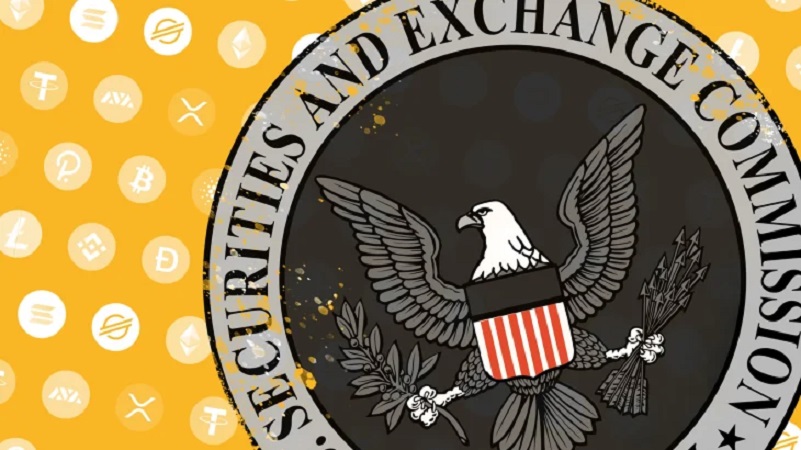
The U.S. Securities and Exchange Commission has taken a significant step toward reshaping the regulatory landscape for digital assets after proposing a new framework that could allow crypto companies to sell certain tokens directly to retail investors.
U.S. SEC Crypto Proposal Opens New Path for Retail Token Sales
The U.S. Securities and Exchange Commission has taken a significant step toward reshaping the regulatory landscape for digital assets after proposing a new framework that could allow crypto companies to sell certain tokens directly to…
Tekedia
Publisher
Aug 23, 2026 at 8:31 AM UTC · Updated hace un día · 3 min de lectura
Key Signal
$5M Four-year token issuance cap
Last Updated
hace un día
The proposed Regulation Crypto Assets framework seeks to create clearer rules for token issuance while reducing some of the regulatory uncertainty that has surrounded the U.S. crypto industry for years.
At the center of the proposal are exemptions that would give qualifying crypto projects new avenues to raise capital without navigating the full registration requirements traditionally applied to securities offerings.
One proposed pathway would permit a company to raise up to $5 million through token issuance over a four-year period, while another could allow offerings of as much as $75 million annually, subject to disclosure and reporting requirements.
The significance of these provisions lies in their potential to bring token fundraising back into the U.S. market. For years, blockchain startups have faced a difficult choice: attempt to comply with securities regulations designed largely for traditional financial instruments or move token launches offshore.
Article Intelligence
Topics
Regulation Signal
in progressUpdated hace 17 días
SEC Crypto Asset Market Structure RulemakingRelated Coverage
 Web3IonQ’s Skyloom Optical Communications Terminals Reach 84 On-Orbit Installations Following Latest Launchhace una hora · 1 min read
 CryptoHow Trump's crypto push connects to Bessent's Treasury strategyhace una hora · 2 min read
 CryptoU.S. Treasury buybacks trigger market shifts; Bitcoin records largest weekly gain since March 2024hace 2 horas · 1 min read
Sponsored
Ad
NewsLayerLearn more
NewsLayer Premium
Unlock deeper intelligence.
Ad-free reading, exclusive research, and real-time onchain insights.
Go Premium