

VALR’s Ehsani Warns Crypto Curbs Could Reduce Regulatory Oversight
VALR executive Farzam Ehsani warned that restrictive cryptocurrency rules could weaken, rather than strengthen, regulatory oversight. He argued that excessive curbs may push crypto activity away from regulated platforms and into less…
Cryptonews.net
Publisher
Aug 9, 2026 at 7:24 PM UTC · 2 min de lectura
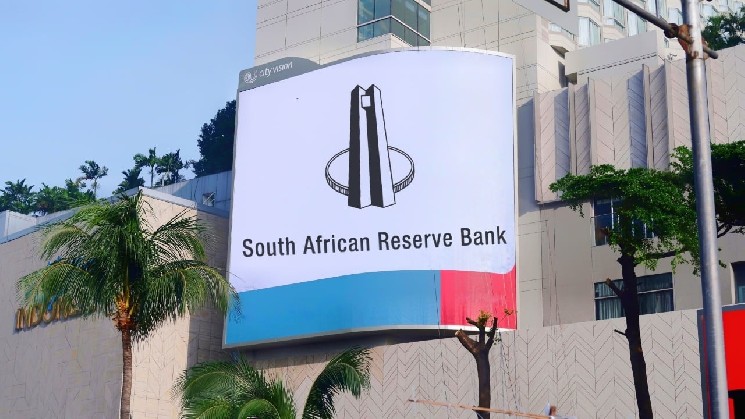
South Africa’s new proposed cross-border cryptocurrency framework risks severely damaging the domestic digital asset industry and driving financial activity underground unless key provisions are substantially revised, according to Farzam Ehsani, co-founder and chief executive officer of VALR.
Commenting on the joint draft crypto asset manual released by the National Treasury and the South African Reserve Bank (SARB), Ehsani cautioned that attempting to apply decades-old capital controls to modern technology threatens employment, local investment, and business innovation.
While acknowledging positive adjustments in the draft—specifically that a reportable event is triggered upon withdrawing funds from a crypto asset service provider (CASP) rather than at the initial asset purchase—Ehsani said the proposals remain prejudicial to licensed local operators.
“South Africa would be better served by abolishing exchange controls altogether while preserving appropriate reporting, transparency and regulatory surveillance, rather than attempting to retrofit a half-century-old regulatory regime onto modern technology and the digital economy,” Ehsani told Bitcoin.com News.
Market Context
Bitcoin
BTC
$83,379
-1.51% (24H)
Market Cap
$1.68T
Circulating Supply
20.1M BTC
24H Volume
$42.5B
24H High
$85,061
Article Intelligence
Topics
Related Coverage
 PolicyXRP Just Got a Big Regulatory Boost. Here’s the Latest from the SEChace 2 horas · 2 min read
 CryptoCorporate treasury firms keep buying bitcoin an...hace 3 horas · 1 min read
 CryptoU.K. court orders crypto confiscationhace 3 horas · 1 min read
Sponsored
Ad
NewsLayerLearn more
NewsLayer Premium
Unlock deeper intelligence.
Ad-free reading, exclusive research, and real-time onchain insights.
Go Premium