
Un atacante drenó casi 200,000 tokens XRP del puente de Coreum en 97 minutos el 9 de agosto, explotando una brecha de validación en el software del relayer en lugar de cualquier debilidad en el XRP Ledger.
El precio de XRP cae por debajo de $1 tras el hackeo del Coreum Bridge. Por primera vez desde 2024
El precio de XRP cae por debajo de $1 tras el hackeo del Coreum Bridge. Por primera vez desde 2024 Yahoo Finance
Yahoo Finance
Publisher
Aug 11, 2026 at 3:32 PM UTC · Updated hace 2 meses · 3 min de lectura

Key Signal
199,916.3 XRP XRP drained from bridge
Entities
xrp
Last Updated
hace 2 meses
El puente detuvo sus operaciones mientras XRP caía por debajo de $1 en medio de una cautela generalizada del mercado.
Qué salió mal exactamente en el puente
Un puente de blockchain es una infraestructura que conecta dos redes distintas. Esto permite a los usuarios mover valor entre cadenas que no pueden comunicarse directamente. Los relayers monitorean ambos lados y autorizan las transferencias.
Coreum Bridge permite a los usuarios bloquear XRP en XRPL y recibir una versión puenteada equivalente en la blockchain de Coreum, que pueden usar en aplicaciones de Coreum y luego devolver a XRPL.
Entonces, ¿cómo ocurrió el hackeo? Los números cuentan una historia precisa. La cuenta del puente tenía aproximadamente 200,410 XRP antes del incidente y comenzó a liberar fondos a las 19:16 UTC.
Durante 97 minutos, la cuenta ejecutó 94 pagos por un total de 199,916.3 XRP a dos billeteras recién creadas, dejando solo 493.5 XRP.
Síguenos en X para recibir las últimas noticias a medida que ocurren.
Cada transferencia contaba con una autorización válida. Un cuórum de 17 de las 28 claves del relayer firmó cada pago saliente a través del proceso de multifirma. Las explicaciones iniciales en redes sociales resultaron erróneas. Las advertencias culparon al rippling y a la bandera DefaultRipple, aunque el XRP nativo no puede hacer rippling porque no tiene emisor ni líneas de confianza.
Market Context
Article Intelligence
Key Entities
Topics
Related Coverage
 Crypto$50 million in Bitget hacker swaps puts NEAR Intents’ ‘permissionless’ claim to the testhace 3 horas · 1 min read
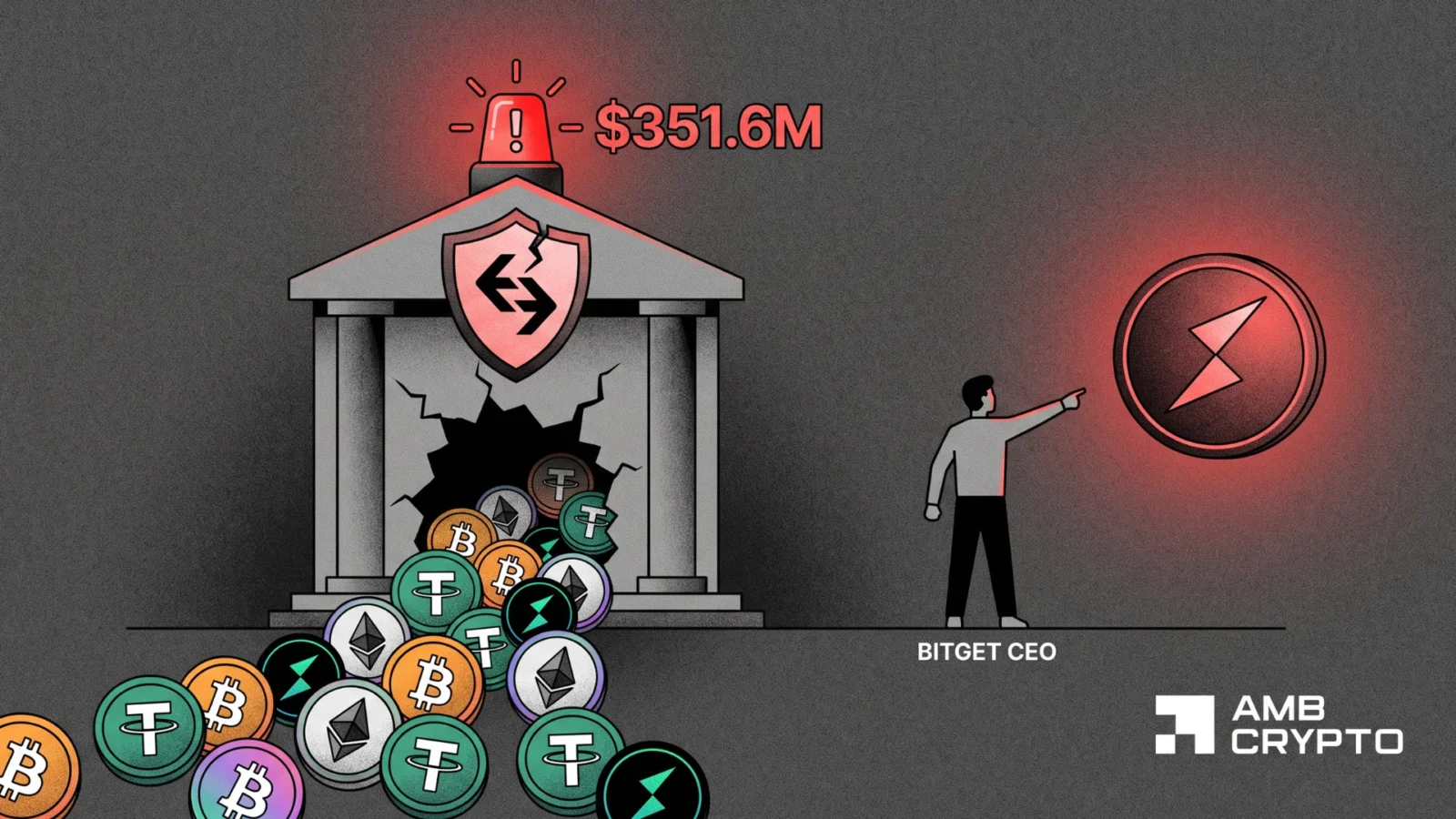 CryptoBitget hackers swap Ethereum for Bitcoin via THORChain — What’s happening?hace 3 horas · 2 min read
 CryptoXRP Price Prediction: Could XRP Hit $1.60 And LINK Reach $15 While Apeing’s Top Crypto Presale in 2026 Targets $0.01?hace 37 minutos · 1 min read
Sponsored
Ad
NewsLayerLearn more
NewsLayer Premium
Unlock deeper intelligence.
Ad-free reading, exclusive research, and real-time onchain insights.
Go Premium