
AI agents could prove who they are before accessing systems
The proposed design links AI credentials to authorized operators and hardware, but no rollout date is specified.
Stock Titan
Publisher
Sep 25, 2026 at 5:02 AM UTC · Updated il y a 10 heures · 12 min de lecture
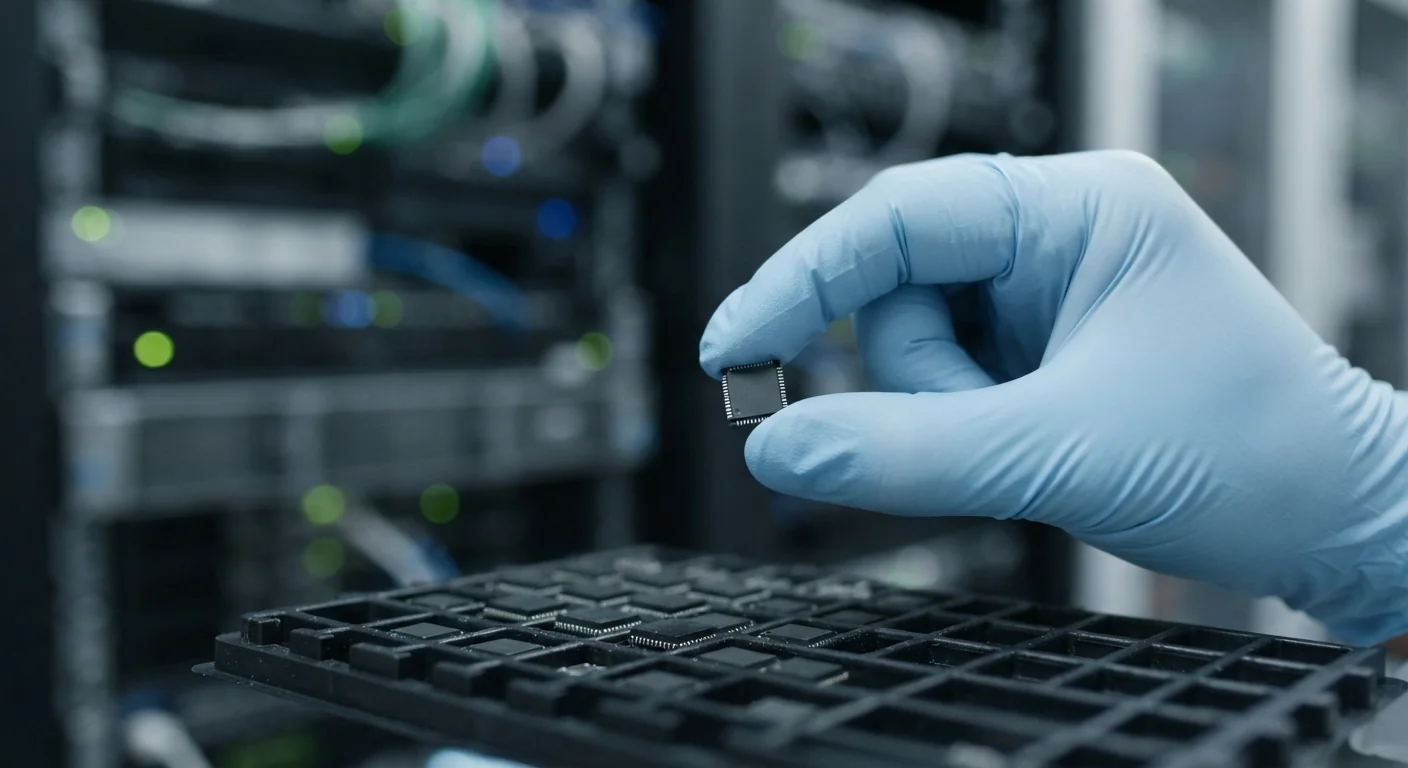
WISeKey and OISTE.ORG Expand Post-Quantum Root of Trust to Secure the Quantum and AI Era
The proposed design links AI credentials to authorized operators and hardware, but no rollout date is specified.
WISeKey (WKEY) and OISTE.ORG announced an expansion of their Quantum Root Key initiative into a post-quantum Root of Trust architecture for AI systems. The architecture is designed to give AI models and agents cryptographically verifiable identities linked to organizations, devices and authorized human operators. It uses NIST-standardized post-quantum algorithms, including ML-DSA and ML-KEM.
WISeKey says the architecture could help verify model integrity, agent authorization and signed AI actions. Its subsidiary SEALSQ (LAES) could extend the Root of Trust into secure elements and other semiconductor hardware. The announcement describes potential uses but gives no deployment date or commercial terms.
Loading...
Loading translation...public key infrastructure technical
"The same Public Key Infrastructure principles that have authenticated websites"
A public key infrastructure (PKI) is the system of digital keys, certificates and trusted procedures that proves who is on the other end of an electronic interaction and encrypts the data they exchange. Think of it as a verified digital mailroom and set of padlocks: one key is shared publicly to lock messages and a matching secret key unlocks them, which helps prevent fraud, supports secure transactions, regulatory compliance and preserves investor trust in a company’s digital operations.
hardware security modules technical
"tamper-resistant environments including Hardware Security Modules (HSMs)"
Hardware security modules are specialized, tamper-resistant devices that store and use encryption keys and perform sensitive cryptographic tasks inside a locked “vault” so the keys never leave the device. For investors, they matter because they reduce the risk of data breaches, help companies meet security rules, and protect the integrity of transactions—factors that can affect a firm’s legal exposure, customer trust, and long-term value.
trusted platform modules technical
"Hardware Security Modules (HSMs), Trusted Platform Modules (TPMs)"
Trusted platform modules are small, dedicated chips or components built into devices that store digital keys and perform security checks to prove the device and its software are genuine. For investors, TPMs matter because they reduce the risk of data breaches, fraud and downtime—similar to a locked safe for critical information—which can protect a company’s reputation, lower legal and cleanup costs, and preserve customer trust and long‑term value.
Article Intelligence
Topics
Sponsored
Ad
NewsLayer Premium
Unlock deeper intelligence.
Ad-free reading, exclusive research, and real-time onchain insights.
Go Premium