
Today’s Artificial intelligence has evolved far beyond simple chatbots that merely answer questions or generate text. Two major branches of autonomous AI now dominate engineering and enterprise roadmaps. AI agents and physical AI.
AI agents vs physical AI: How software automation differs from embodied robotics
Today’s Artificial intelligence has evolved far beyond simple chatbots that merely answer questions or generate text. Two major branches of autonomous AI now dominate engineering and enterprise roadmaps. AI agents and physical AI.
Interesting Engineering
Publisher
Nov 22, 2026 at 3:54 PM UTC · Updated il y a une heure · 3 min de lecture
Traduction…
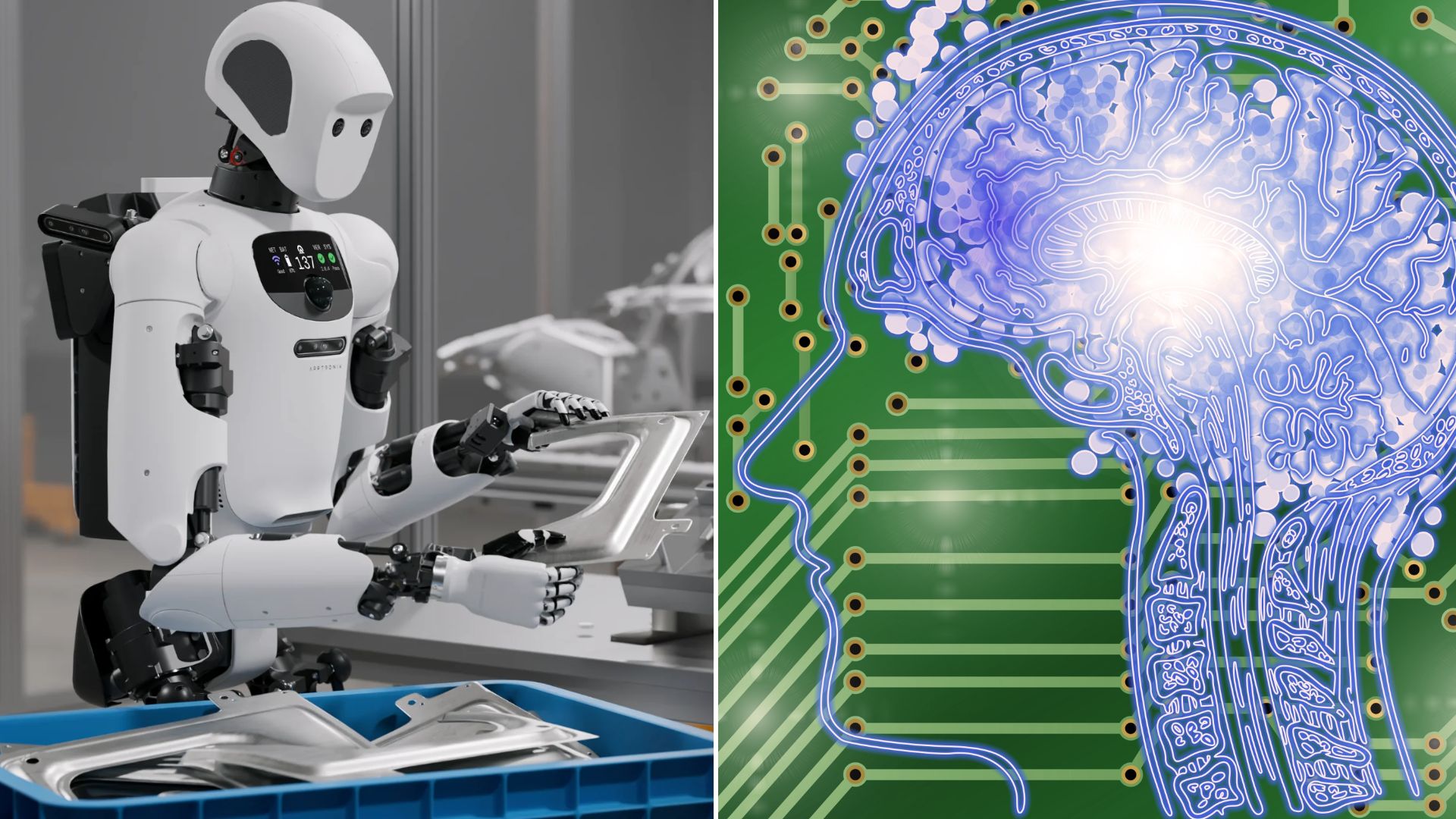
While both are built to pursue goals independently rather than waiting for step-by-step human prompts, they operate in fundamentally different environments. One moves bits across software networks, while the other moves atoms in the real world.
Understanding where AI agents end and physical AI begins is essential for engineers, developers, and businesses deciding how to automate digital workflows versus physical operations.
How AI agents automate digital workflows
AI agents, often referred to as agentic AI, are autonomous software systems designed to plan, reason, and execute multi-step tasks inside digital environments. According to IMEC and enterprise software architectures, standard generative models simply respond to a prompt and leave the human user to act on the output.
An AI agent takes an overarching objective, breaks it into logical subtasks, accesses external software tools or application programming interfaces (APIs), and carries out the workflow end to end. Under the hood, AI agents typically pair large language models (LLMs) or reasoning models with memory modules, orchestration frameworks, and standardized connectors such as the Model Context Protocol (MCP).
Article Intelligence
Topics
Sponsored
Ad
NewsLayerLearn more
NewsLayer Premium
Unlock deeper intelligence.
Ad-free reading, exclusive research, and real-time onchain insights.
Go Premium