
The idea that autonomous, thinking machines may one day destroy property, hierarchy and inequality is as old as western political thought. In Aristotle’s Politics, the philosopher cites a fantasy from the Iliad, in which machines begin to act independently of human direction, concluding: “If every tool could perform its own work when ordered, or by seeing what to do in advance … if thus shuttles wove and quills played harps of themselves, master-craftsmen would have no need of assistants and masters no need of slaves.”
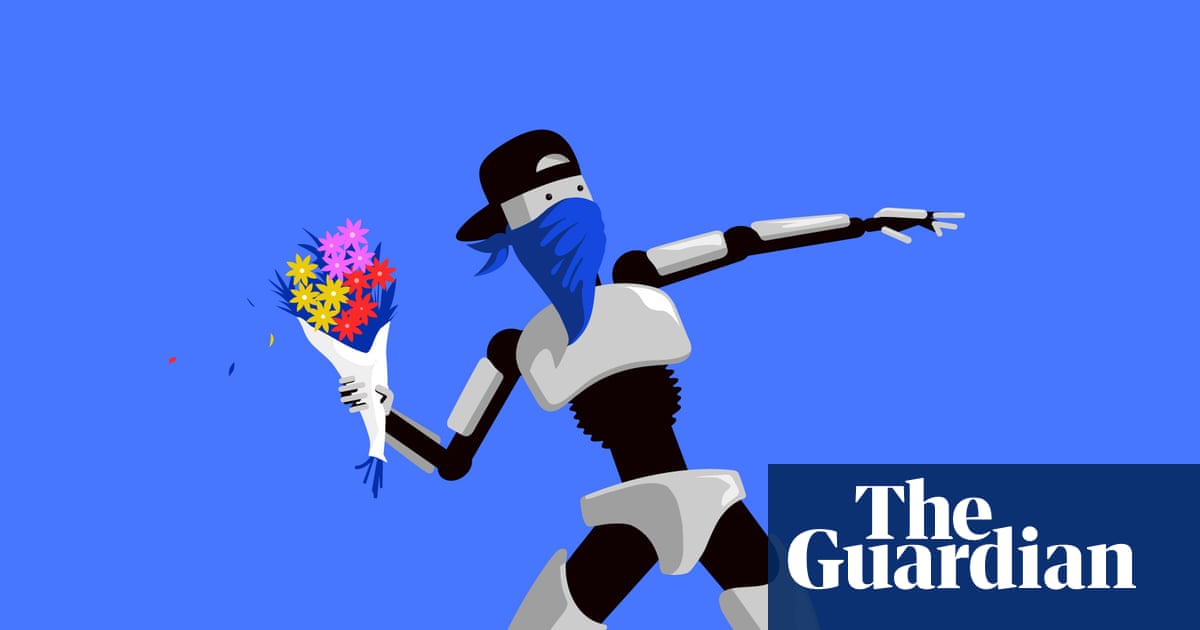
AI will transform capitalism – but how?
The idea that autonomous, thinking machines may one day destroy property, hierarchy and inequality is as old as western political thought. In Aristotle’s Politics, the philosopher cites a fantasy from the Iliad, in which machines begin…
The Guardian
Publisher
Sep 13, 2026 at 11:00 AM UTC · Updated il y a 6 heures · 5 min de lecture
Traduction…
The dream that automation could inaugurate a classless society is also present in the writings of Karl Marx. In 1858 he imagined the replacement of intellectual property with “socialised knowledge”, which would merge into a “general intellect”, blowing the foundations of capitalism sky high.
Today this prospect has begun to haunt Silicon Valley. In July, Dean Ball, head of strategic futures at OpenAI, claimed China’s advocacy of open-source models of artificial intelligence might bring about “full AI communism”.
For China, Ball complained, “AI is a public good which will ultimately be provided by the state as a kind of ‘digital public infrastructure’.” This, he concluded, “strikes me as a dystopian hellscape”.
Article Intelligence
Topics
Sponsored
Ad
NewsLayerLearn more
NewsLayer Premium
Unlock deeper intelligence.
Ad-free reading, exclusive research, and real-time onchain insights.
Go Premium