

Anthropic gave the example of a model like Claude adjusting a laser, checking the results via a separate camera, then repeating the process to automatically calibrate the whole system. MHS could also allow an AI model to focus a microscope, analyze the results, decide what part needs more observation, then automatically move the microscope to the relevant section to continue the experiment.
Anthropic's new hardware standard lets AI agents control the physical world
Anthropic has introduced a new hardware standard aimed at allowing AI agents to interact with and control physical systems. The development, reported by Ars Technica, signals a push to connect AI software with real-world devices.
Ars Technica
Publisher
Aug 27, 2026 at 10:15 PM UTC · Updated il y a 13 minutes · 2 min de lecture
Traduction…
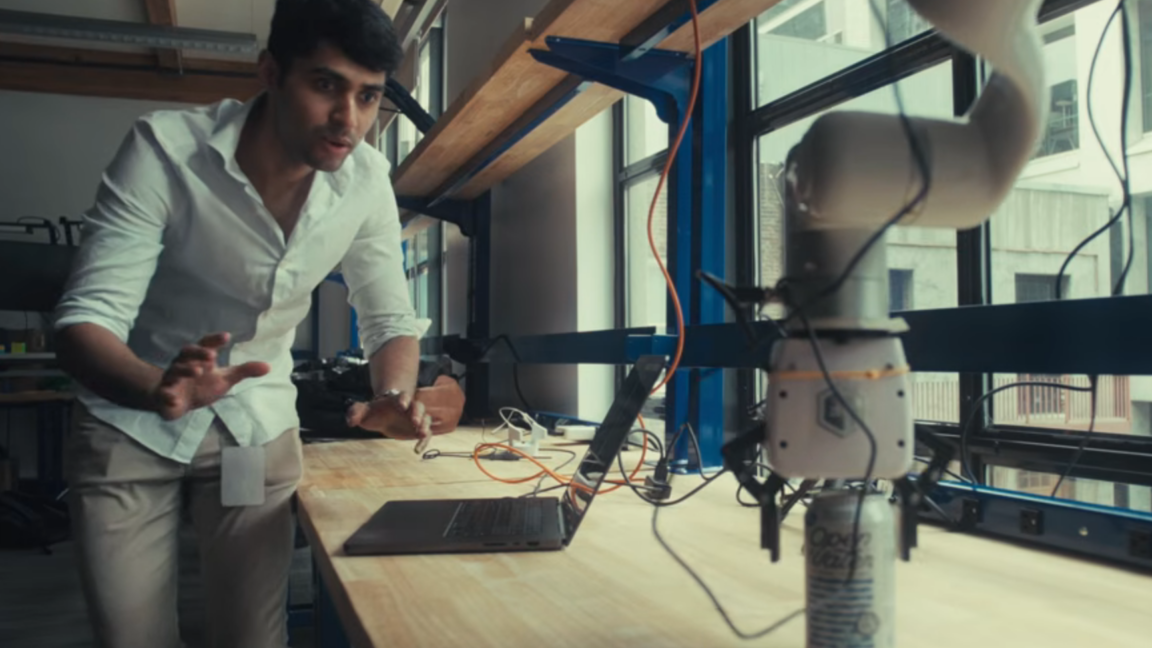
In a video, Anthropic also showed Claude reasoning how to get a robotic arm to pick up an aluminum can even though it had not been specifically trained on the required steps. And rather than reasoning through each step each time, Anthropic says MHS-enabled models can sequence steps across instruments by writing API scripts and adjusting them as conditions require.
Anthropic introduces MHS in a promo video
Anthropic says MHS also includes a standardized tagging system to describe hardware’s real-world constraints for models that may have been trained more in the virtual world. That includes encoded information about the hardware’s physical characteristics (e.g., the weight and range of a robot arm) as well as its adjustable parameters, measurement options, and enforced safety limits. These tags can then be integrated into a reference file that can quickly provide an AI model with crucial information about a device it has no previous training experience with.
Article Intelligence
Topics
Sponsored
Ad
NewsLayerLearn more
NewsLayer Premium
Unlock deeper intelligence.
Ad-free reading, exclusive research, and real-time onchain insights.
Go Premium