
Coldcard Hack Spurs $850M Inflow into Bitcoin ETFs
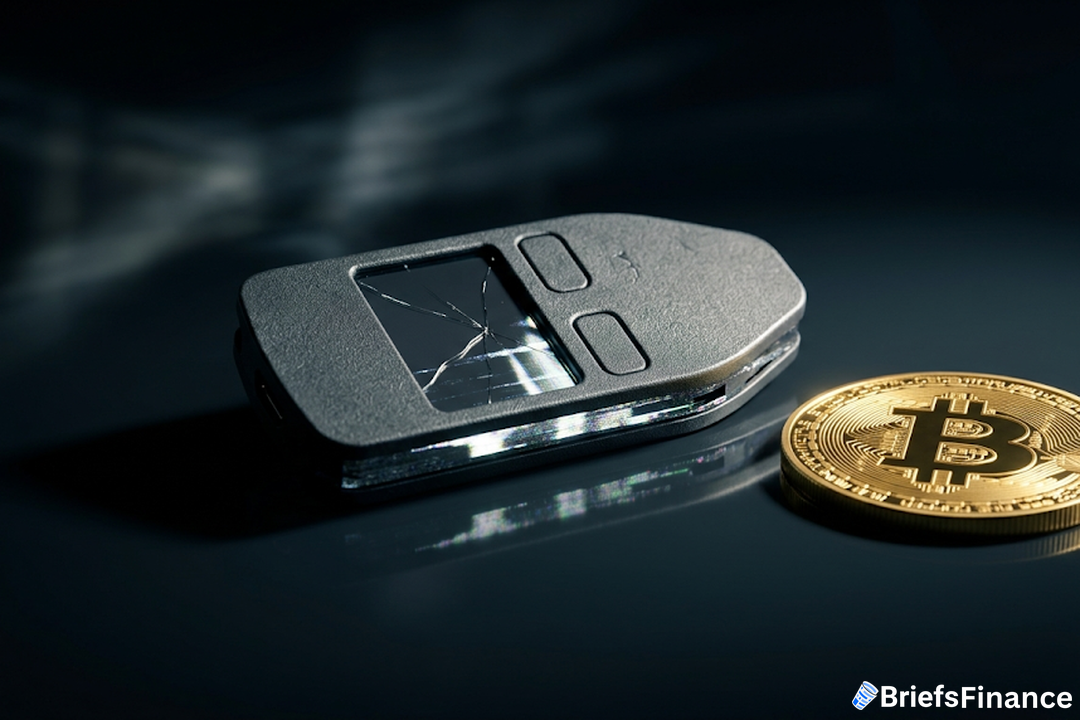
Cold wallets are supposed to be the safest way to hold crypto. They are offline devices built to keep digital assets out of reach of online attackers.
Briefs Finance
Publisher
Aug 11, 2026 at 2:01 AM UTC · 2 min de lecture
Entities
bitcoin
Last Updated
il y a 2 mois
Traduction…
Cold wallets are supposed to be the safest way to hold crypto. They are offline devices built to keep digital assets out of reach of online attackers.
But a flaw in Coinkite's firmware let attackers seize control without ever touching the physical units. The wallet's security was weaker than it looked.
Coinkite said it is "heads down helping affected customers."
The hack hit at the heart of crypto's promise. The whole point of a cold wallet is that your coins stay safe because the keys never touch the internet.
When that promise breaks, investors start looking for other options.
The incident serves as a reminder that even hardware wallets are not immune to sophisticated attacks.
Get the free Always Be Buying eBook and learn the simple system for building wealth on any income
Investors Moved Anyway
The timing stands out. Since June, Bitcoin has mostly stayed between $60,000 and $67,000, leaving it worth roughly half its October peak.
On Monday, Bitcoin fell nearly 2% to $63,860.
Despite the hack, money kept flowing in. That is striking because the inflows happened without any major price rally behind them.
The demand suggests investors are moving their digital assets out of personal control and into institutional vehicles, according to Rajiv Sawhney of Wave Digital Assets. He called it "the marginal coin migrating from self-custody into institutional wrappers."
Market Context
Bitcoin
BTC
$82,037
+0.67% (24H)
Market Cap
$1.65T
24H Volume
$26.2B
24H High
$82,538
Article Intelligence
Key Entities
Related Coverage
 CryptoScammer loses $4.8M stored on tampered Ledgers: Asia Expressil y a 6 heures · 6 min read
 CryptoLedger Launches Android Crypto Device After $93M Hardware Wallet Hackil y a 9 heures · 1 min read
 MarketsBitcoin Analyst Bullish Ratio Surges to 84% — Expectations Running Ahead of Price Raises Correction Riskil y a 6 heures · 1 min read
Sponsored
Ad
NewsLayerLearn more
NewsLayer Premium
Unlock deeper intelligence.
Ad-free reading, exclusive research, and real-time onchain insights.
Go Premium