
Crypto Banking: Why Digital Assets Now Need Banks
The article examines why digital asset users and businesses increasingly need banking services as crypto becomes more integrated with financial activity. It is published by OneSafe and focuses on the relationship between crypto banking…
OneSafe
Publisher
Oct 14, 2026 at 12:54 AM UTC · 8 min de lecture

Key Signal
18 years Crypto innovation period
Last Updated
il y a 9 heures
Traduction…
Points Clés
- Crypto banking is presented as an emerging need for the digital-asset sector.
- The story links the growth of digital assets with demand for banking-related services.
- OneSafe is the publisher of the article.
For nearly two decades, crypto promised a world without banks. On October 13, 2026, Newsweek published a blunt admission: digital assets failed to strike out on their own. The essay argues that despite 18 years of innovation, crypto has not become a tool for everyday payments—and banks remain the gatekeepers of trust, compliance, and mass-market utility. This shift from “be your own bank” to “bank with crypto” is the defining pivot in crypto banking right now. For founders, finance leads, and DAO treasury managers, the convergence isn’t theoretical. It’s an operational demand that rewrites how you manage money.
Table of Contents
The Pivot: Crypto’s Admission That Banks Are Necessary
Newsweek’s October 13 analysis: digital assets can’t go it alone
On October 13, 2026, Newsweek contributor Ron Tarter wrote that digital assets are “genuinely useful” for escaping monetary debasement, cross-border transfers, and off-hours trading, but they remain walled off from daily life. “Almost nobody in America directly opens up a stablecoin app to pay for groceries. We all prefer the cards issued by our bank,” Tarter noted. The article’s core conclusion: the industry should stop trying to replace banks and instead integrate with them.
Article Intelligence
Topics
Related Coverage
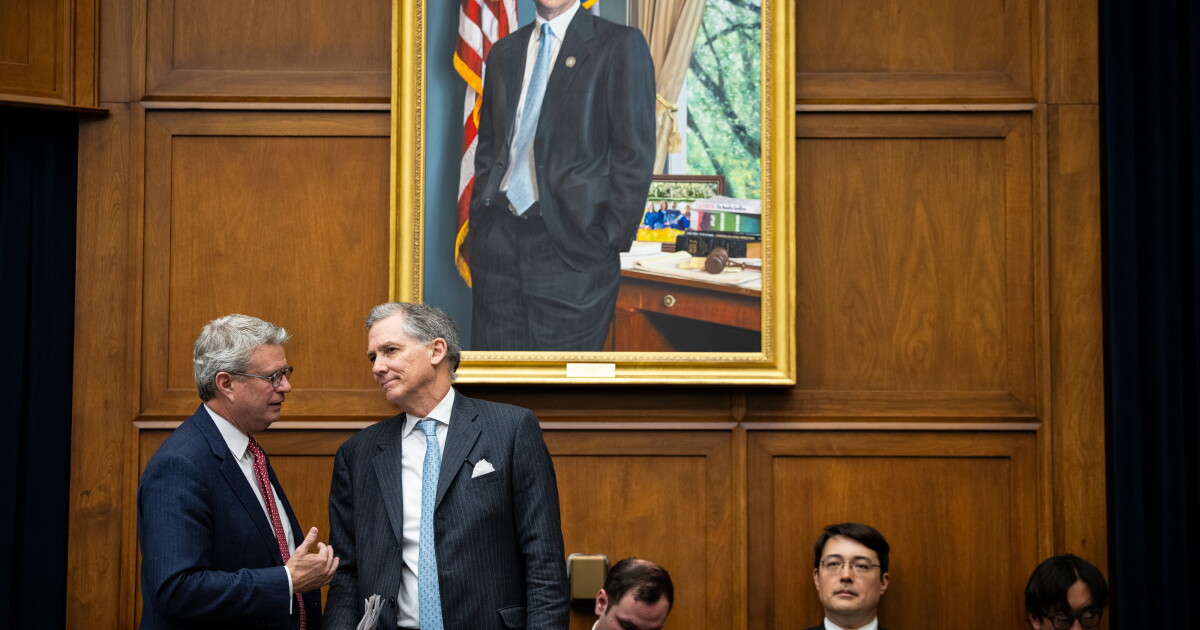 CryptoCrypto comes to rescue vulnerable House banking Republicansil y a 25 minutes · 4 min read
 CryptoCrypto exchange Kraken owner to buy European bankil y a une heure · 1 min read
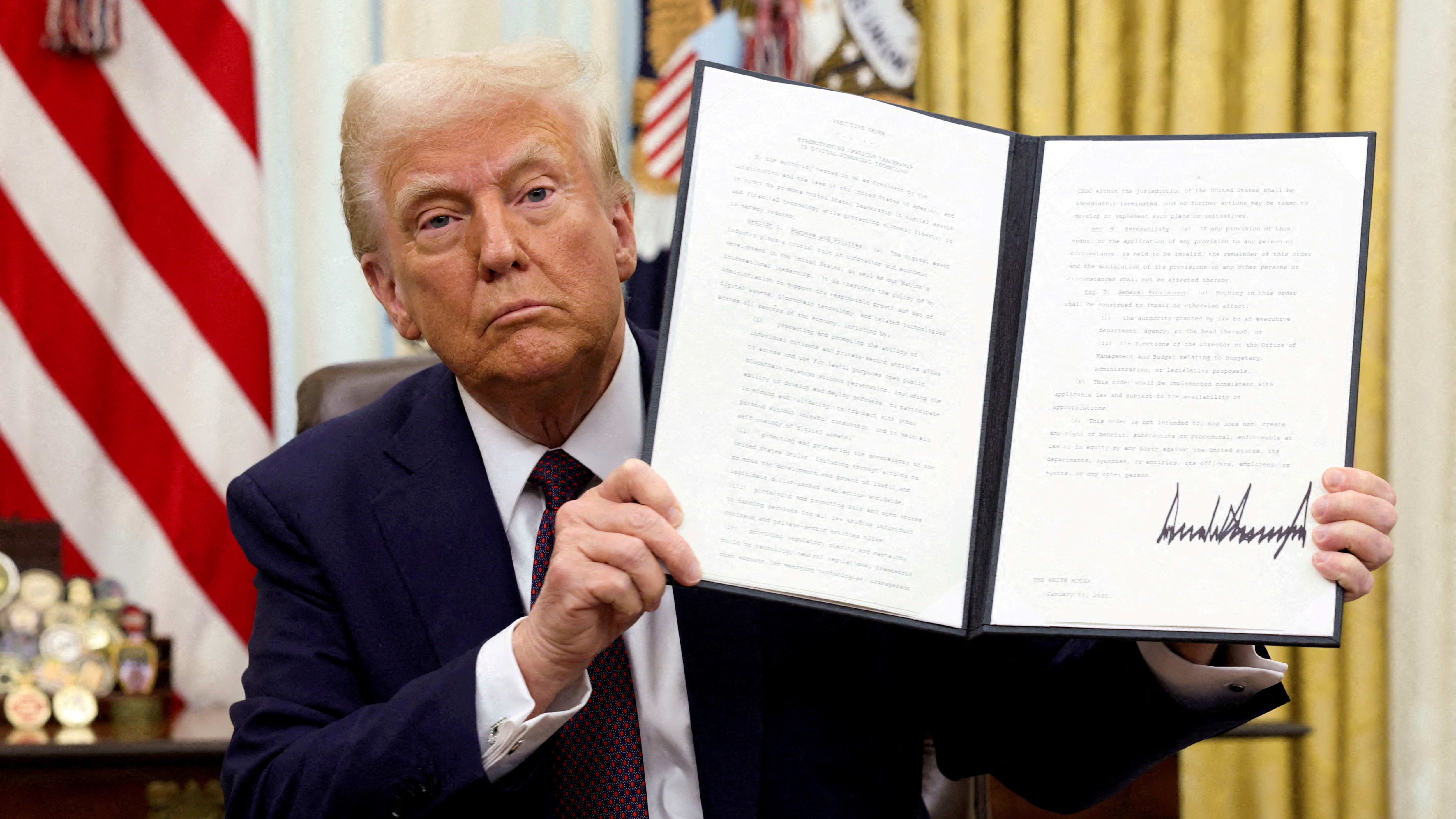 CryptoTrump’s crypto agenda faces legal challenge from US community banksil y a une heure · 1 min read
Sponsored
Ad
NewsLayerLearn more
NewsLayer Premium
Unlock deeper intelligence.
Ad-free reading, exclusive research, and real-time onchain insights.
Go Premium