

Crypto Regulation in 2026: A Complete Guide to the GENIUS Act, CLARITY Act, MiCA, and Global Rules
Crypto regulation shapes which services you can use and how they protect your funds. GENIUS is US payment stablecoin law, CLARITY is still a bill, and MiCA applies in the EU. Cryptocurrency regulation depends on your country, asset,…
stealthex.io
Publisher
Sep 14, 2026 at 1:45 PM UTC · 12 min de lecture

Traduction…
September 14, 2026
• Crypto World • Reading Time: 9 minutes 9 min
WRITTEN BY
Crypto investor and blockchain researcher
Crypto regulation shapes which services you can use and how they protect your funds. GENIUS is US payment stablecoin law, CLARITY is still a bill, and MiCA applies in the EU. Cryptocurrency regulation depends on your country, asset, activity and provider. This guide explains what the rules mean for exchanges, stablecoins, KYC/AML, taxes, privacy and self-custody, with a look at other markets.
Understanding Crypto Regulation: Key Concepts Explained
What Is Crypto Regulation?
Crypto regulation is the set of laws, rules, oversight and enforcement that covers how people issue, offer, trade, hold and send digital assets. It aims to protect users, curb crime, keep markets fair and stable, and make room for new ideas. A reserve law binds issuers. Guidance explains rules; a bill would change them.
Key Crypto Regulation Terms Explained
- Crypto-asset: digital value or rights.
- Stablecoin: targets stable value.
- Payment stablecoin: for payments.
- CASP: crypto-asset service provider.
- Custodial service/hosted wallet: firm holds keys.
- Non-custodial service/self-custody/unhosted wallet: user holds keys.
- KYC: ID checks.
- AML/CFT: curbing money laundering/terrorist financing.
- Travel Rule: sharing transfer-party data.
- Market abuse: unfair trading.
- Reserve assets: backing.
- White paper: disclosures.
- Redemption rights: claims to repayment.
Article Intelligence
Topics
Related Coverage
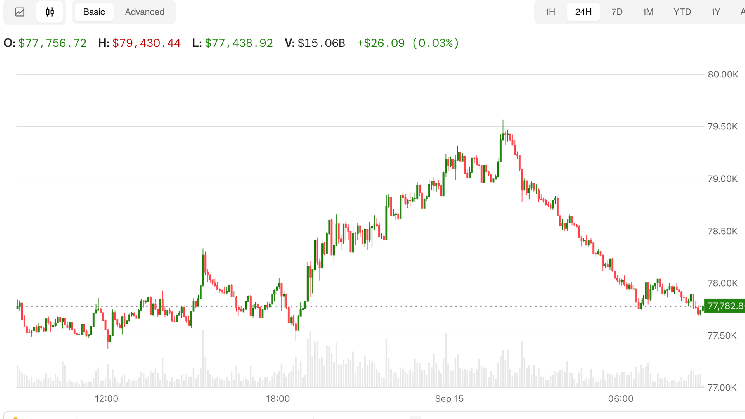 CryptoBitcoin slips to $77,800 as Senate Clarity Act vote nears and oil prices climbil y a 2 heures · 1 min read
 CryptoBitcoin, XRP, SOL drop as Senate Clarity Act vote nearsil y a 2 heures · 1 min read
 CryptoHyperliquid in Germany: Trading Without a MiCA Licenceil y a 3 heures · 14 min read
Sponsored
Ad
NewsLayerLearn more
NewsLayer Premium
Unlock deeper intelligence.
Ad-free reading, exclusive research, and real-time onchain insights.
Go Premium