
Buying and selling digital coins can feel straightforward right up until tax season rolls around. Many traders mistakenly assume crypto activity stays hidden from government tax authorities. Maintaining accurate records of every single trade protects personal finances and prevents severe penalties down the road. Active investors who organize receipts early save time and money.
Cryptocurrency Taxes: How to Stay Compliant
Buying and selling digital coins can feel straightforward right up until tax season rolls around. Many traders mistakenly assume crypto activity stays hidden from government tax authorities. Maintaining accurate records of every single…
Eye On Annapolis
Publisher
Oct 7, 2026 at 10:00 PM UTC · 4 min de lecture
Key Signal
12 months Long-term holding threshold
Last Updated
il y a 18 heures
Traduction…
Understanding Taxable Crypto Events
Every time someone swaps 1 digital token for another, a taxable event occurs. Selling crypto assets for cash or using digital coins to purchase goods triggers clear tax obligations.
Holding crypto inside a private hardware wallet without selling creates zero tax liabilities for that calendar year. Simply moving assets between personal wallets does not trigger taxes either.
Internal Revenue Service guidelines clarify that taxpayers need to report digital asset transactions on their tax return. Missing these mandatory disclosures can lead to unexpected tax audits or financial penalties down the road. Proper awareness allows investors to manage portfolio moves wisely without running into legal trouble.
Tracking Capital Gains and Cost Basis
Calculating net profit requires knowing the original cost basis of every coin sold. Cost basis includes the initial purchase price along with any transfer or trading fees paid during the buy transaction.
Article Intelligence
Topics
Related Coverage
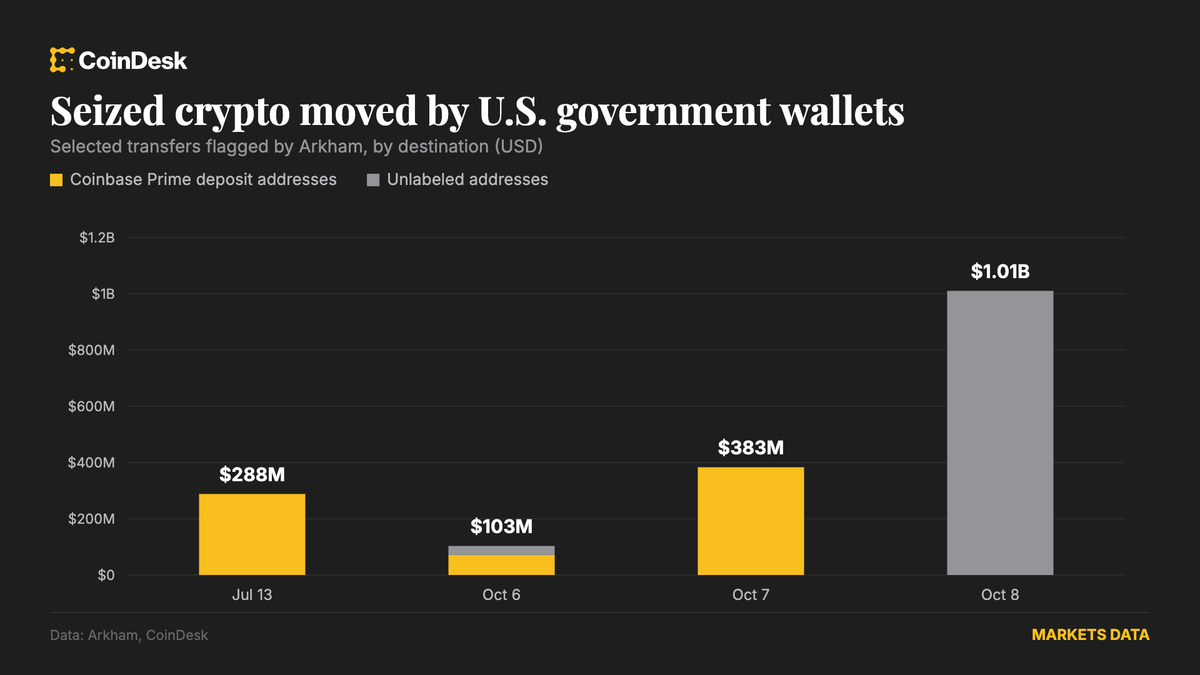 CryptoU.S. government moves $1 billion in bitcoin from Bitfinex hack wallet, no sale indicatedil y a 10 minutes · 1 min read
 CryptoSecuritize Brings Nvidia, Apple and Amazon Onchain With Tokenized Stocks on Solanail y a 42 minutes · 2 min read
 CryptoUS government moves $1.01B in seized Bitcoin fr...il y a une heure · 1 min read
Sponsored
Ad
NewsLayerLearn more
NewsLayer Premium
Unlock deeper intelligence.
Ad-free reading, exclusive research, and real-time onchain insights.
Go Premium