

‘The Devil is in the Details.’ The old proverb, and today it truly fits a number of things going on in AI land: three events where the story lives in the fine print, plus a sneak peek at Apple’s AirPods with ‘cameras’ that are likely not really cameras.
Today’s ARD is about those details, in this AI Tech Wave: the mega data center deal behind OpenAI’s mega-IPO run, the Leopold crash reaching Jane Street, and YouTube recalibrating for the AI content era. With my takes on each.
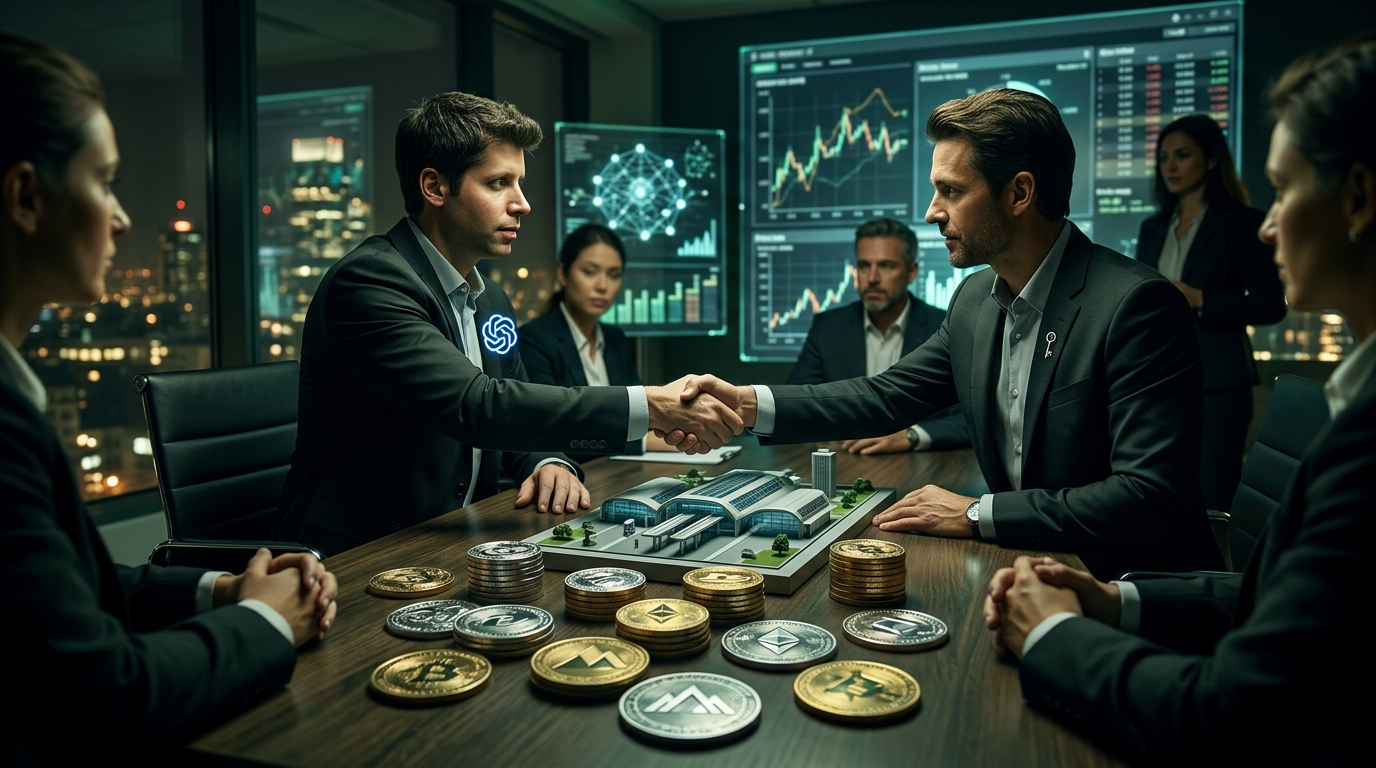
OpenAI signed a 20-year, 10-gigawatt data center lease in southern Ohio with SB Energy, SoftBank’s energy arm, on a former uranium-enrichment site owned by the Department of Energy, with a government gas plant funded by Japan under the recent trade deal. All in, the project could top half a trillion dollars.
July’s headline was a $250 billion Nvidia backstop, and Nvidia’s stock fell 5 percent on that report. The closed deal is a backstop of up to $105 billion, first phase only, and it kicks in only through a waterfall of mitigation steps: SB Energy would first re-lease the site at the same price, then sell it, and only then does Nvidia pay the difference in value, on completed data centers only. Nvidia is backing the asset, not OpenAI’s lease payments. In return: exclusive chips for half the site, potentially $600 billion of revenue through 2030, and $1.5 billion of equity in SB Energy ahead of its own IPO, as soon as next month. Japan recoups its $33 billion first; the US government then takes 90 percent of the power revenue.
My take: a complex Lego set of detailed pieces, intricately put together. The transaction is calibrated to optimize risk and reward for every party involved, with a relatively fair sharing of burdens allotted to each. The Street calls this structure a ‘credit wrapper’, and Google is already doing a version of it for Anthropic. These details are new and illuminating, and they will be repeated by almost everyone doing similar deals around the AI industry, in the trillions of dollars. And remember: Anthropic and now OpenAI are prepping their IPO stories for investors. These sorts of details are the grist for that mill. Nvidia’s ‘Kingmaker’ role and the ‘race to zero’ economics underneath have not changed.
Sources:
For longtime readers:
Leopold Aschenbrenner, 24 years old, took a few hundred million to a $45 billion fund, up to $100 billion with leverage, on the back of a 165-page essay. He borrowed three to four dollars against every dollar of capital, longs and shorts amplifying the same AI theme. Wall Street calls that a ‘Texas hedge’.
Then July turned. Cheaper Chinese open-source models spooked the AI trade, and rivals did not need inside information: prime brokers publish aggregate leverage reports to clients daily, traders matched the drop against his known filings, and the shorts circled. The fund finished July down 67 percent, about $30 billion, selling the bulk of its stock book to Ken Griffin’s Citadel at a roughly 10 percent discount, signed twenty minutes before the market open, as his wedding guests arrived in Carmel. Still up 80 percent on the year.