
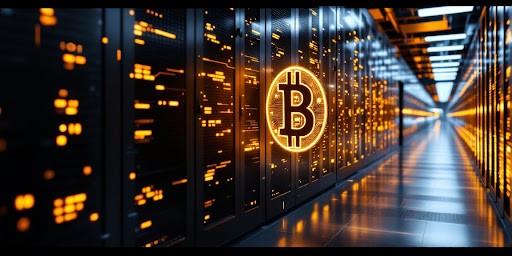
La reconstruction de l'Ukraine pourrait créer un rôle limité mais pratique pour le minage de Bitcoin au sein de son système électrique endommagé. Plutôt que de financer directement la reconstruction, le minage pourrait plutôt agir comme un acheteur flexible d'électricité qui ne peut pas encore atteindre les foyers, les entreprises ou les utilisateurs industriels.
L'Ukraine a-t-elle besoin du minage de Bitcoin pour sa reconstruction d'après-guerre ?
L'Ukraine a-t-elle besoin du minage de Bitcoin pour sa reconstruction d'après-guerre ? Cryptonews.net
Cryptonews.net
Publisher
Aug 13, 2026 at 4:36 AM UTC · 3 min de lecture
Key Signal
83% Dispatch-down energy absorbed
Entities
bitcoin
Market Impact
BTC+0.56%$85,328
Last Updated
il y a 2 mois
Dans ce contexte, le Bitcoin Policy Institute soutient que les mineurs pourraient opérer à proximité des centrales électriques, consommer l'électricité bloquée et réduire ou interrompre l'utilisation lorsque la demande augmente ailleurs. Une telle flexibilité pourrait être particulièrement pertinente pendant la reconstruction, compte tenu de l'ampleur des dommages énergétiques en Ukraine et des besoins de reconstruction plus larges.
Le rôle du minage de Bitcoin dans la reconstruction de l'Ukraine à $588 milliards
La Banque mondiale, la Commission européenne, les Nations Unies et le gouvernement ukrainien ont estimé les besoins de redressement à près de $588 milliards sur dix ans. Sur ce total, près de $91 milliards concernent l'énergie, tandis que les dommages causés aux actifs énergétiques ont augmenté d'environ 21 % entre les évaluations.
Market Context
Bitcoin
BTC
$85,328
+0.56% (24H)
Market Cap
$1.71T
24H Volume
$12.6B
24H High
$85,460
Article Intelligence
Key Entities
Topics
Related Coverage
 CryptoAmerica’s Middle Class Is Getting Crushed: Where Does Bitcoin Fit?il y a une heure · 3 min read
 CryptoBinance's SAFU fund holds $1.27B in Bitcoin wit...il y a 21 minutes · 1 min read
 CryptoBitcoin Churns Below $85,000 as ETF Inflows and Whale Selling Engage in Tug-of-Waril y a 23 minutes · 5 min read
Sponsored
Ad
NewsLayerLearn more
NewsLayer Premium
Unlock deeper intelligence.
Ad-free reading, exclusive research, and real-time onchain insights.
Go Premium