
Ethereum is entering a new scaling phase as Layer 2 networks reduce transaction costs and move more activity away from the mainnet. While cheaper fees improve adoption, they also raise questions about ETH▲$2,518.27 value capture, revenue, and whether Ethereum can benefit from the growth of its expanding Layer 2 ecosystem.
Ethereum Fees Are Collapsing as Layer 2 Grows: Can ETH Still Capture Value?
Ethereum is entering a new scaling phase as Layer 2 networks reduce transaction costs and move more activity away from the mainnet. While cheaper fees improve adoption, they also raise questions about ETH▲$2,518.27 value capture,…
Bitcoin Foundation
Publisher
Sep 16, 2026 at 1:54 PM UTC · 11 min de lecture

Entities
bitcoin, ethereum
Market Impact
ETH+2.61%$2,454
Last Updated
il y a un jour
Traduction…
Contents
Ethereum Fees Are Falling as Layer 2 Activity Grows
Ethereum fees have fallen as more users and applications adopt Layer 2 scaling solutions. The networks process transactions separately but rely on Ethereum for settlement and data availability.
The shift explains why Ethereum gas fees in 2026 are much lower than during periods of intense mainnet congestion. Adoption of Layer 2 networks has decreased the load on the main chain.
The balance sheet economics of Ethereum are now challenged by the growth in alternative settlement layers.
Ethereum Gas Fees and Revenue in 2026
Ethereum gas fees are dictated by demand for block space. Gas prices rise when there is competition for limited processing power.
Adoption of Layer 2 networks reduced the demand for block space on the mainnet. The Ethereum fee revenue forecast is now dependent on capturing value from settlements and data availability. The network earns from processing transactions, but the scale is lower than previous years.
Market Context
Ethereum
ETH
$2,455
+2.63% (24H)
Market Cap
$300.2B
24H Volume
$12.3B
24H High
$2,478
Article Intelligence
Topics
Related Coverage
 CryptoCryptocurrencies Price Prediction: Ethereum, Bitcoin & Crypto – European Wrap 17 Septemberil y a une heure · 1 min read
 CryptoBitcoin and ethereum prices today, Thursday, September 17, 2026: Crypto prices move up following Fed's rate increaseil y a 2 heures · 3 min read
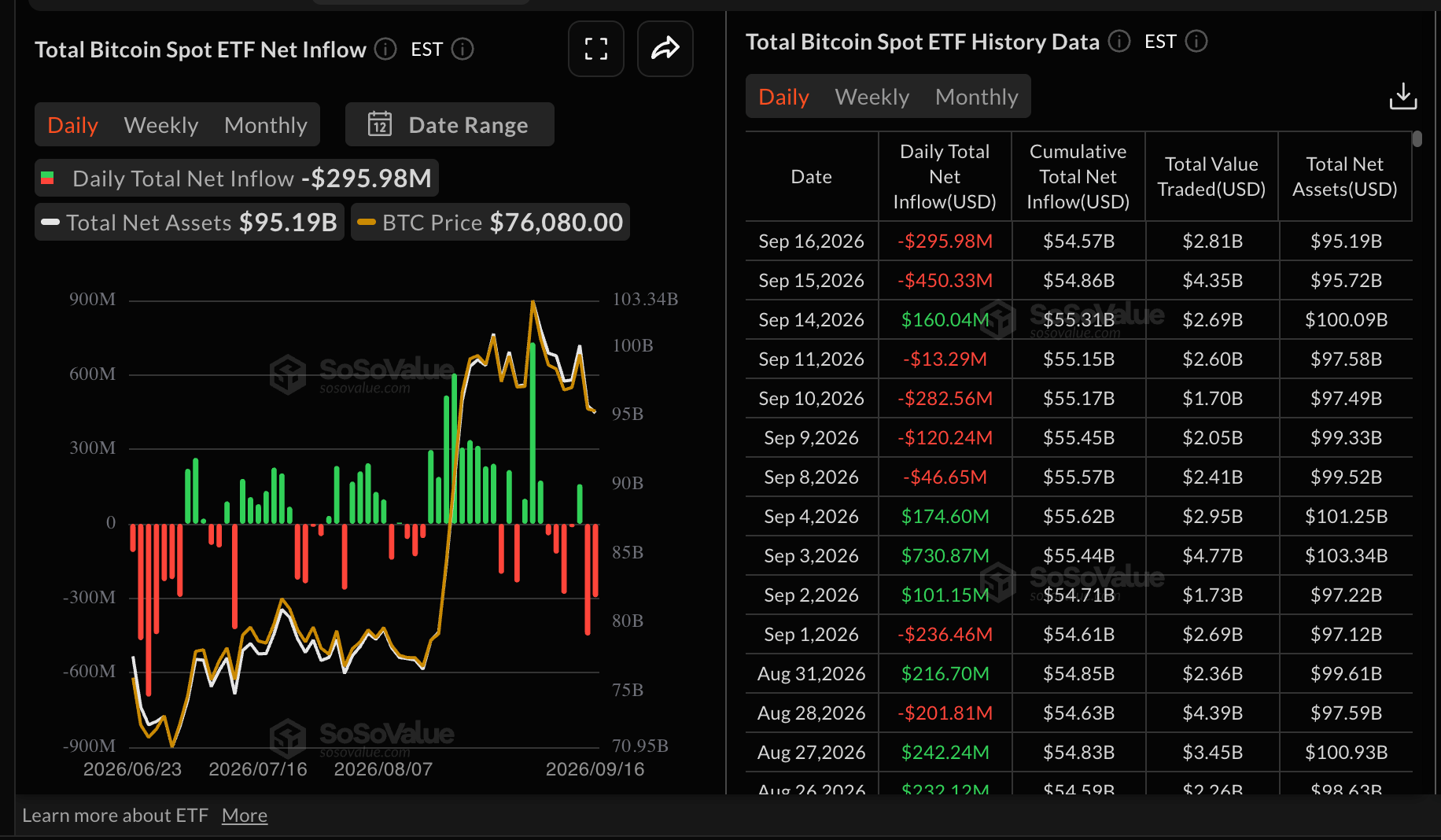 CryptoCrypto Today: Bitcoin, Ethereum, XRP stabilize defying macro headwinds and ETF outflowsil y a 2 heures · 6 min read
Sponsored
Ad
NewsLayerLearn more
NewsLayer Premium
Unlock deeper intelligence.
Ad-free reading, exclusive research, and real-time onchain insights.
Go Premium