
A remote desktop feature built into every modern Mac has become an open door for hackers, and Dutch cybersecurity officials say the break-in is already happening. Security researchers and government agencies are now warning users about an actively exploited macOS screen sharing vulnerability that lets attackers take control of a computer without ever needing a password, then quietly install cryptocurrency mining software on the machine.
breaking
Hackers exploit macOS screen sharing vulnerability to mine Monero
A remote desktop feature built into every modern Mac has become an open door for hackers, and Dutch cybersecurity officials say the break-in is already happening. Security researchers and government agencies are now warning users about…
The Cryptonomist
Publisher
Aug 16, 2026 at 12:09 PM UTC · 5 min de lecture
Key Signal
7.1/10 Vulnerability severity rating
Last Updated
il y a 2 mois
Traduction…
Key takeaways
- The flaw, tracked as CVE-2026-65400, carries a severity rating of 7.1 out of 10 and lets attackers execute code remotely without valid credentials.
- The Netherlands’ National Cyber Security Centrum (NCSC) confirmed active exploitation on systems where port 5900 was reachable from the internet.
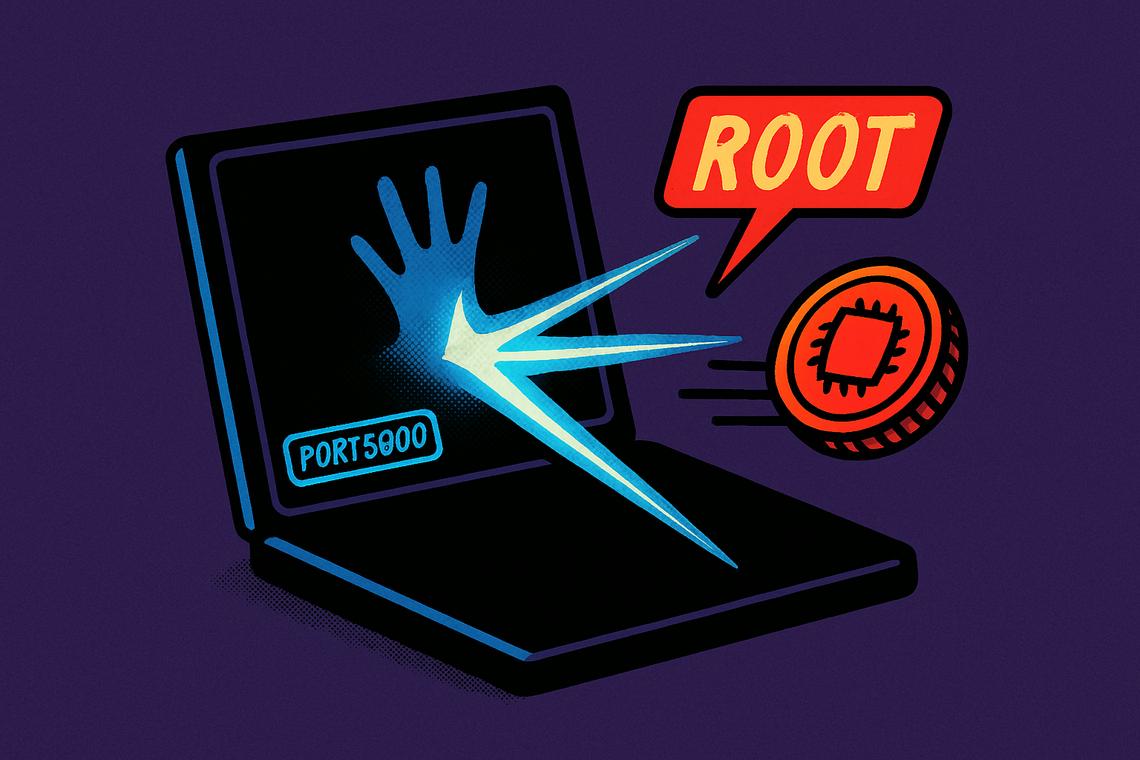
- Attackers who exploited the bug gained root access and installed Monero crypto miners on affected Macs.
- Apple patched the issue last week in macOS Tahoe 26.6.1, Sequoia 15.7.9, and Sonoma 14.8.9.
- Users can reduce risk by disabling Screen Sharing when it’s not in use and installing the latest security update.
High-Severity macOS Vulnerability Allows Remote Code Execution
CVE-2026-65400 is a bug that lets a remote attacker run malicious code on a Mac without needing a username or password. Apple’s built-in Screen Sharing feature, which uses the VNC protocol to let one computer view and control another over a network, is at the center of the problem.
Article Intelligence
Topics
Related Coverage
View all related
Sponsored
Ad
NewsLayerLearn more
NewsLayer Premium
Unlock deeper intelligence.
Ad-free reading, exclusive research, and real-time onchain insights.
Go Premium