


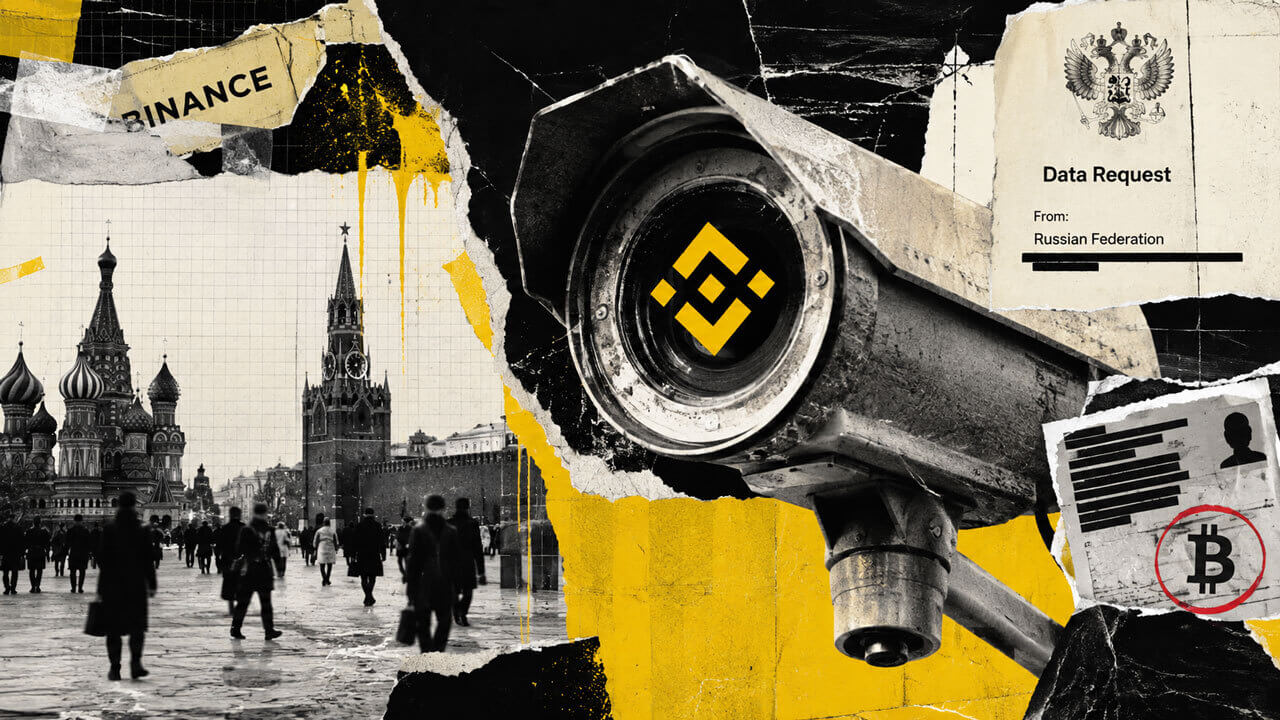
When Russian investigators detained IT specialist Yuri Belenkiy in September 2025, Binance had been formally out of Russia for almost two years. Its customer records, however, were still available.
How a former crypto user’s archived Binance data ended up in a foreign terrorism prosecution
When Russian investigators detained IT specialist Yuri Belenkiy in September 2025, Binance had been formally out of Russia for almost two years. Its customer records, however, were still available.
CryptoSlate
Publisher
Aug 22, 2026 at 3:05 PM UTC · 5 min de lecture
Key Signal
Over $700 Alleged crypto transfers
Entities
binance
Last Updated
il y a 21 heures
Traduction…
Law enforcement documents reviewed by Reuters show that Binance supplied personal and transaction data later incorporated into a Russian terrorism-financing case against Belenkiy.
The 49-year-old Russian passport holder, who also has a Bulgarian residence permit, is accused of sending more than $700 in crypto to Ukrainian recipients between January 2023 and March 2024. Russian authorities say the payments supported a group linked to the Azov military unit, which Moscow designates as a terrorist organization.
Belenkiy is in a Russian jail awaiting trial, and the allegations have not been adjudicated.
The case exposes a hard limit to what an exchange exit means for its former customers. A company can sell its local operation, stop onboarding users, and remove its staff. It may still retain years of passports, addresses, and account histories because financial law requires recordkeeping. Those files are available and accessible long after the commercial relationship that created them ends.
Withdrawing crypto might end the custody relationship, but copies of the identity and transaction data already submitted can stay behind.
Article Intelligence
Key Entities
Topics
Regulation Signal
in progressUpdated il y a 16 jours
SEC Crypto Asset Market Structure RulemakingRelated Coverage
 CryptoAs foreign investors dump $29 billion in Treasury bills, Washington pivots to stablecoin issuers to back US debtil y a une heure · 6 min read
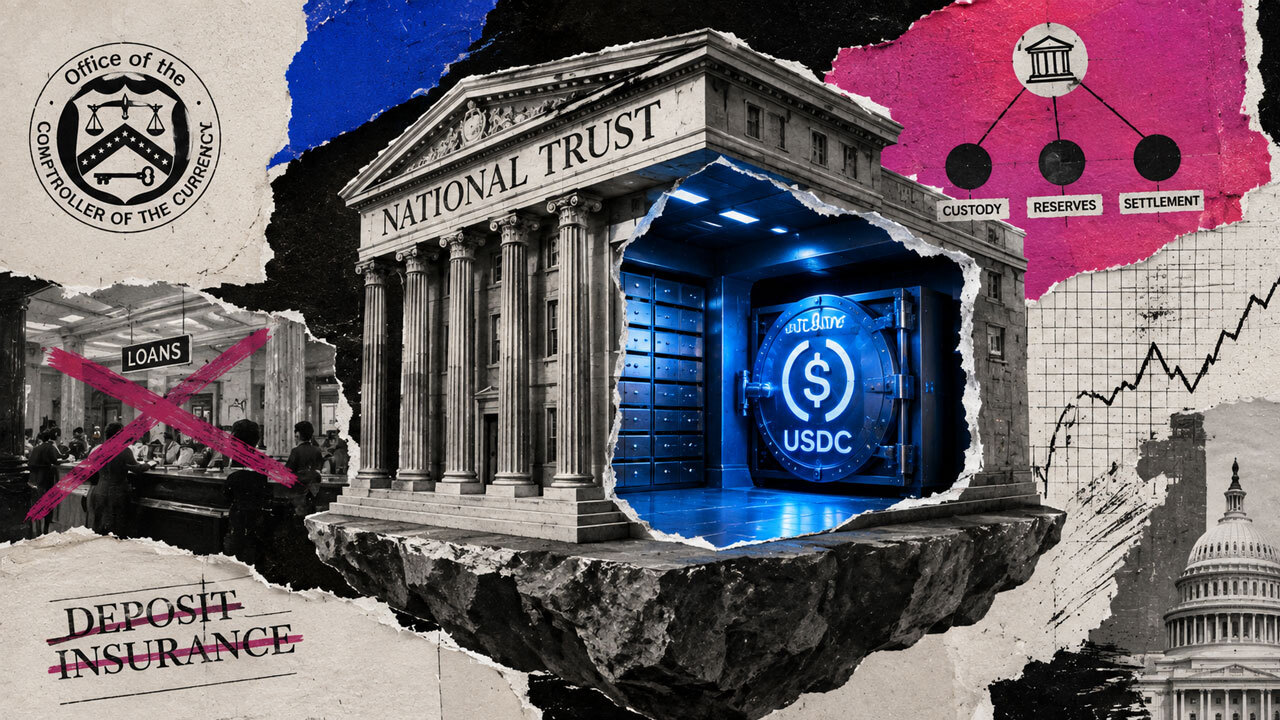 CryptoAmerica is creating a new class of crypto banks – but they aren’t really banksil y a 3 heures · 6 min read
 CryptoTrending stocks this week as markets pull back amid Treasury, Bitcoin moves (DJI:) (COMP:IND:)il y a 14 minutes · 1 min read
Sponsored
Ad
NewsLayerLearn more
NewsLayer Premium
Unlock deeper intelligence.
Ad-free reading, exclusive research, and real-time onchain insights.
Go Premium