
Sending a cryptocurrency reward manually is easy. Building software that can send thousands of tiny rewards without paying users twice, leaking an API key, losing track of failed payments, or draining your balance because somebody discovered an exploitable endpoint is a much more interesting problem.
How to Build Automatic Crypto Payouts with the FaucetPay API
Sending a cryptocurrency reward manually is easy. Building software that can send thousands of tiny rewards without paying users twice, leaking an API key, losing track of failed payments, or draining your balance because somebody…
HackerNoon
Publisher
Aug 30, 2026 at 2:35 PM UTC · 13 min de lecture
Entities
polygon
Last Updated
il y a une heure
Traduction…
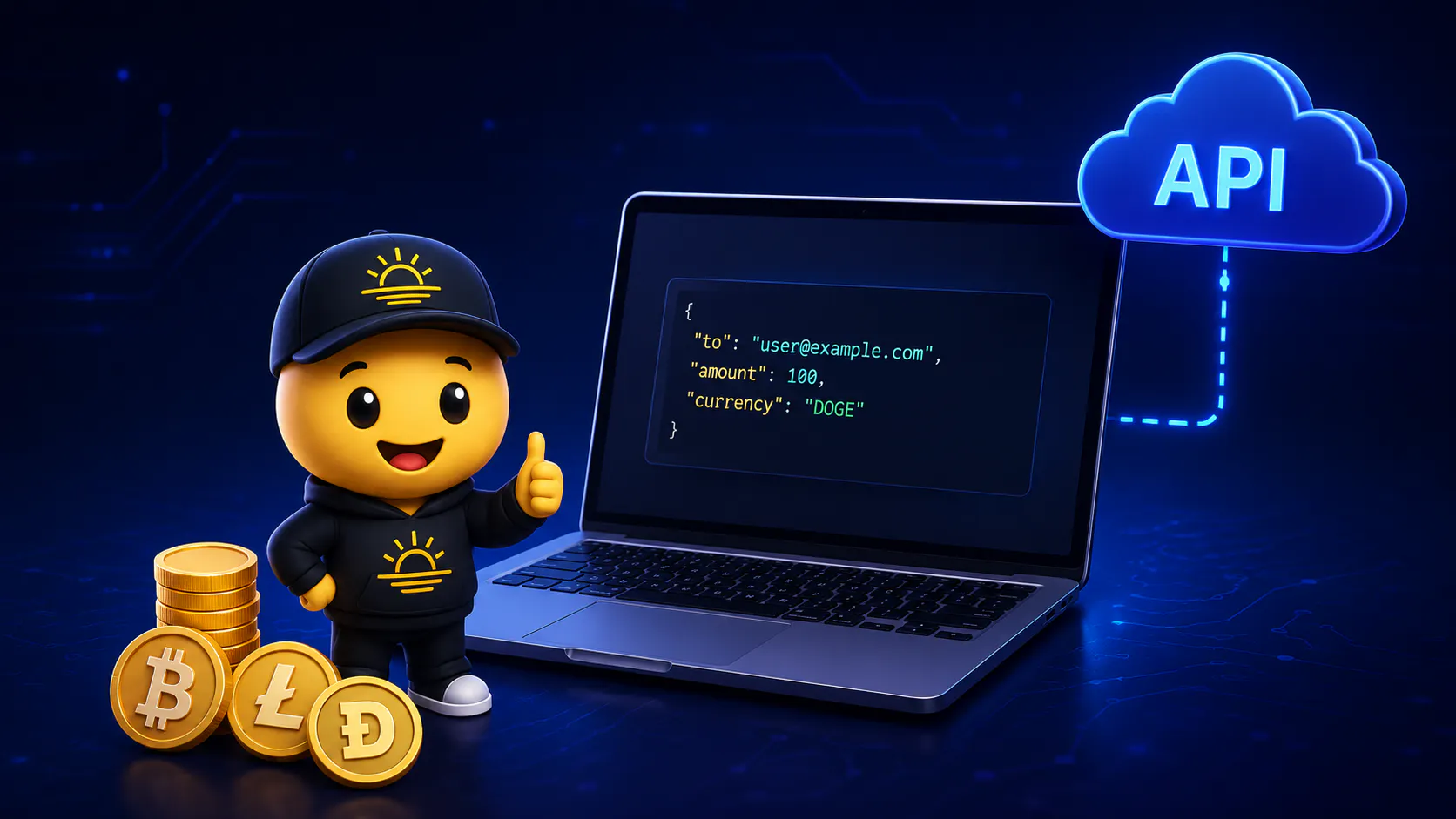
FaucetPay is particularly useful for this type of application because it is designed around small cryptocurrency payouts. Its current API v2 provides scoped API keys, REST endpoints for balances and payouts, automatic payout sending, idempotency protection, per-key payout caps, and signed webhooks.
In this tutorial, we will build the core of a real automatic payout system using:
- Node.js
- Express
- PostgreSQL
- FaucetPay API v2
- a background payout worker
- HMAC-verified webhooks
The architecture can be used for much more than a classic faucet. It can power:
- reward websites,
- games,
- loyalty systems,
- micro-task platforms,
- promotional campaigns,
- educational applications,
- referral systems,
- pay-per-action services.
The important part is that your application decides who deserves a reward, while FaucetPay handles the actual micropayment.
What We Are Going to Build
Our application will follow this flow:
User completes an action
        |
        v
Your backend verifies eligibility
        |
        v
Reward is stored in the database
        |
        v
Payout worker picks up the reward
        |
        v
FaucetPay API /send
        |
        v
User receives crypto
        |
        v
Webhook confirms success or failure
The important architectural decision is this: The browser never sends money directly.
Article Intelligence
Key Entities
Topics
Sponsored
Ad
NewsLayerLearn more
NewsLayer Premium
Unlock deeper intelligence.
Ad-free reading, exclusive research, and real-time onchain insights.
Go Premium