
Lorsque le Kazakhstan est devenu l'un des plus grands centres de minage de cryptomonnaies au monde il y a cinq ans, le boom a mis à rude épreuve le réseau électrique du pays, et la réponse du gouvernement a poussé la plupart des mineurs soit à quitter le pays, soit à passer à la clandestinité.
Le Kazakhstan propose une amnistie fiscale pour rapatrier des milliards en crypto et actifs numériques
Le Kazakhstan propose une amnistie fiscale pour rapatrier des milliards en crypto et actifs numériques Yahoo News Canada
Yahoo News Canada
Publisher
Aug 11, 2026 at 2:46 PM UTC · 5 min de lecture
Key Signal
8% Peak power consumption
Entities
cardano
Last Updated
il y a 2 mois
Aujourd'hui, le gouvernement kazakh cherche à tout rapatrier en offrant des avantages fiscaux et une sécurité juridique.
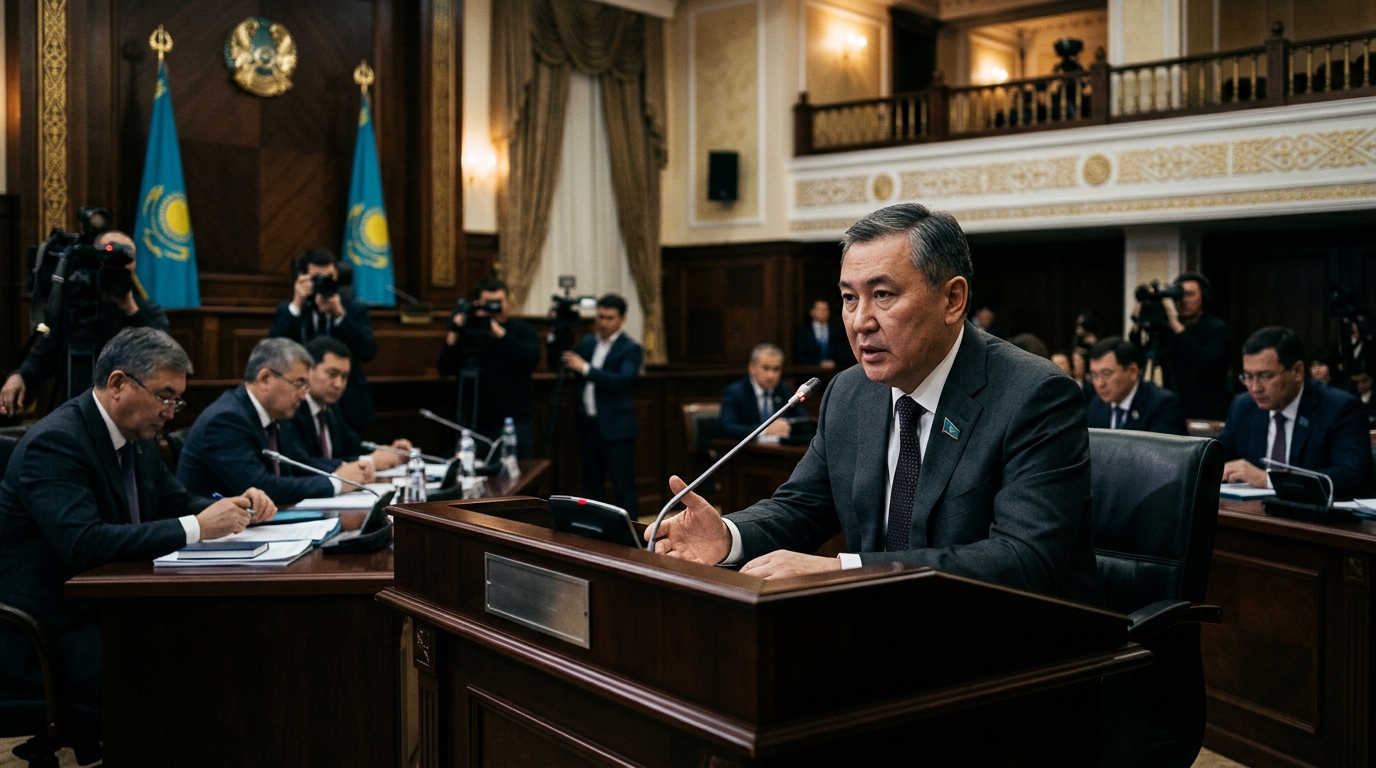
Le gouvernement kazakh a signé un décret visant à encourager les citoyens à déclarer leurs avoirs en cryptomonnaies, à les transférer sur des plateformes nationales réglementées et à intégrer les actifs numériques dans l'économie du pays.
Les autorités offrent aux investisseurs privés une exonération fiscale sur les revenus personnels provenant des transactions d'actifs numériques pendant trois ans, à condition que les actifs ne soient pas liés à la fraude, au blanchiment d'argent ou à des services de crypto non autorisés.
Cette décision a ouvert la voie pour faciliter l'activité des mineurs dans le pays — et pour que tout le monde puisse en profiter.
Le boom de la crypto interrompu
Le minage de cryptomonnaies utilise des ordinateurs puissants pour résoudre des problèmes mathématiques complexes afin de vérifier et d'ajouter des transactions à une blockchain — le registre sur lequel l'historique des transactions d'une cryptomonnaie est enregistré.
Market Context
Article Intelligence
Key Entities
Topics
Related Coverage
 CryptoMichael Saylor Unveils 'Bill of Digital Rights' as Strategy Teases More Bitcoin Buyingil y a 38 minutes · 5 min read
 CryptoMichael Saylor calls for ‘bill of digital rights,’ eyes $100 trillion crypto industryil y a 2 heures · 2 min read
 CryptoBest Crypto Presale 2026: The ECB Just Put Banks On Chain and Pepeto’s 100x Presale Could Be Nextil y a une heure · 1 min read
Sponsored
Ad
NewsLayerLearn more
NewsLayer Premium
Unlock deeper intelligence.
Ad-free reading, exclusive research, and real-time onchain insights.
Go Premium