


Sam Altman admits he’s been 'very wrong' on the timeline that he always says is the goal of OpenAI; says:
has spent three years telling everyone that the disruption was almost here. On David Senra's podcast, the
The Times of India
Publisher
Aug 24, 2026 at 5:26 AM UTC · Updated il y a 7 heures · 2 min de lecture
Traduction…
Sam Altman
has spent three years telling everyone that the disruption was almost here. On David Senra's podcast, the
OpenAI
chief executive finally said the quiet part out loud: the clock he keeps setting has been wrong. "I thought when we got to GPT-4, which was back in 2023, that very quickly after that there was going to be much more disruption, software businesses up for grabs right away, than it turned out to be," he said.
What he blames is not the technology. It is us. "I think I was wrong about a few things, but one in terms of the speed: the economy just has so much inertia," Altman said, pointing out that people keep buying from the same vendors and using the same tools in the same way. He framed that stubbornness as good news, saying it will make the transition "smoother and slower" and that he is grateful for it. Then came the line that will follow him around: "But it means we've all been too ambitious on timelines. Even with this incredible technology, society and the economy will adapt more slowly."
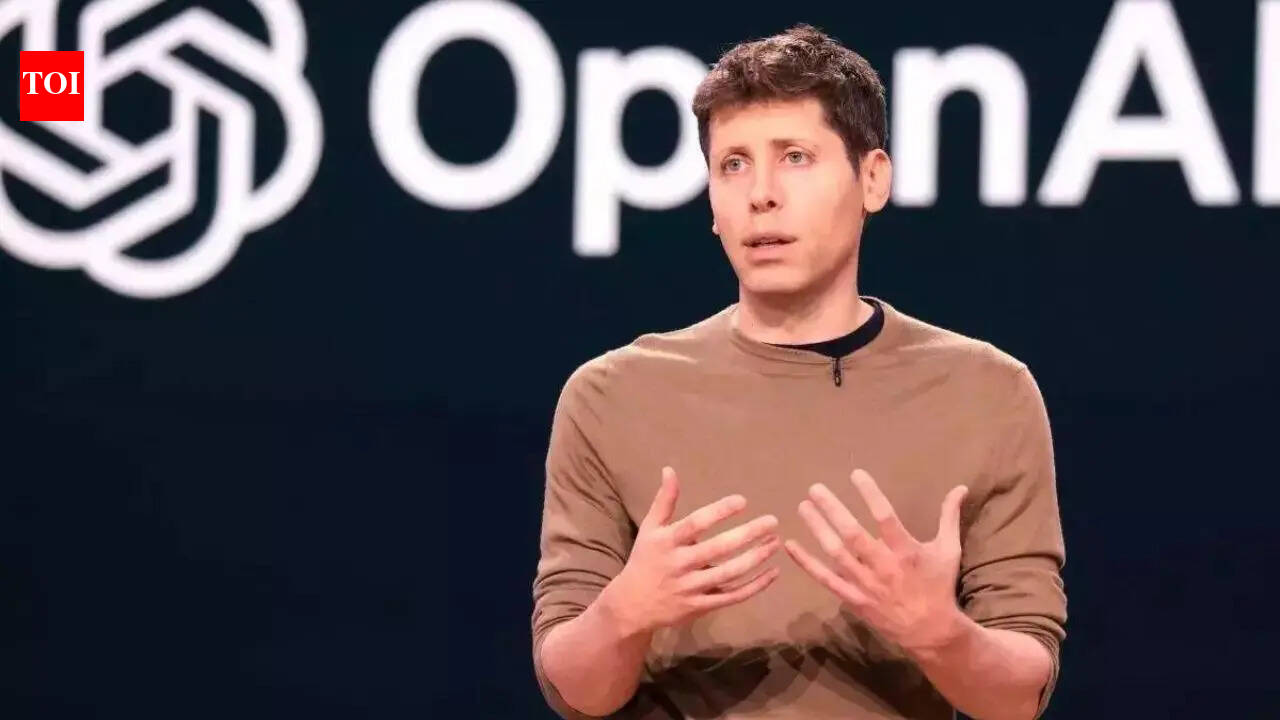
Sam Altman's GPT-4 prediction did not survive contact with the real economy
The specificity here is what stings. In his January 2025 blog post Reflections, Altman wrote that OpenAI was "now confident we know how to build AGI as we have traditionally understood it," and predicted that 2025 "may see the first AI agents 'join the workforce' and materially change the output of companies."
Article Intelligence
Topics
Sponsored
Ad
NewsLayerLearn more
NewsLayer Premium
Unlock deeper intelligence.
Ad-free reading, exclusive research, and real-time onchain insights.
Go Premium