
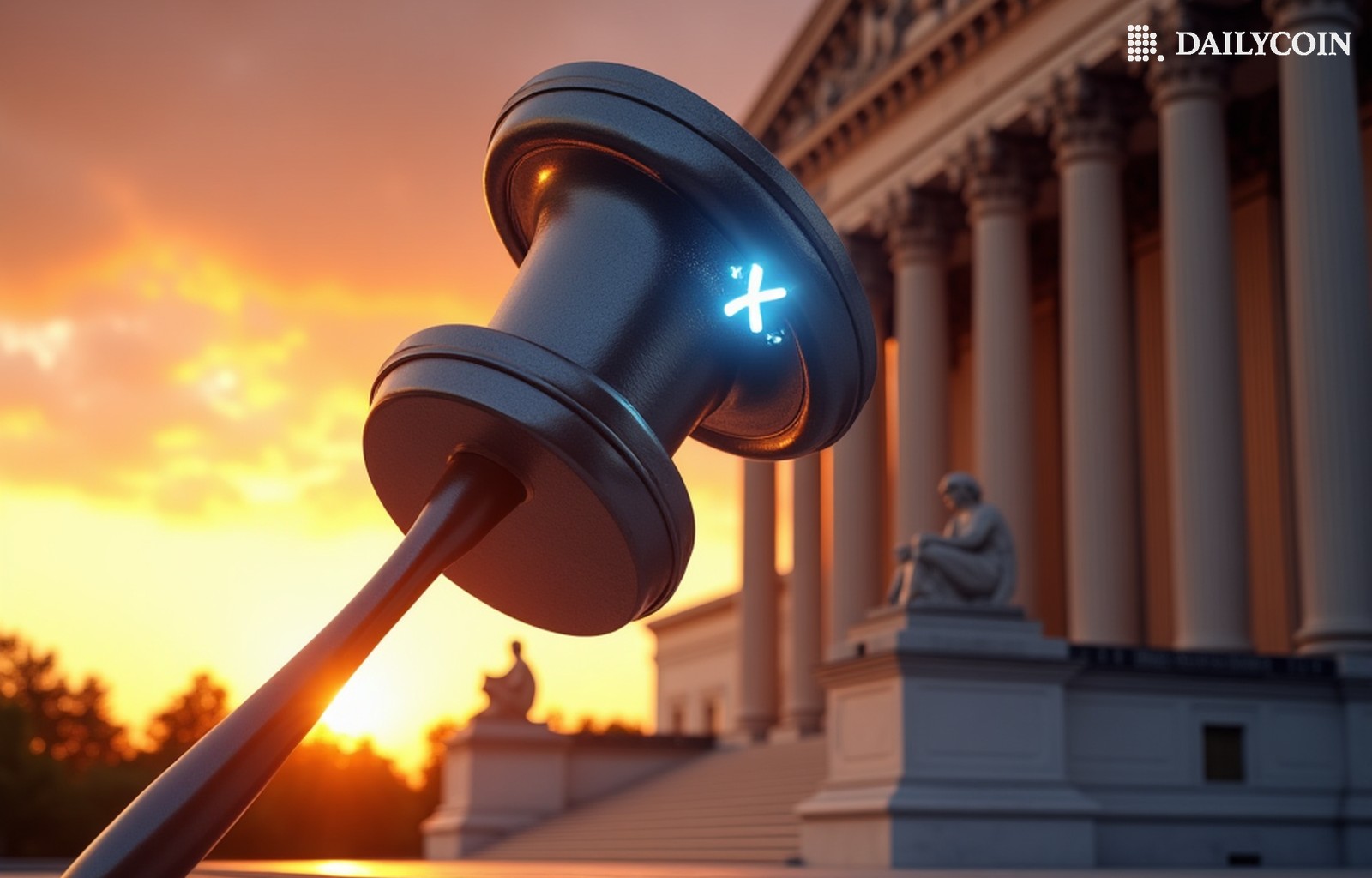
Fire Hustle présente une prochaine réunion de la U.S. Securities and Exchange Commission comme un catalyseur réglementaire potentiellement important pour le XRP, affirmant que des règles plus claires pourraient arriver même si le Congrès retarde le Crypto Clarity Act.
La proposition crypto de la SEC met les bulls XRP en état d'alerte
La proposition crypto de la SEC met les bulls XRP en état d'alerte DailyCoin
DailyCoin
Publisher
Aug 12, 2026 at 2:30 PM UTC · 2 min de lecture
Entities
xrp
Last Updated
il y a 2 mois
La vidéo YouTube pointe vers une réunion de la SEC prévue pour le vendredi 14 août à 10 heures, heure de l'Est, aux côtés des commentaires de la Commodity Futures Trading Commission sur l'avancement de la réglementation crypto.
Sponsorisé
Marchés de prédiction crypto
18+ · Le jeu comporte des risques. Jouez de manière responsable.
Summer, l'animatrice de l'émission Fire Hustle, soutient que ces développements pourraient améliorer l'environnement pour les projets crypto américains cherchant à lever des fonds, bien que les objectifs de prix de la vidéo de 5 $, 7 $ et 10 $ pour le XRP restent spéculatifs.
L'ordre du jour de la SEC pourrait ouvrir un nouveau processus de réglementation crypto
Selon l'épisode, la SEC envisagera de publier une proposition de version pour un régime d'offre sur mesure couvrant certains contrats d'investissement impliquant des crypto-actifs. La proposition est décrite comme faisant partie d'un effort plus large « Project Crypto » et, si elle est approuvée, entamerait un processus de commentaires publics plutôt que de créer immédiatement des règles contraignantes.
Market Context
XRP
XRP
$1.4
+1.03% (24H)
Market Cap
$88.5B
Circulating Supply
63.1B XRP
24H Volume
$964M
24H High
$1.41
Article Intelligence
Key Entities
Regulation Signal
in progressUpdated il y a 2 mois
SEC Crypto Asset Market Structure RulemakingRelated Coverage
 PolicyRipple Billionaire Backs Candidates and PACs to Shape Crypto Policyil y a 3 heures · 4 min read
 CryptoA Decade-Old Bug That Could Have Minted Unlimited XRP: Is the 100 Billion Cap Safe Now?il y a 4 heures · 4 min read
 CryptoAlex Mashinsky banned from crypto industry, mus...il y a 3 heures · 1 min read
Sponsored
Ad
NewsLayerLearn more
NewsLayer Premium
Unlock deeper intelligence.
Ad-free reading, exclusive research, and real-time onchain insights.
Go Premium