If passed, the Clarity Act would establish separate federal rules for cryptocurrencies and provide companies with a clearer legal framework for operating. At the same time, the delayed Senate vote has reduced the chances of the bill advancing quickly.
A shift in the SEC’s approach to cryptocurrencies
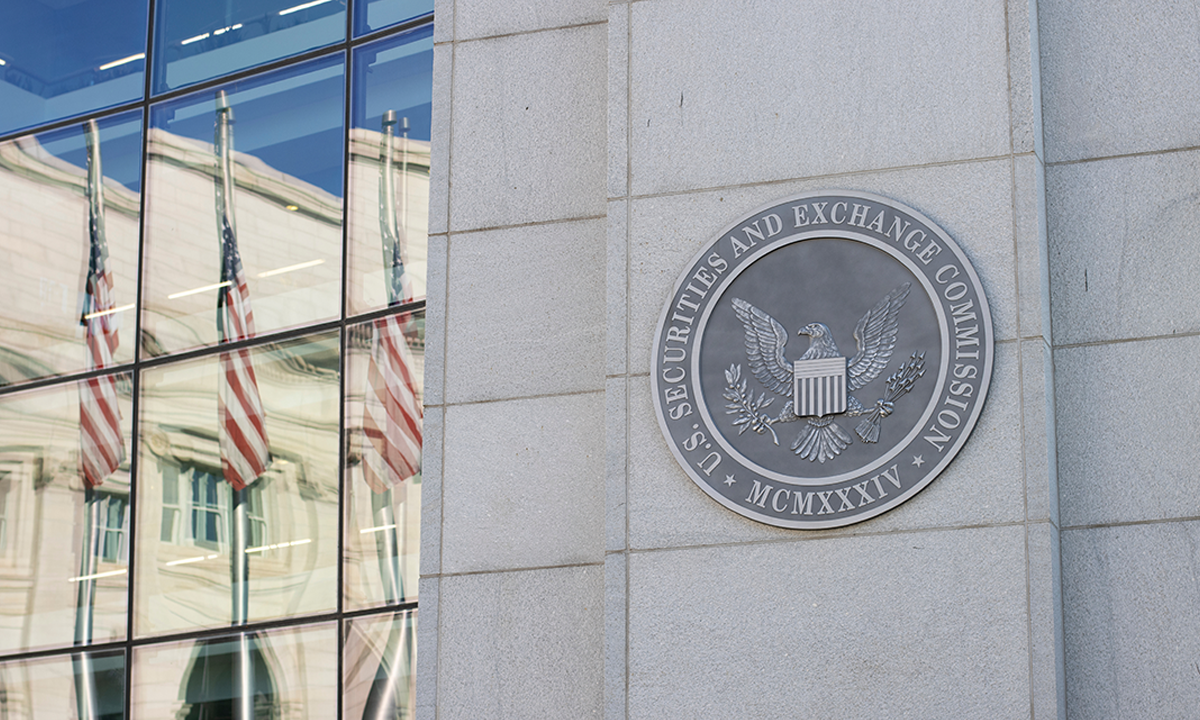
Under the leadership of Paul Atkins, the SEC has changed its approach to regulating digital assets. The Commission unveiled broad plans to update capital market rules to account for tokens and blockchain-based trading.
The SEC’s previous Democratic leadership filed lawsuits against a number of cryptocurrency companies. The regulator argued that some tokens were effectively securities and that their issuers therefore had to comply with registration and disclosure requirements.
Representatives of the crypto industry insist that most tokens are, by their nature, closer to commodities than securities. Paul Atkins has supported this position.
In March, he said that the SEC could propose “safe harbor” rules that would simplify token sales and fundraising. The regulator was also considering a special exemption for startups that would allow crypto entrepreneurs to raise a specified amount of money or operate for a limited period without being subject to the full set of SEC rules.
Crypto reform under the second Trump administration
Trump, who courted the cryptocurrency community during his election campaign, made digital asset regulatory reform one of the priorities of his second administration. The Trump family has also profited from its own token.
Last year, the SEC withdrew strict guidance on accounting for crypto assets. The regulator also dropped lawsuits against Coinbase, Binance, and other companies that had previously been accused of failing to comply with the agency’s requirements.
Separately, the SEC is working on an “innovation exemption.” In Paul Atkins’s vision, it would allow companies to test new business models involving digital assets, including blockchain-based stocks, without meeting all SEC disclosure and investor-protection requirements.
The cancellation of the meeting means that the anticipated decisions to ease rules for cryptocurrency startups have been postponed indefinitely.