


Alors que le Trésor britannique et la FCA finalisent les cadres pour les actifs numériques, une enquête parlementaire exige que les banques de premier rang justifient leurs politiques de debanking généralisées. Les exclusions de comptes systémiques obligent les entreprises natives de la crypto et les prestataires de services de paiement (PSP) réglementés à s'appuyer sur des circuits secondaires offshore, exposant les architectures de paiement transfrontalières à des risques opérationnels et de contrepartie.
Enquête de l'APPG Crypto au Royaume-Uni : accès bancaire, dérisquage et fuite des capitaux
Enquête de l'APPG Crypto au Royaume-Uni : accès bancaire, dérisquage et fuite des capitaux Bobsguide
Bobsguide
Publisher
Aug 26, 2026 at 6:08 AM UTC · 3 min de lecture
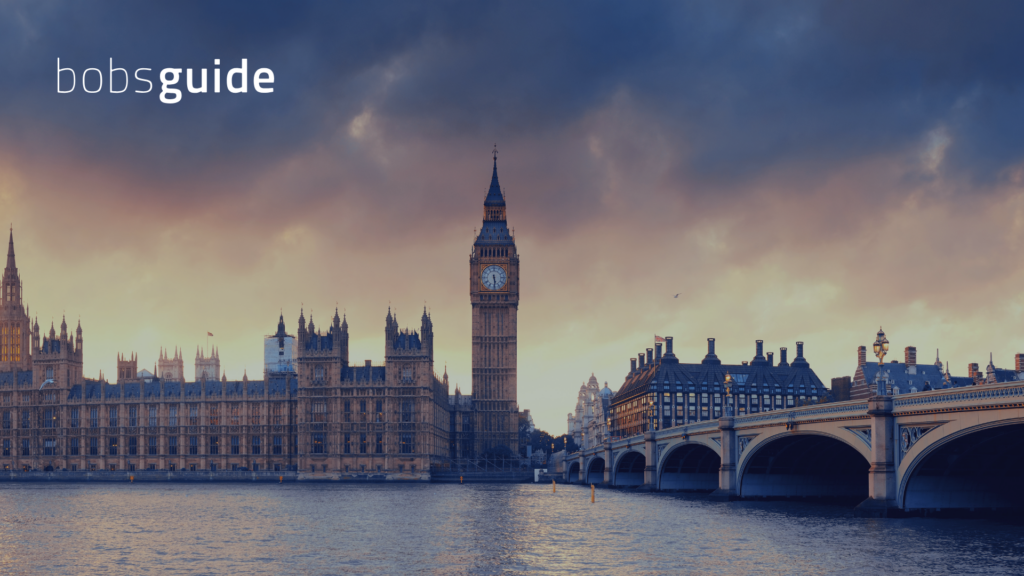
Le Groupe parlementaire multipartite britannique (APPG) sur la crypto et les actifs numériques a lancé une enquête formelle exigeant que les banques de premier rang justifient les politiques de dérisquage généralisées qui menacent de pousser l'innovation fintech et les capitaux vers l'étranger. Co-présidée par Lord Vaizey of Didcot et Gurinder Singh Josan MP, l'enquête aborde les obstacles persistants auxquels sont confrontés les entreprises natives de la crypto, les prestataires de services de paiement (PSP) et les plateformes institutionnelles d'actifs numériques lors de l'accès aux rails fiduciaires de base.
Alors que le Trésor britannique et la Financial Conduct Authority (FCA) finalisent le régime réglementaire national de la crypto, les refus de comptes systémiques et les blocages de transactions par les principales banques de compensation menacent de compromettre l'ambition de Londres de devenir un hub mondial des actifs numériques.
Article Intelligence
Topics
Related Coverage
 CryptoSmarter Web Company confirms executive exit while reaffirming Bitcoin treasury stanceil y a 17 minutes · 1 min read
 CryptoBitcoin Whales Have Moved $5B into BlackRock ETFs in Tax-Deferred Swapsil y a 21 minutes · 2 min read
 CryptoSouth Korea’s Crypto Tax Delay Petition Surpasses 5,000 Signatures on National Assembly Platformil y a 2 heures · 2 min read
Sponsored
Ad
NewsLayerLearn more
NewsLayer Premium
Unlock deeper intelligence.
Ad-free reading, exclusive research, and real-time onchain insights.
Go Premium