

Trump nominates pro-crypto SEC successor, raising question over U.S. digital asset rules
U.S. President Donald Trump has nominated 4 candidates to fill vacancies at the Securities and Exchange Commission and the Commodity Futures Trading Commission. They include a successor to former commissioner Hester Peirce, a former…
디지털투데이
Publisher
Nov 13, 2026 at 4:47 AM UTC · Updated il y a 10 heures · 2 min de lecture
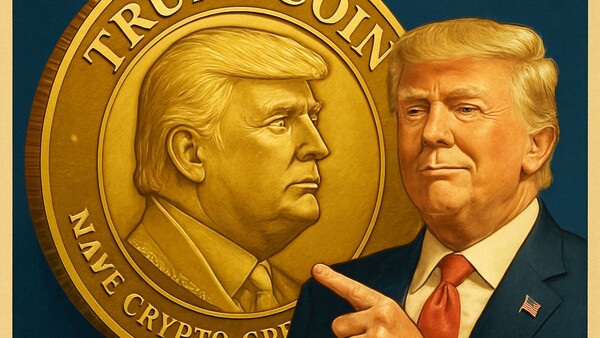
U.S. President Donald Trump has nominated 4 candidates to fill vacancies at the Securities and Exchange Commission and the Commodity Futures Trading Commission. They include a successor to former commissioner Hester Peirce, a former CFTC commissioner and figures linked to the CLARITY Act.
Cointelegraph, a blockchain outlet, reported on Nov. 13 that the White House announced 2 nominees each for the SEC and the CFTC on Nov. 12. The two agencies are key watchdogs that determine the direction of U.S. cryptocurrency regulation. All 4 nominees must be confirmed by the Senate to be appointed.
The selections are expected to ease some of the vacancies at the two agencies. The SEC currently has only 2 of its 5 seats filled, and the CFTC has only Chair Michael Selig (마이클 셀리그) in office.
For SEC commissioner, Trump nominated Republican Steven Levine (스티븐 레빈) and Democrat Kristin Johnson (크리스틴 존슨). Levine would succeed former commissioner Hester Peirce (헤스터 피어스), who left the SEC in October, with a term running through June 5, 2030. Peirce led the SEC crypto task force and has been a leading pro-cryptocurrency figure calling for greater clarity in digital asset regulation. By contrast, Levine's views on cryptocurrency regulation have not yet clearly emerged in public.
Article Intelligence
Regulation Signal
in progressUpdated il y a 3 mois
SEC Crypto Asset Market Structure RulemakingRelated Coverage
 PolicyPresident Trump Taps Two Democrats in Bipartisan Slate of SEC and CFTC Nominees as Both Agencies Run Short-Handedil y a 2 heures · 3 min read
 PolicyWhite House nominates four crypto-savvy regulators for CFTC and SEC seatsil y a 2 heures · 2 min read
 CryptoCrypto exchanges are lining up to register under new CFTC rules, chair saysil y a 2 heures · 1 min read
Sponsored
Ad
NewsLayer Premium
Unlock deeper intelligence.
Ad-free reading, exclusive research, and real-time onchain insights.
Go Premium