


United States: DOJ and SEC cryptocurrency policy and enforcement
This article addresses recent policy and enforcement actions by US regulators related to the cryptocurrency industry.
Global Investigations Review
Publisher
Aug 15, 2026 at 3:25 AM UTC · Updated il y a 5 jours · 19 min de lecture
Traduction…
In summary
This article addresses recent policy and enforcement actions by US regulators related to the cryptocurrency industry.
Discussion points
- Introduction to cryptocurrency enforcement environment
- US Department of Justice enforcement
- US Securities and Exchange Commission enforcement
Referenced in this article
The advent of cryptocurrency and the rapid expansion of its adoption has resulted in a quickly evolving regulatory and enforcement landscape in the United States. Several government agencies play a role in regulating the purchase, sale, maintenance and transmission of cryptocurrency, including the Department of Justice (DOJ), the Securities and Exchange Commission (SEC), the Commodities and Futures Trading Commission (CFTC), the Financial Crimes Enforcement Network (FinCEN), the Office of Foreign Assets Control (OFAC), among others. It is often unclear whether digital assets neatly fit into traditional regulatory categories such as those for “commodities” or “securities”, and federal regulators have sometimes been accused of “regulating by enforcement”.
The change in US administrations has signalled a change in the regulation and enforcement of digital assets. President Trump’s Administration has identified a number of policy objectives and announced regulatory and enforcement guidance on multiple issues, including related to cryptocurrency. Against this backdrop, an understanding of the current enforcement landscape for cryptocurrency necessarily entails an understanding of the current administration’s stated priorities, together with recent enforcement actions and decisions around prior enforcement actions. While a number of government actors regulate cryptocurrency, this article focuses on two of the most prominent – the DOJ and the SEC.
Article Intelligence
Regulation Signal
in progressUpdated il y a 13 jours
SEC Crypto Asset Market Structure RulemakingRelated Coverage
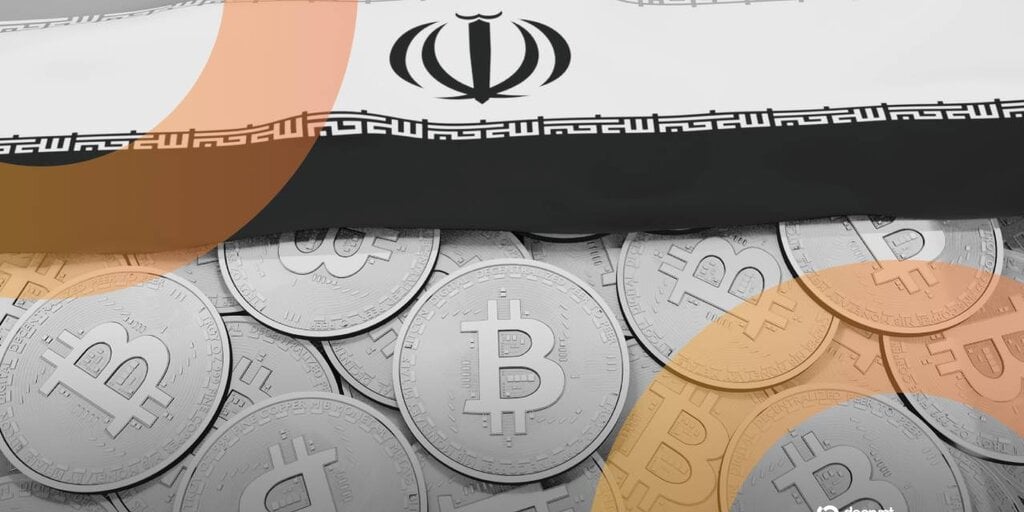 CryptoIranian Hackers Tied to $6 Million Bitcoin Extortion Charged in Massive Cyber Campaignil y a 17 minutes · 2 min read
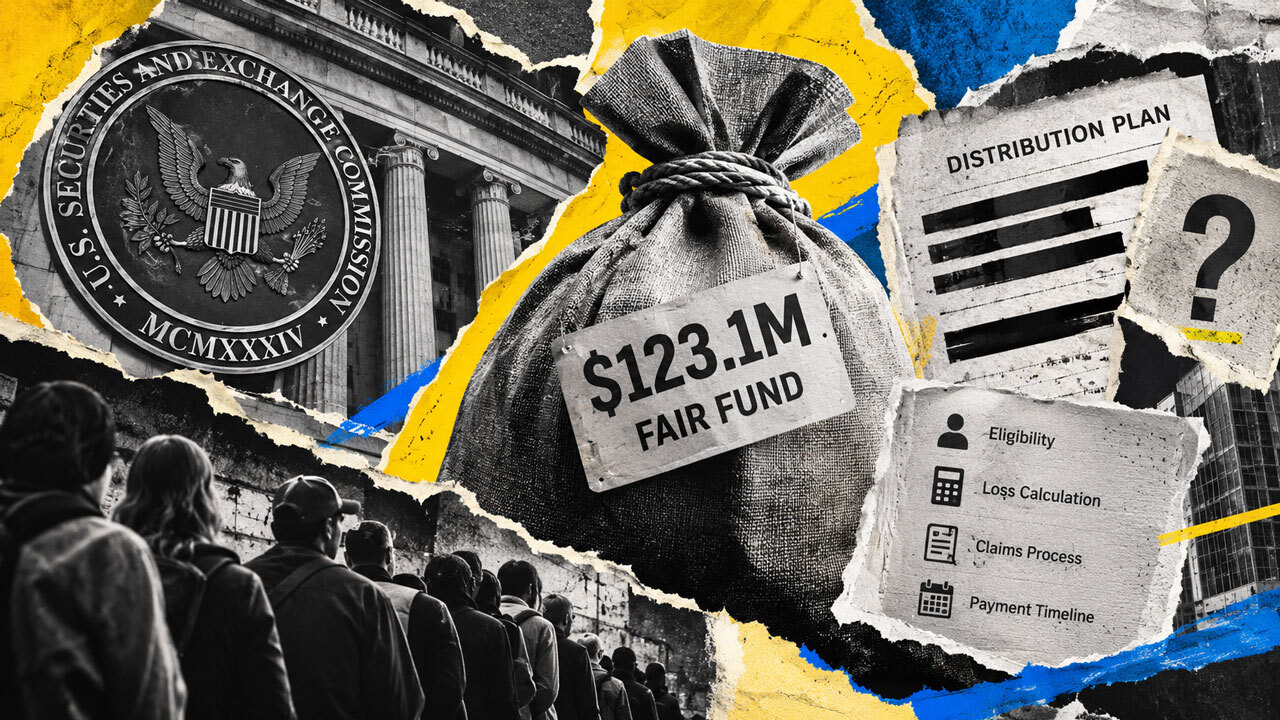 CryptoSEC faces Aug. 20 deadline to unlock $123 million recovery fund for Terra investorsil y a 29 minutes · 2 min read
 CryptoBitcoin surges above $70K as Trump backs Clarity Act, Treasury ramps up buybacksil y a une heure · 4 min read
Sponsored
Ad
NewsLayerLearn more
NewsLayer Premium
Unlock deeper intelligence.
Ad-free reading, exclusive research, and real-time onchain insights.
Go Premium