


US Crypto Regulation Advances as Treasury Proposes New GENIUS Act Rules
The latest crypto regulation news highlights a major move by the U.S. Treasury, which has proposed new GENIUS Act rules defining when stablecoin activity requires federal or state licensing. The Aug. 17 proposal adds another step to…
CryptoRank
Publisher
Aug 18, 2026 at 9:26 PM UTC · Updated il y a 2 jours · 3 min de lecture
Traduction…
- Crypto regulation advances as Treasury proposes new GENIUS Act definitions.
- U.S. licensing rules are expected to take effect on Jan. 18, 2027.
- The proposal also addresses stablecoin sales to U.S. customers.
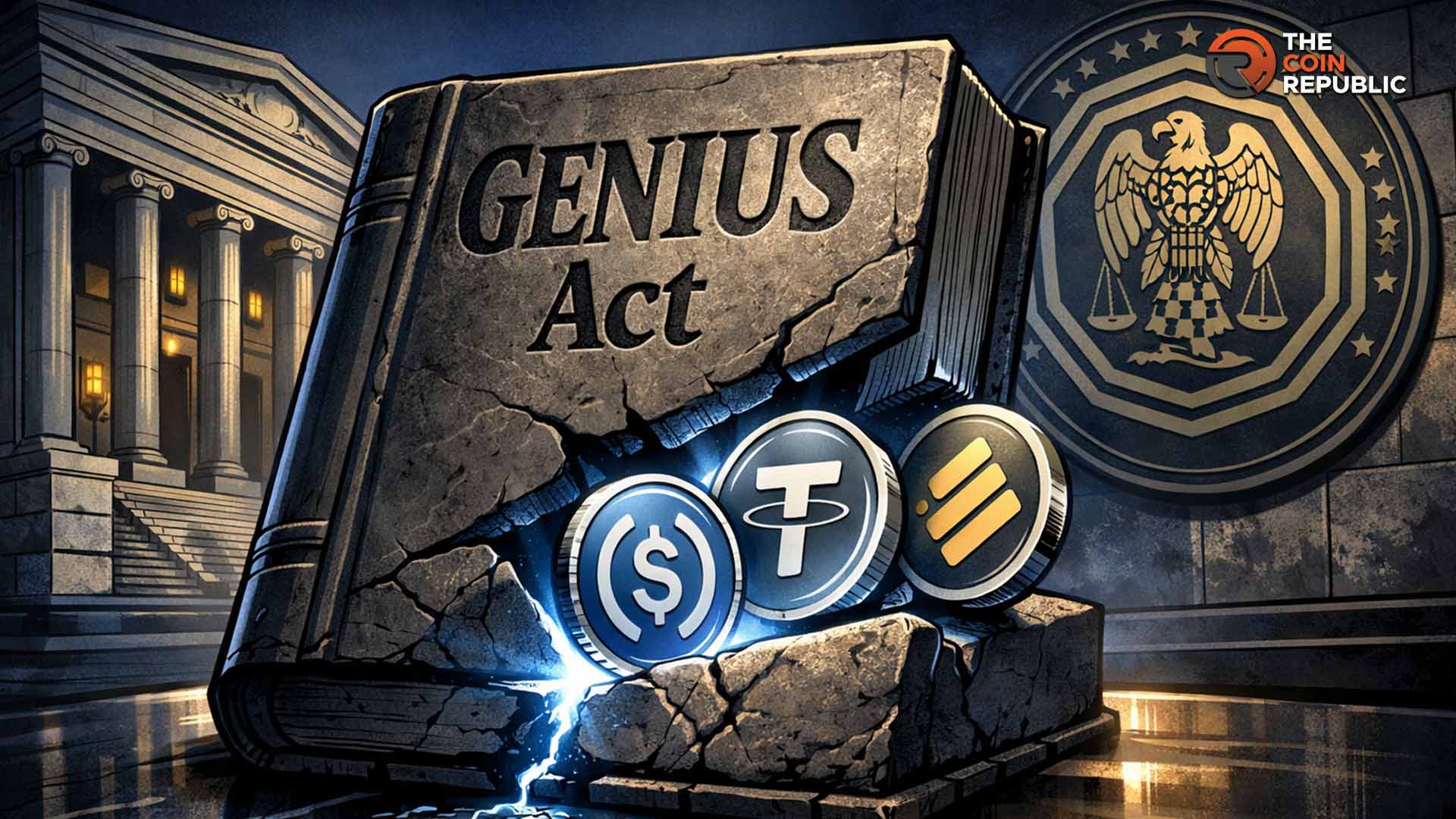
The latest crypto regulation news highlights a major move by the U.S. Treasury, which has proposed new GENIUS Act rules defining when stablecoin activity requires federal or state licensing. The Aug. 17 proposal adds another step to ongoing efforts to regulate crypto under the federal stablecoin framework.
Treasury also seeks clearer standards covering stablecoins issued, offered, or sold to people within the United States.
Crypto Regulation Focuses on Stablecoin Licensing
Beginning Jan. 18, 2027, companies generally cannot issue payment stablecoins domestically without an appropriate federal or state license. Treasury identifies that date as the expected effective date of the GENIUS Act.
Therefore, the proposed rule defines when an issuer operates within the United States. That distinction determines when companies must obtain authorization under the GENIUS Act.
Meanwhile, the Treasury also addresses the distribution of stablecoins by digital asset service providers. The agency proposes definitions covering offers and sales made to people within the United States.
Article Intelligence
Related Coverage
 CryptoBitcoin surges above $70K as Trump backs Clarity Act, Treasury ramps up buybacksil y a 2 heures · 4 min read
 CryptoBitcoin (BTC) price analysis: $180,000 targeted on Treasury buybacksil y a 2 heures · 1 min read
 CryptoSEC lays groundwork for crypto issuers to raise flexible capital with new rules proposalil y a 2 heures · 4 min read
Sponsored
Ad
NewsLayerLearn more
NewsLayer Premium
Unlock deeper intelligence.
Ad-free reading, exclusive research, and real-time onchain insights.
Go Premium