
On September 4, 2026, Revolut received conditional approval from the U.S. Office of the Comptroller of the Currency (OCC) for a national bank charter, a move that could reshape the crypto banking landscape for businesses and institutions. For global companies and DAOs that have struggled to access reliable banking services, a major fintech breaching the traditional bank perimeter with a crypto mandate is significant. But the charter's real impact depends on how it intersects with the purpose-built neobanking platforms that already serve borderless, crypto-native organizations.
What Revolut's US bank charter means for crypto banking
The article examines what Revolut obtaining a US bank charter could mean for crypto banking. It focuses on the potential implications for crypto-related financial services in the United States.
OneSafe
Publisher
Sep 5, 2026 at 1:27 AM UTC · 8 min de lecture

Key Signal
40M+ Revolut global users
Last Updated
il y a 4 heures
Traduction…
Points Clés
- Revolut's US bank charter is the central development discussed.
- The story considers possible effects on crypto banking services.
- The excerpt does not specify the charter's terms, timing or concrete crypto product changes.
Table of Contents
What just happened: Revolut's OCC green light
The conditional approval and its immediate meaning
Revolut, the London-based fintech with over 40 million users globally, secured the OCC's conditional approval to operate a national bank in the United States, according to a report by Pluang on September 4, 2026. While the full charter is not yet issued, the approval allows Revolut to begin building out a banking entity that can offer traditional services—checking, savings, lending—alongside crypto trading and custody. This is the first time a large, consumer-facing fintech has come this close to a full U.S. bank charter with an explicit crypto banking mandate.
Article Intelligence
Topics
Related Coverage
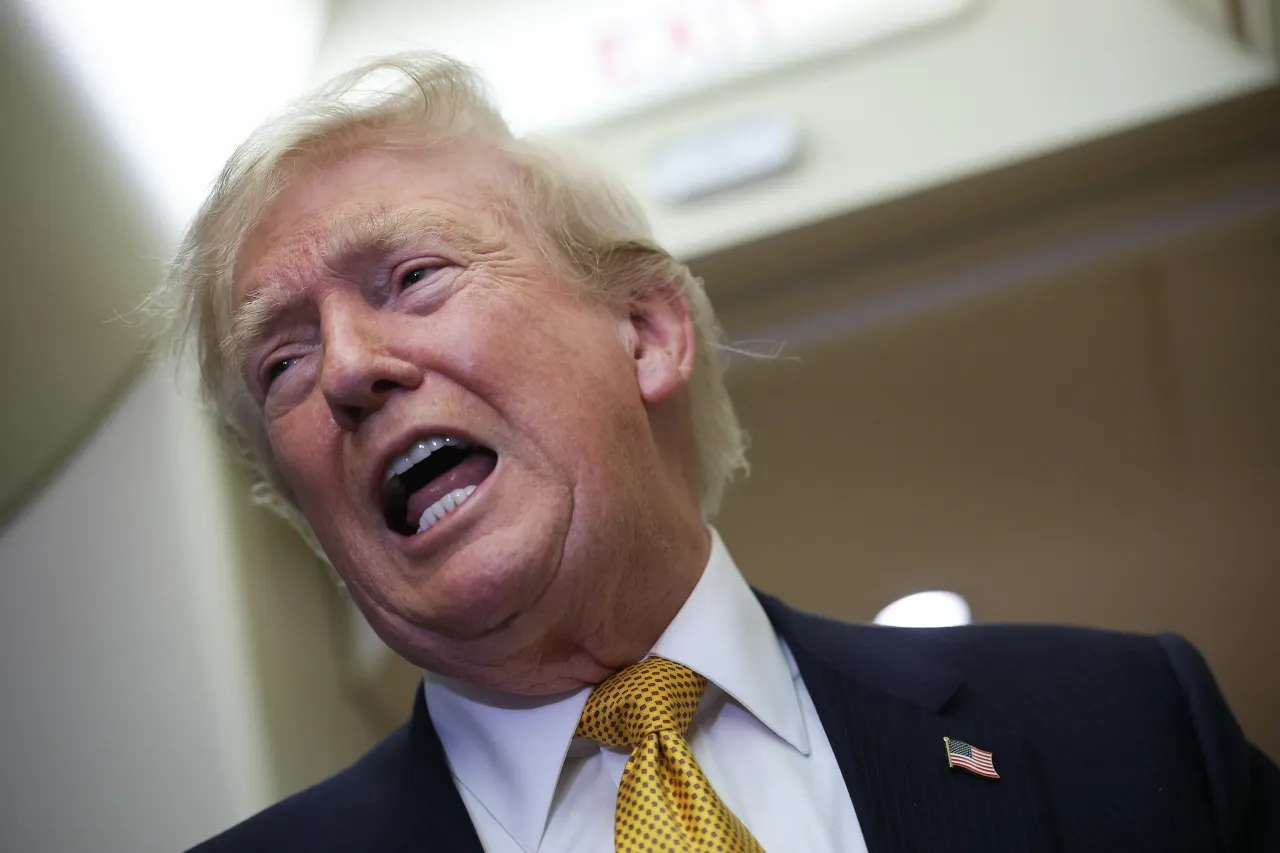 PolicyThe White House Is Coming To The Table Over The One Thing Blocking Crypto's Biggest Billil y a 2 heures · 3 min read
 PolicyWashington State Seeks $1.03M Fine, Ban for Crypto Kiosk Firmil y a 2 heures · 3 min read
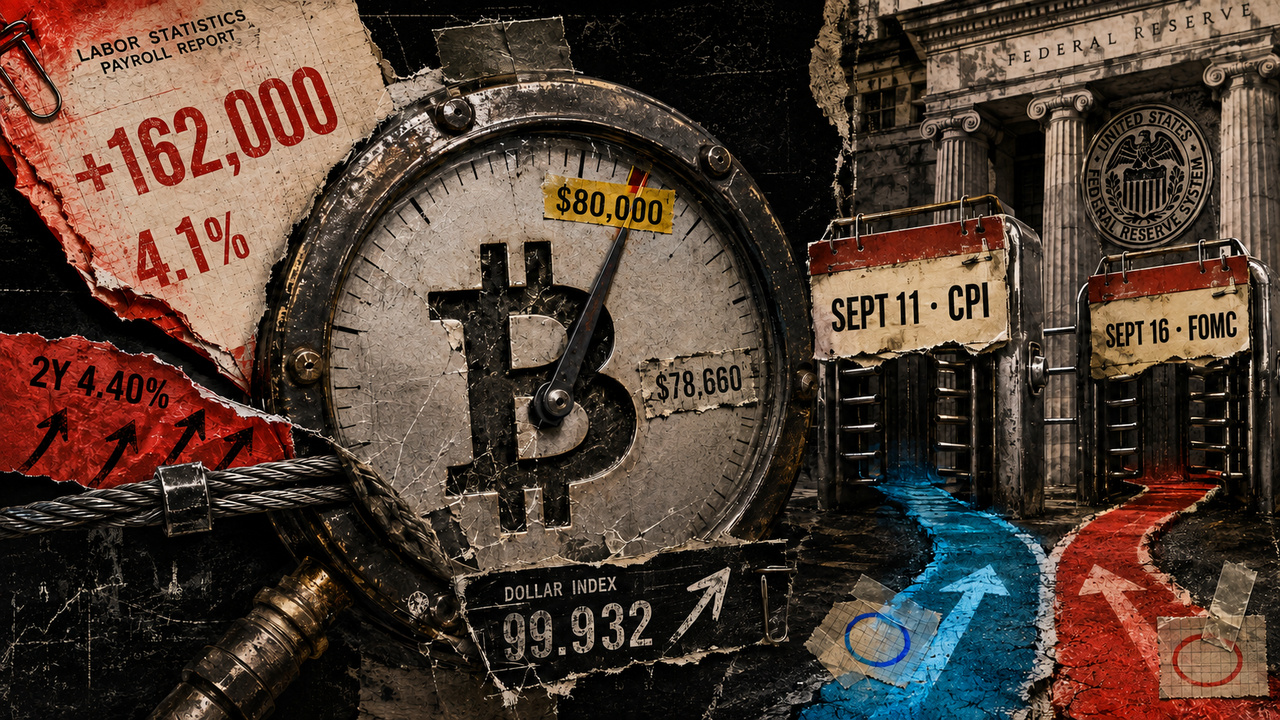 CryptoBitcoin dips below $80,000 as a hot August jobs report shifts Fed policy expectationsil y a 2 heures · 3 min read
Sponsored
Ad
NewsLayerLearn more
NewsLayer Premium
Unlock deeper intelligence.
Ad-free reading, exclusive research, and real-time onchain insights.
Go Premium