

WiMi proposes a quantum AI system built around three-qubit interactions and plans real-device tests
BEIJING, Aug. 21, 2026 /PRNewswire/ -- WiMi Hologram Cloud Inc. (NASDAQ: WiMi) ("WiMi" or the "Company"), a leading global Hologram Augmented Reality ("AR") Technology provider, proposes a cutting-edge quantum machine learning…
Stock Titan
Publisher
Aug 21, 2026 at 2:40 PM UTC · 5 min de lecture
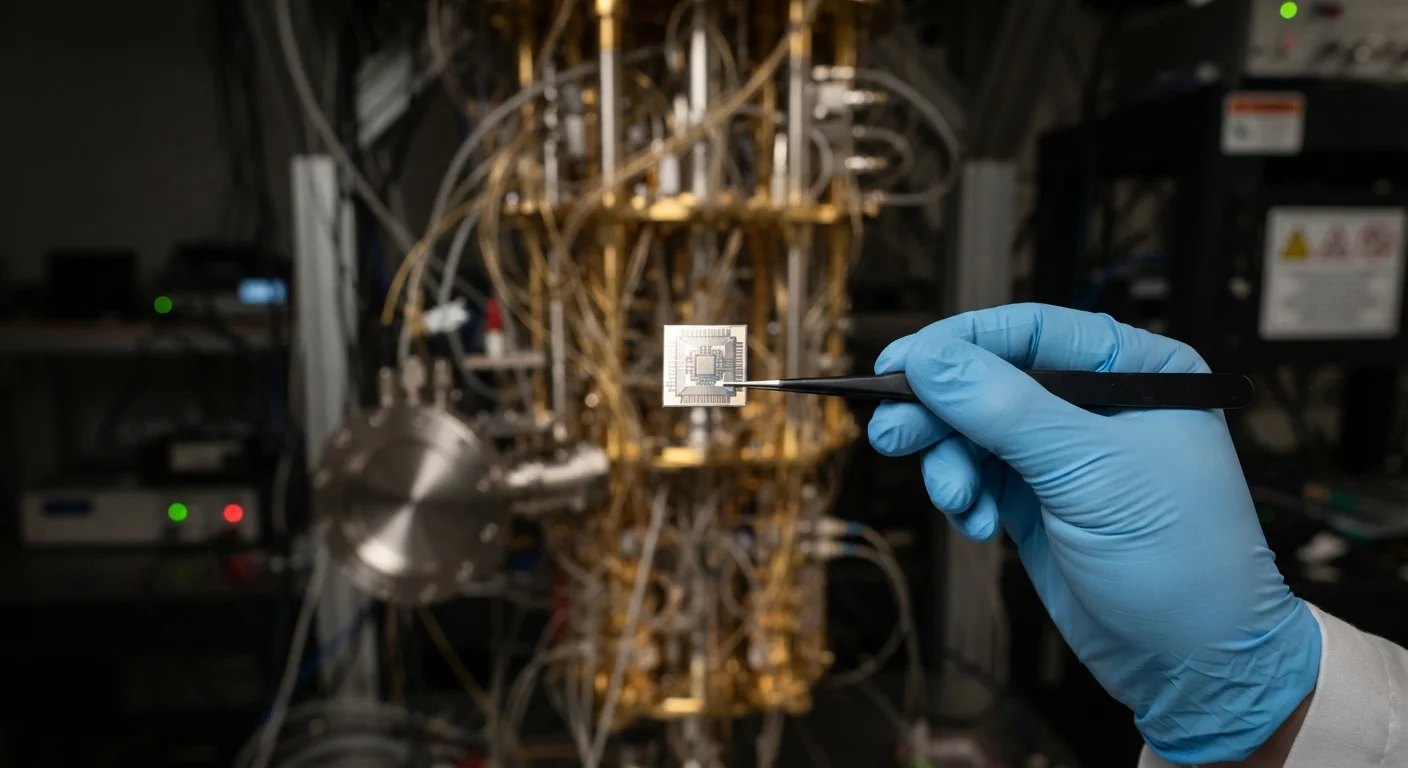
From the perspective of technical implementation logic, this quantum convolutional network adopts an overall hybrid quantum-classical architecture design. First, classical data is mapped to the quantum state space through an efficient data encoding strategy, ensuring that as much discriminative information from the original data as possible is preserved under limited qubit resources. For image data, the network employs block partitioning and local mapping approaches to embed pixel information into corresponding quantum subsystems; for one-dimensional data, a combination of structured amplitude encoding and angle encoding is used to achieve a compact representation of data features. After data encoding is completed, the quantum state is fed into the quantum feature extraction module composed of multiple layers of quantum convolutional units and interaction layers.
Article Intelligence
Related Coverage
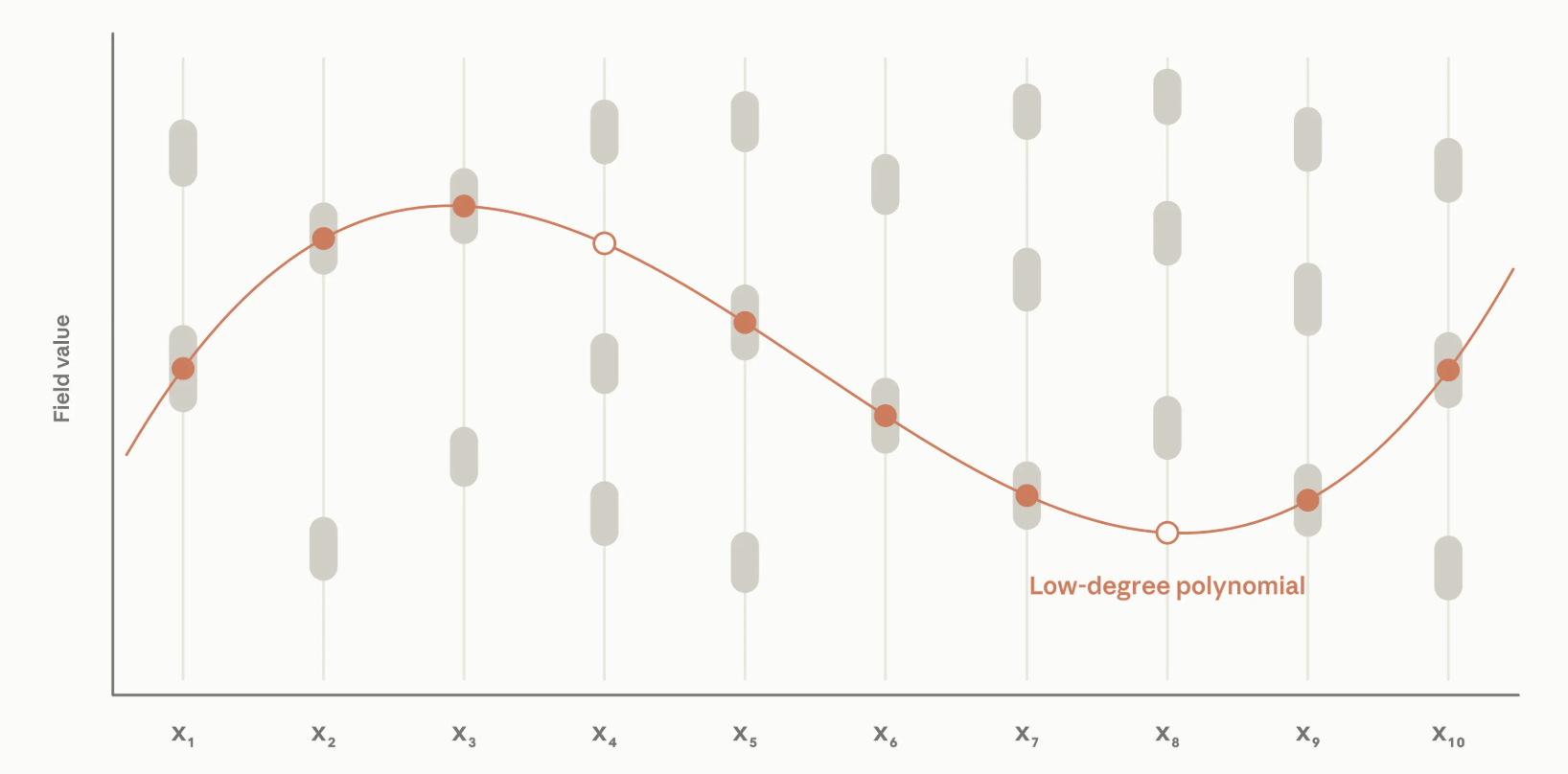 Artificial IntelligenceAnthropic’s Claude Designs Leaner Quantum Circuits, Reducing Resources Needed for Key Calculationsil y a 6 heures · 7 min read
 QuantumGuest Post: AI Infrastructure Investment and the Future of Quantum Computingil y a 7 heures · 1 min read
Sponsored
Ad
NewsLayer Premium
Unlock deeper intelligence.
Ad-free reading, exclusive research, and real-time onchain insights.
Go Premium