
ビットコインフォーク:チェーン分岐時に保有コインはどうなるのか
ビットコインフォーク:チェーン分岐時に保有コインはどうなるのか CryptoTicker
CryptoTicker
Publisher
Aug 22, 2026 at 9:29 AM UTC · 13 分で読める
Key Signal
963,648 Alpha launch block height
Entities
bitcoin
Market Impact
BTC-1.99%$82,633
Last Updated
2ヶ月前
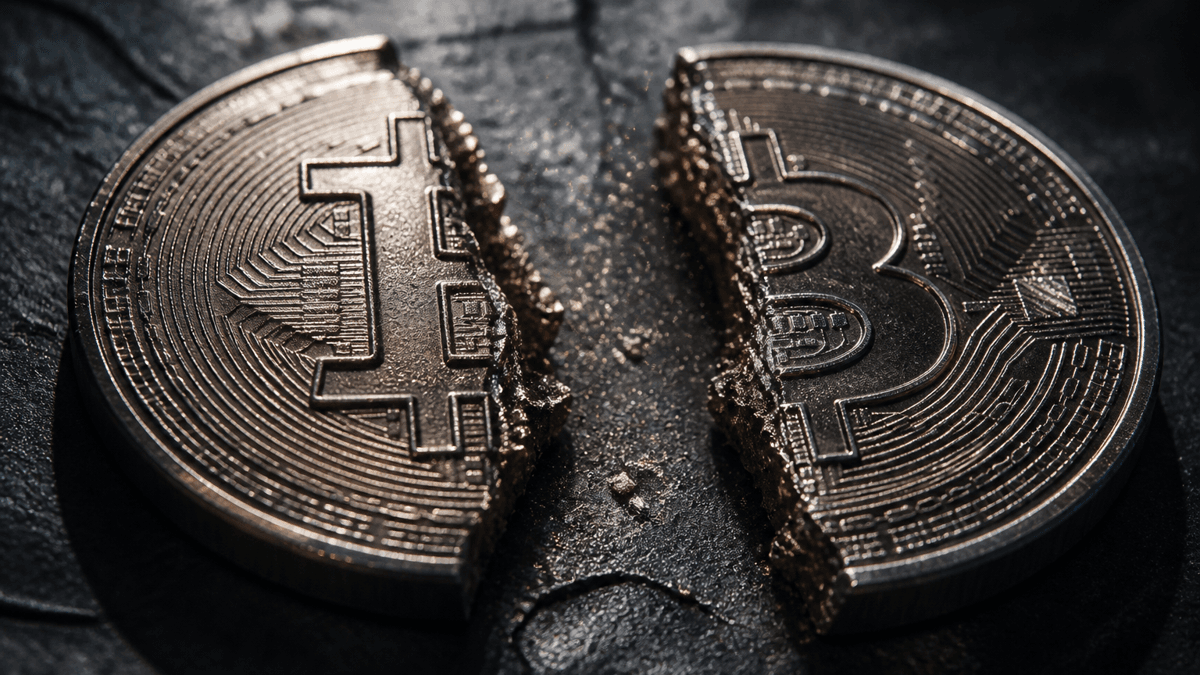
ブロックチェーンが分岐しても、あなたのビットコインが消えることはありません。分岐後は、両方のチェーンが分離時点までの同じ履歴を共有しているため、両方のチェーンで同時にビットコインを保有することになります。一つの残高が二つになるのです。実際に二つ目の残高を受け取れるか、そしてそれを安全に移動できるかは、次の二つの問いにかかっています。誰が非公開鍵を保持しているか、そして二重に有効な取引に対する保護策があるかです。この記事では、これら両方に答え、関連する用語を解説し、ドイツの税務上の立場についても説明します。
この機会は具体的です。Bitcoinブロックチェーンからの恒久的な分岐が2026年10月31日に予定されており、eCashという名称とECXというティッカーを冠しています。これは、このプロジェクトを聞いたことがあるかどうかにかかわらず、ビットコインを保有するすべての人に関係します。この特定のケースに移る前に、その背景にある原則を説明しておく価値があります。なぜなら、それはあらゆるチェーンの分岐において繰り返されるからです。
ビットコインのフォークとは何か、なぜ事後にコインが二つのチェーンに存在するのか?
フォークとは、ネットワークが有効なブロックを受け入れるためのルールの変更です。 これが一文での定義であり、すでにその結果を説明しています。参加者が新しいルールに同意しない場合、特定のブロック以降、チェーンを異なる形で継続します。その時点から、分岐点までブロックごとに同一の二つのブロックチェーンが存在することになります。
決定的な部分は、その共有された履歴にあります。ビットコインの残高はどこかに置かれている物体ではなく、チェーンの台帳への記載事項です。台帳をコピーすれば、記載事項もコピーされます。分岐前に2ビットコインを保有していた人は、事後には両方の帳簿に2ユニットずつ記載されることになります。この自動的な付与を指す専門用語がフォーク・エアドロップです。これは、コピーされた台帳から生じるものであるため、誰も請求や申請をする必要のない新しいコインの割り当てです。
あなたのビットコイン自体はこれによって影響を受けません。Bitcoinネットワークは分岐によって変更されることはなく、既存のルールの下で継続されます。誕生するのは、独自のソフトウェア、独自のマイナー、独自の市場価格を持つ、それに並行する二つ目のチェーンです。その価格は、取引所が新しいユニットを上場していないため、高い場合も低い場合も、あるいは全くつかない場合もあります。
ハードフォークとソフトフォーク:二つのうち一方だけが二つ目のブロックチェーンを作成する
この区別は、単純であるにもかかわらず、しばしば混同されます。
ソフトフォークはルールを厳格化します。新しいルールの下で有効なものは、古いルールの下でも有効でした。したがって、古いソフトウェアは引き続き新しいブロックを受け入れ、ネットワークは単一のチェーンのまま維持されます。保有者として目に見える変化は起こらず、新しいコインも発生しません。
Market Context
Bitcoin
BTC
$82,659
-1.96% (24H)
Market Cap
$1.66T
24H Volume
$28.7B
24H High
$84,355
Article Intelligence
Key Entities
Related Coverage
 CryptoSberbank Cleared to Custody Bitcoin as Russia Opens Crypto Registers21分前 · 1 min read
 CryptoBitcoin Cash News: Scrapped $10K Wallet Rule Revives Self-Custody as Remittix Strengthens Its Wallet3時間前 · 1 min read
 CryptoBitcoin at $87,400: What Could Shape the Next Move20分前 · 5 min read
Sponsored
Ad
NewsLayer Premium
Unlock deeper intelligence.
Ad-free reading, exclusive research, and real-time onchain insights.
Go Premium