
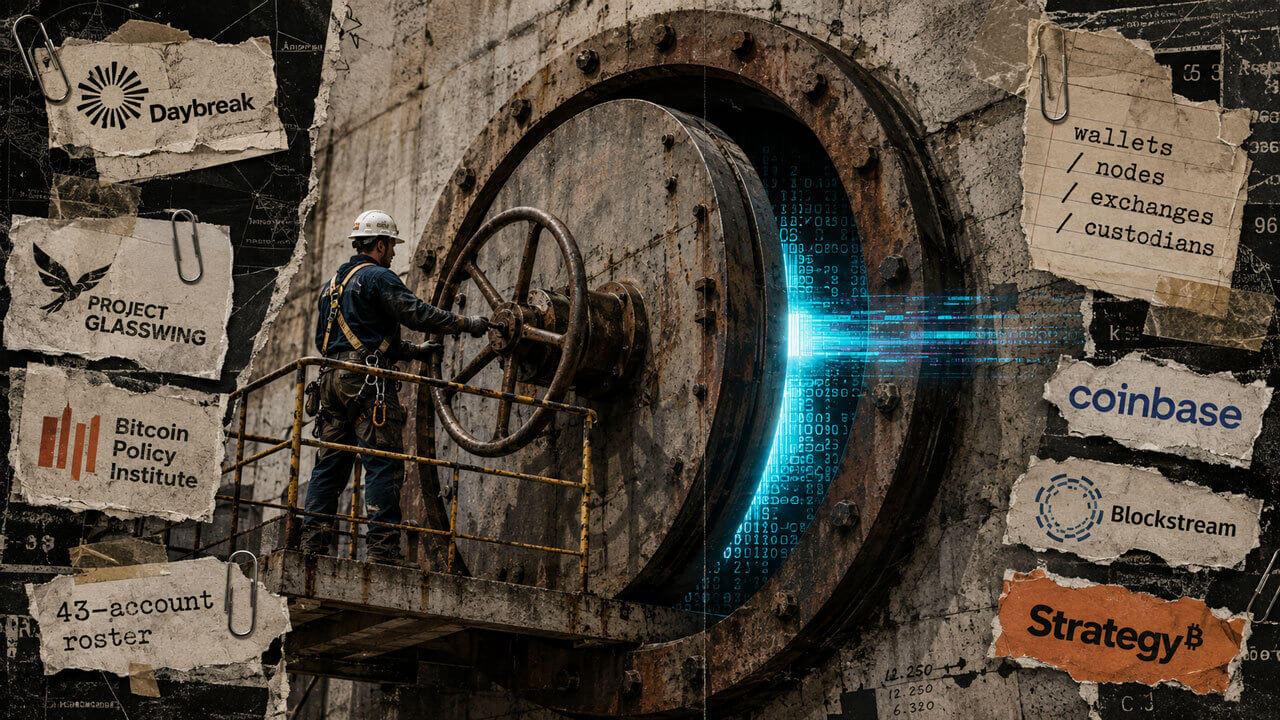
Coinbase、Blockstream、およびStrategyは、適格な暗号資産防御者が最先端のAIサイバーセキュリティモデルにアクセスしやすくするための取り組みを後援しています。
Coinbase、Strategy、Blockstream、審査済みBitcoin研究者のブロックを受けAIアクセス推進を支持
審査済みのBitcoin研究者がアクセスをブロックされたことを受け、Coinbase、Strategy、BlockstreamがAIアクセス推進を支持。CryptoSlate
CryptoSlate
Publisher
Aug 11, 2026 at 5:55 PM UTC · 4 分で読める
Entities
bitcoin, coinbase
Market Impact
BTC+0.57%$85,356
Last Updated
2ヶ月前
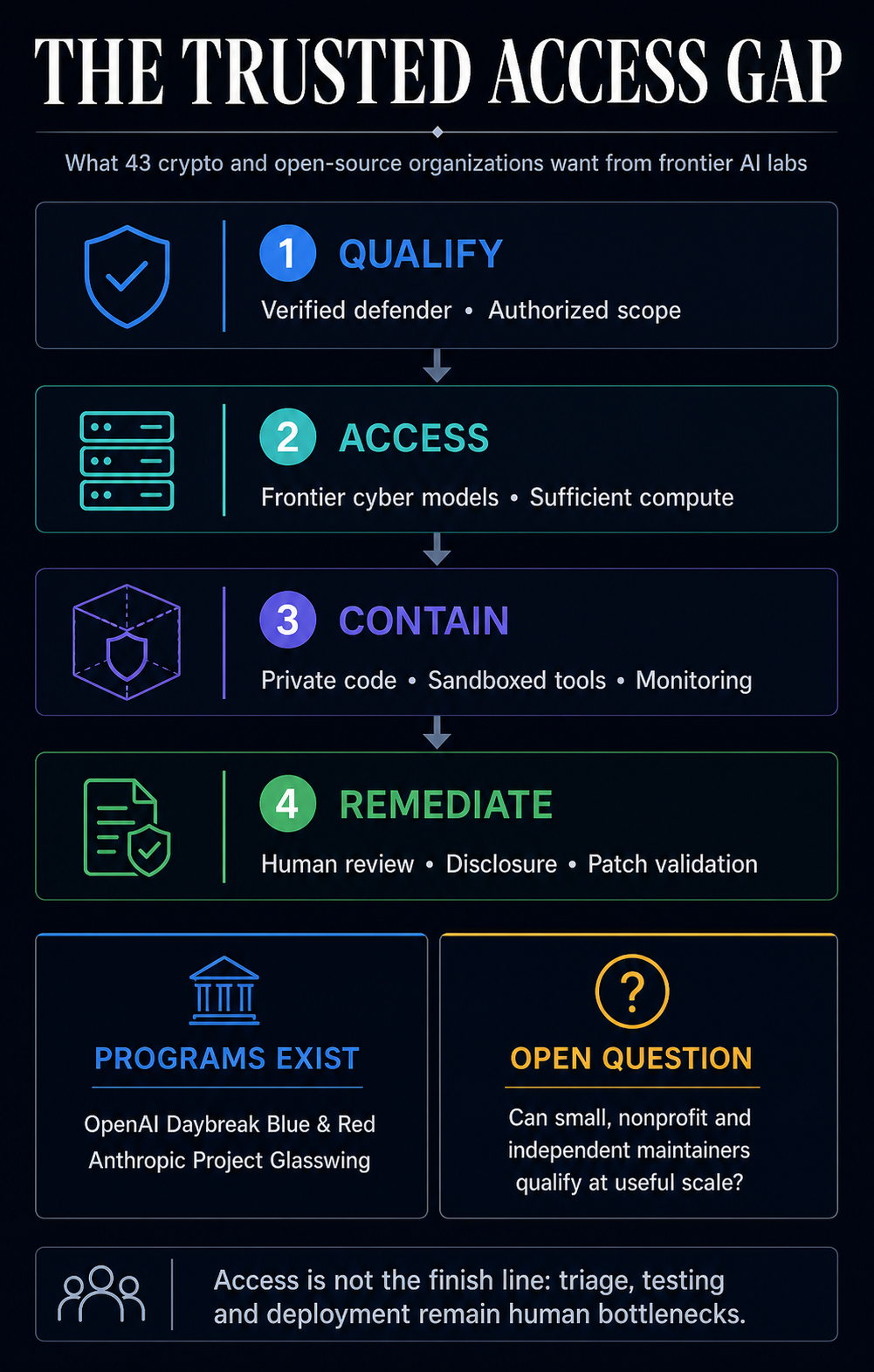
Bitcoin Policy Institute(BPI)が主導するこのイニシアチブは、デジタル資産およびオープンソースのエコシステム全体から40以上の組織の支持を得て、8月10日に発表されました。このイニシアチブは、主要なAI研究所に対し、適切な場合には高度なモデルへの早期アクセス、持続的なセキュリティレビューのための十分な計算能力、およびプライベートまたは公開制限のあるコードのための保護された環境を提供することを求めています。
また、このキャンペーンは、AIがソフトウェアの脆弱性を発見し悪用する能力を向上させるにつれて、不均衡がより危険になっていると主張し、小規模な非営利団体や独立したメンテナーを排除しない適格性ルールを求めています。
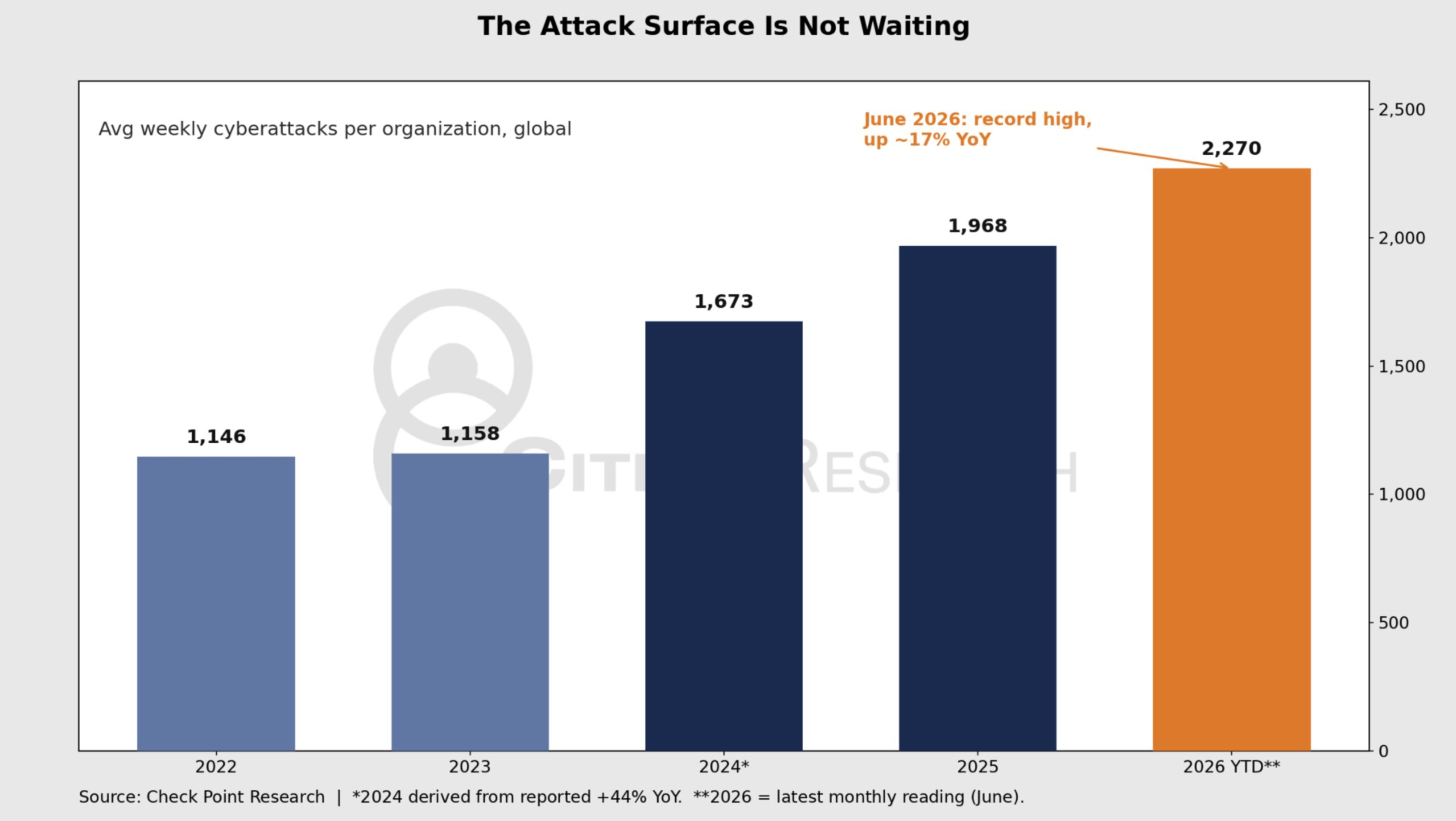
実際、暗号資産業界では最近、AIに関連した攻撃が増加しています。Capriole Investmentsの創設者であるCharles Edwards氏は、ChatGPTのリリース以降、サイバー攻撃は倍増し、9月以降はさらに20%増加したと述べており、この増加をエージェンティックAI(agentic AI)の出現と結びつけています。
しかし、暗号資産インフラを防御しようとしているセキュリティ研究者は、対応するために同等のAI機能を活用することにいまだ苦労していると述べています。
Anchor WatchのCEOであるRob Hamilton氏は、KYC(本人確認)と企業のサイバープログラムへのオンボーディングを完了したにもかかわらず、OpenAIがコードベースのセキュリティ研究の継続をブロックしたと述べ、最も明確な例を示しました。
Hamilton氏は次のように述べています。
「ブラックハットはこれらの問題に直面しませんが、ホワイトハットは直面します。私たちは政策の局所的な極小値(local minima)に突き当たっています。ルールに従わない者にとって知能は制限されておらず、被害軽減に取り組む者は蚊帳の外に置かれています。」
Hamilton氏の経験は、審査だけでは使用可能なアクセスを保証できないというBPIの懸念を浮き彫りにしています。承認された研究者であっても、正当な防御作業が、最先端モデルのセーフガードが制限するように設計されている攻撃的活動に似ている場合、依然としてブロックされる可能性があります。
OpenAIとAnthropicはすでにサイバーアクセスの拡大を進めている
過去1年間、最先端のAI研究所はすでにその緊張を解消するためのプログラムを構築しています。
8月10日、BPIがキャンペーンを発表したのと同じ日に、OpenAIはDaybreakサイバーセキュリティイニシアチブを拡大しました(ただし、双方はこの進展を関連付けてはいません)。
Market Context
Bitcoin
BTC
$85,364
+0.58% (24H)
Market Cap
$1.71T
Circulating Supply
20.1M BTC
24H Volume
$15.0B
24H High
$85,407
Article Intelligence
Related Coverage
 CryptoISM Services Report and Fed Minutes Set Bitcoin’s Oct. 5-7 Calendar2時間前 · 1 min read
 CryptoBitcoin eyes $90,000 as geopolitical tensions a...16分前 · 1 min read
 CryptoBitcoin address dormant for 13 years sends smal...26分前 · 1 min read
Sponsored
Ad
NewsLayerLearn more
NewsLayer Premium
Unlock deeper intelligence.
Ad-free reading, exclusive research, and real-time onchain insights.
Go Premium