
A new paper demonstrating Grover’s search on a room-temperature diamond processor may echo the transistor’s takeover from vacuum tubes – and raises questions about how much vacuum-dependent quantum hardware survives the same transition.
Guest Post: Quantum Computing’s Transistor Moment
A new paper demonstrating Grover’s search on a room-temperature diamond processor may echo the transistor’s takeover from vacuum tubes – and raises questions about how much vacuum-dependent quantum hardware survives the same transition.…
Resonance
Publisher The Quantum Insider
Oct 9, 2026 at 2:45 PM UTC · Updated 1時間前 · 6 分で読める
翻訳中…
Guest Post By Prof. Dr. Marius Grundmann, CEO, SAXON Q
Every disruptive technology has a quiet laboratory result that outsiders miss and insiders remember for decades. A newly published demonstration of Grover’s search algorithm on a room-temperature diamond quantum processor is a strong candidate for exactly that kind of moment.
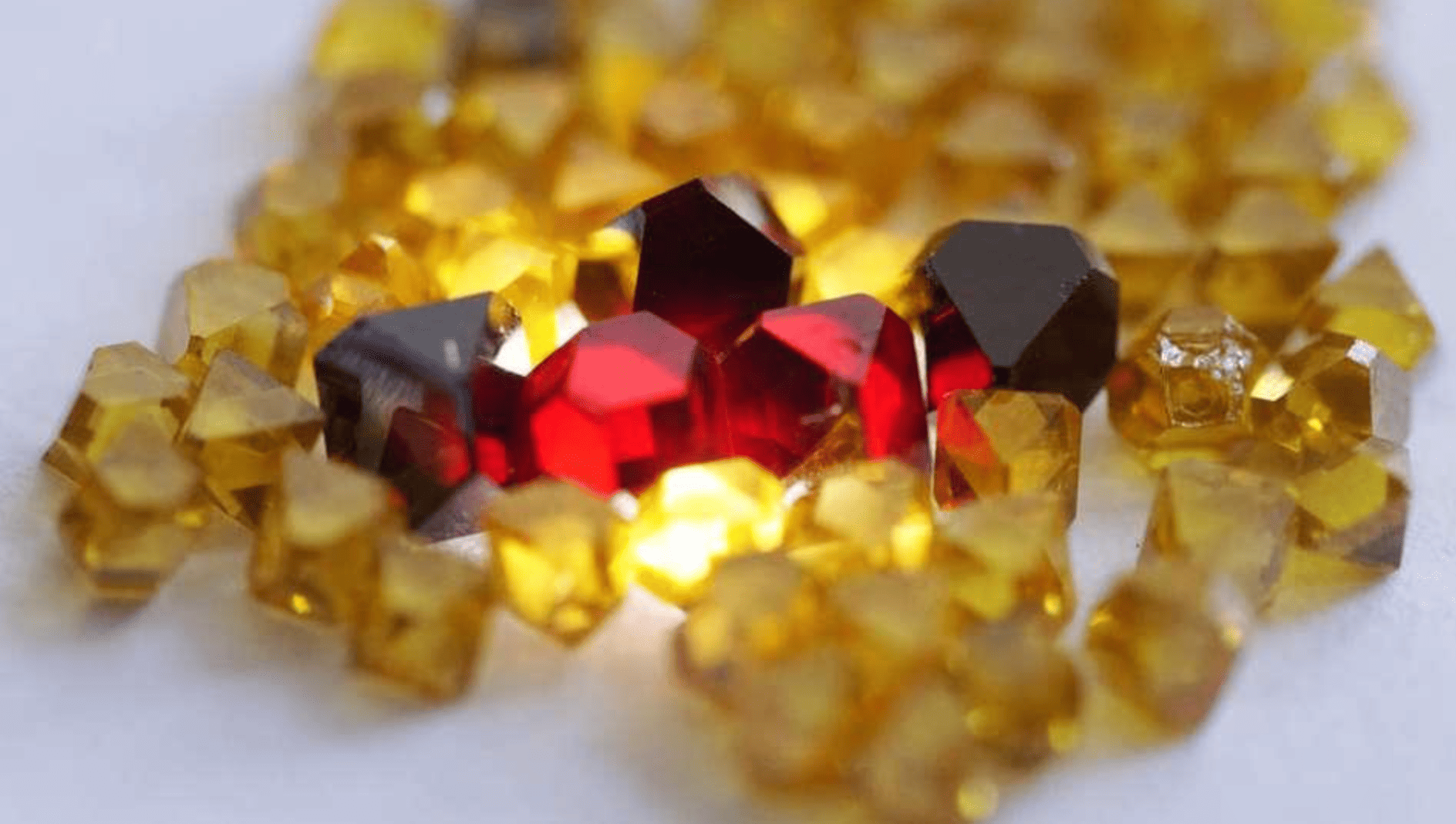
The result is narrow in scope – a three-qubit search on a nitrogen-vacancy (NV) center system – but carries a broad implication. It suggests that quantum information processing is echoing the move classical computing made, out of vacuum-based hardware and into the semiconductor lattice. The physics is different, but the direction is the same.
The real question is how fast it happens – and what it means for the tens of billions of dollars committed to vacuum-dependent modalities.
How Silicon Buried the Vacuum Tube
The precedent is instructive. The first electronic computers, like ENIAC, ran on thousands of vacuum tubes – power-hungry, hot and unreliable enough that keeping one running was a full-time engineering discipline. The transistor, invented at Bell Labs in 1947, did not immediately outperform the vacuum tube. What changed the outcome was not a single leap in performance, but a trajectory.
Article Intelligence
Topics
Sponsored
Ad
NewsLayerLearn more
NewsLayer Premium
Unlock deeper intelligence.
Ad-free reading, exclusive research, and real-time onchain insights.
Go Premium