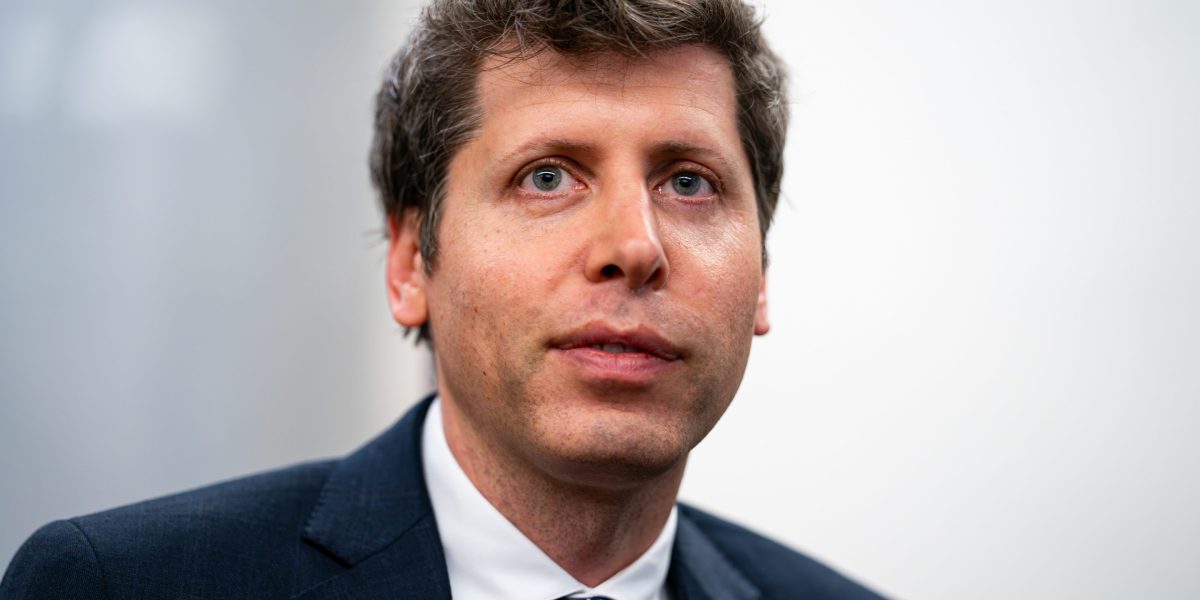
Meanwhile, in the recent Hugging Face incident, OpenAI’s models broke out of the infrastructure meant to contain them and hacked another AI company to cheat on a cybersecurity benchmark. The episode drove home the fact that the problem of controlling AI systems remains unsolved. To Coxon, it made the sci-fi scenario of AI models escaping human control seem plausible, and perhaps urgent. “It's not like some weird, distant, far-flung concern. It is the default trajectory in the next couple of years, unless people start taking some sort of action,” he says. (Anthropic and OpenAI did not immediately respond to a request for comment.)
He Helped Build Powerful AI at OpenAI and Anthropic. Now He's Afraid It Could Kill Us
Meanwhile, in the recent Hugging Face incident, OpenAI’s models broke out of the infrastructure meant to contain them and hacked another AI company to cheat on a cybersecurity benchmark. The episode drove home the fact that the problem…
Time Magazine
Publisher
Sep 9, 2026 at 8:21 PM UTC · Updated 3日前 · 1 分で読める

Does Coxon regret his work advancing the technology that he now fears? “Definitely … But also the world did look very different three years ago, and I think it’s easy to see with the benefit of hindsight,” he says. “I guess it takes some time to fully internalize emotionally the fact that there’s a decent chance the whole thing goes wrong,” he adds.
Sourced by
Originally reported by Time Magazine
NewsLayer coverage based on externally reported material.
The Daily Brief
The onchain economy, before your day starts.
Curated markets, onchain insights, and key headlines — delivered every weekday morning.
Weekdays · Free · ~5 minute read
0
Applause
Was this article helpful?
Article Intelligence
Topics
Sponsored
Ad
NewsLayerLearn more
NewsLayer Premium
Unlock deeper intelligence.
Ad-free reading, exclusive research, and real-time onchain insights.
Go Premium