
Researchers have demonstrated how a quantum computer can repeatedly measure and reset its qubits while calculations continue, helping tame chaotic behavior inside the processor. The experiment used up to 100 qubits and demonstrated a key technique for developing more reliable quantum machines.
IBM’s 100-qubit chip advances self-correcting quantum computers with 5,000 operations
Researchers have demonstrated how a quantum computer can repeatedly measure and reset its qubits while calculations continue, helping tame chaotic behavior inside the processor. The experiment used up to 100 qubits and demonstrated a…
Interesting Engineering
Publisher
Oct 9, 2026 at 11:18 PM UTC · 2 分で読める
Key Signal
100 qubits Experiment chain size
Last Updated
2日前
翻訳中…
The team included scientists from Rutgers University, IBM, and several collaborating institutions. Their findings, published in Nature Physics, also revealed a sharp transition between chaotic and controlled quantum behavior.
Resetting qubits to restore order
Quantum computers process information differently from conventional machines. Their qubits can occupy superpositions of states, giving them capabilities that classical bits cannot directly replicate. However, these fragile states can deteriorate through interactions with the environment and imperfections in hardware.
Errors can accumulate during calculations, eventually making results unreliable. Researchers must develop systems that detect and correct these errors while computations continue. This approach, known as quantum error correction, forms the foundation of fault-tolerant quantum computing.
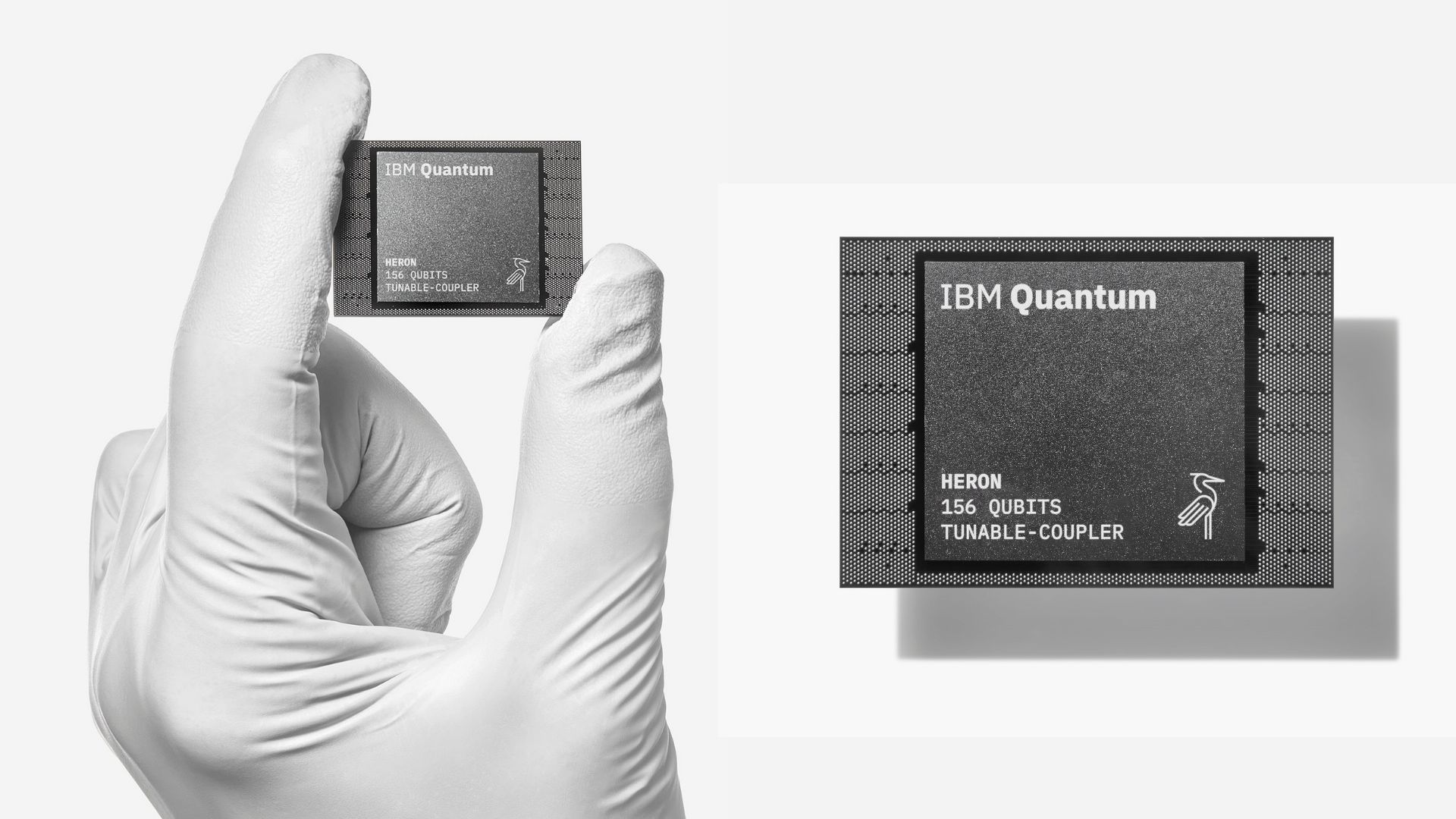
The team tested its approach using an IBM Quantum Heron processor with 156 qubits. Researchers selected a connected chain containing up to 100 qubits for the experiment.
Article Intelligence
Topics
Sponsored
Ad
NewsLayerLearn more
NewsLayer Premium
Unlock deeper intelligence.
Ad-free reading, exclusive research, and real-time onchain insights.
Go Premium