
NEC was one of the first developers of quantum computers back in the 1990s, but it is now among the first companies that originally researched quantum computing technologies to quit development of quantum computing hardware, according to a Diamond Online report. However, the company will continue to investigate practical applications for quantum computers.
NEC has quietly quit quantum computing hardware development, report claims — company says it will continue to evaluate practical applications and industrialization of quantum technologies
NEC was one of the first developers of quantum computers back in the 1990s, but it is now among the first companies that originally researched quantum computing technologies to quit development of quantum computing hardware, according…
Tom's Hardware
Publisher
Sep 8, 2026 at 11:45 AM UTC · 3 分で読める
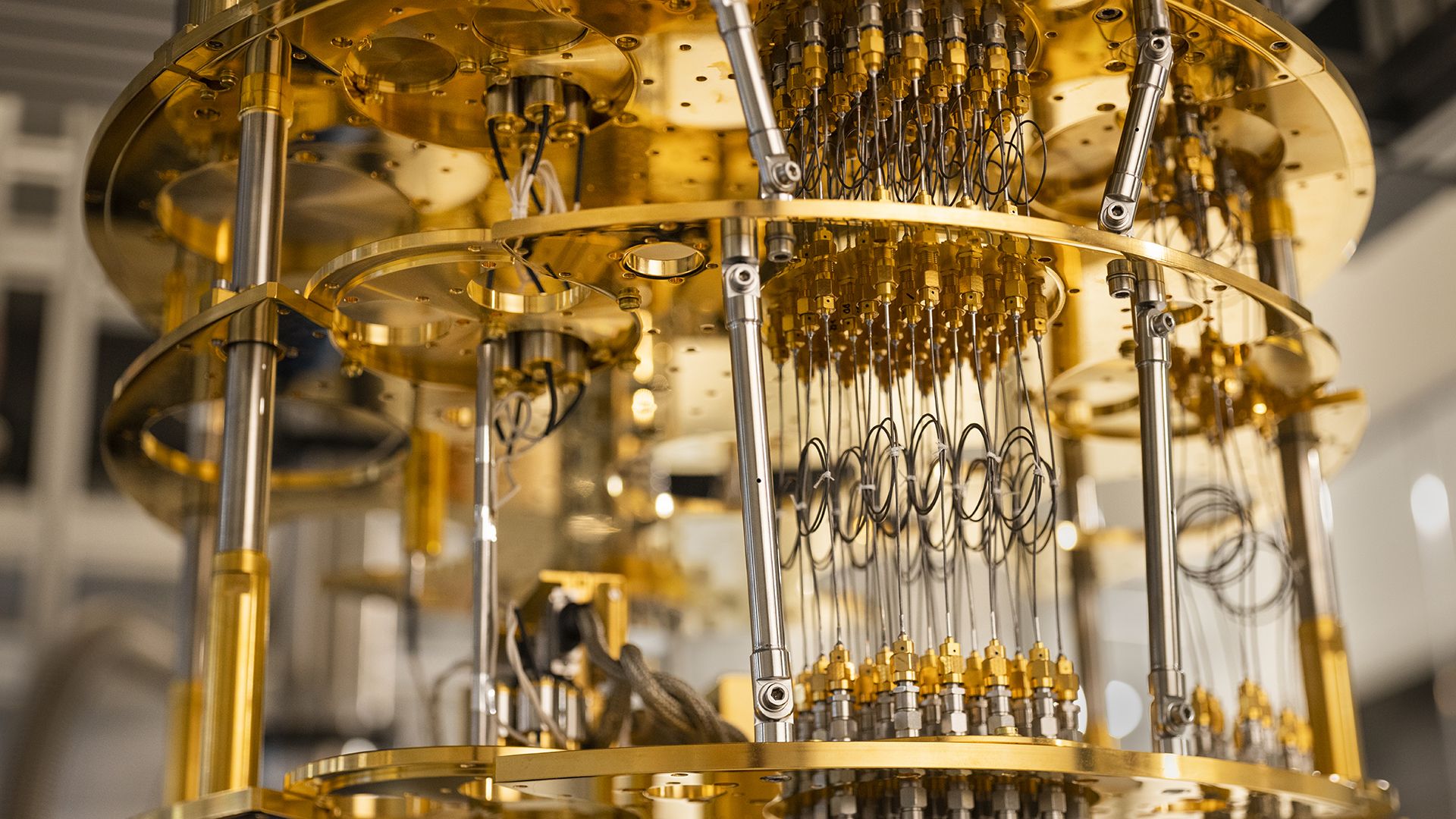
翻訳中…
NEC has been involved in superconducting quantum computing research since the technology's earliest days. In 1999, NEC researchers demonstrated the world's first superconducting solid-state qubit, which became a foundation of superconducting quantum computing. Variations of this technology are now being used by Google and IBM to build their quantum computers. However, it turns out that the Japanese technology giant quietly ended development of physical quantum computing machines in March 2026, and many of its researchers subsequently moved to rival Fujitsu.
Despite its historical role, NEC has apparently concluded that developing commercial quantum computing hardware will take too long to generate adequate returns. As a result, the company quietly discontinued development of quantum computing machines at the end of March, according to Diamond. A number of researchers involved with the program — reportedly including a key research leader — have since moved to Fujitsu, which continues to invest heavily in superconducting quantum computing hardware.
Article Intelligence
Related Coverage
 QuantumQuantinuum Finalizes $100M CHIPS Funding Agreement for Trapped-Ion Quantum Computing1時間前 · 2 min read
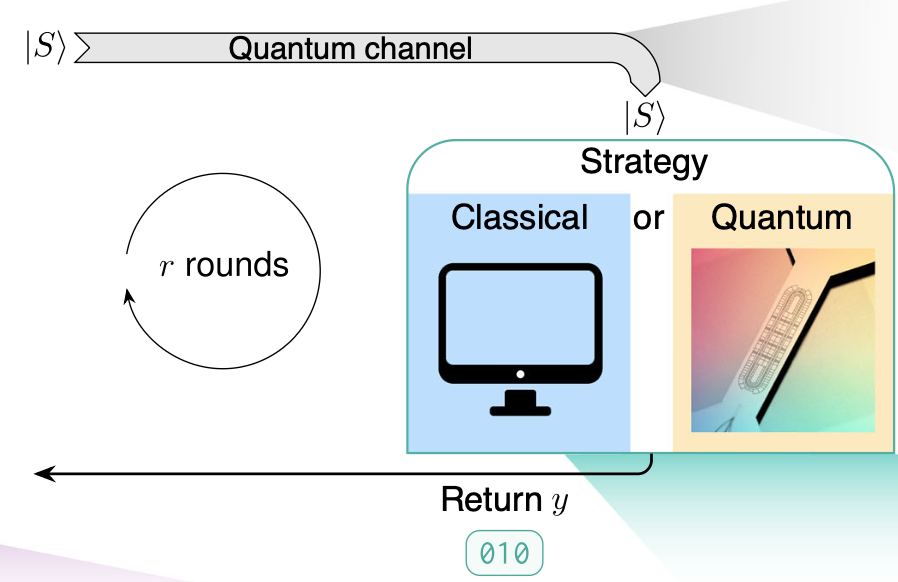 ResearchGame On: Quantinuum Demonstrates Exponential Edge Over Classical Strategies2時間前 · 8 min read
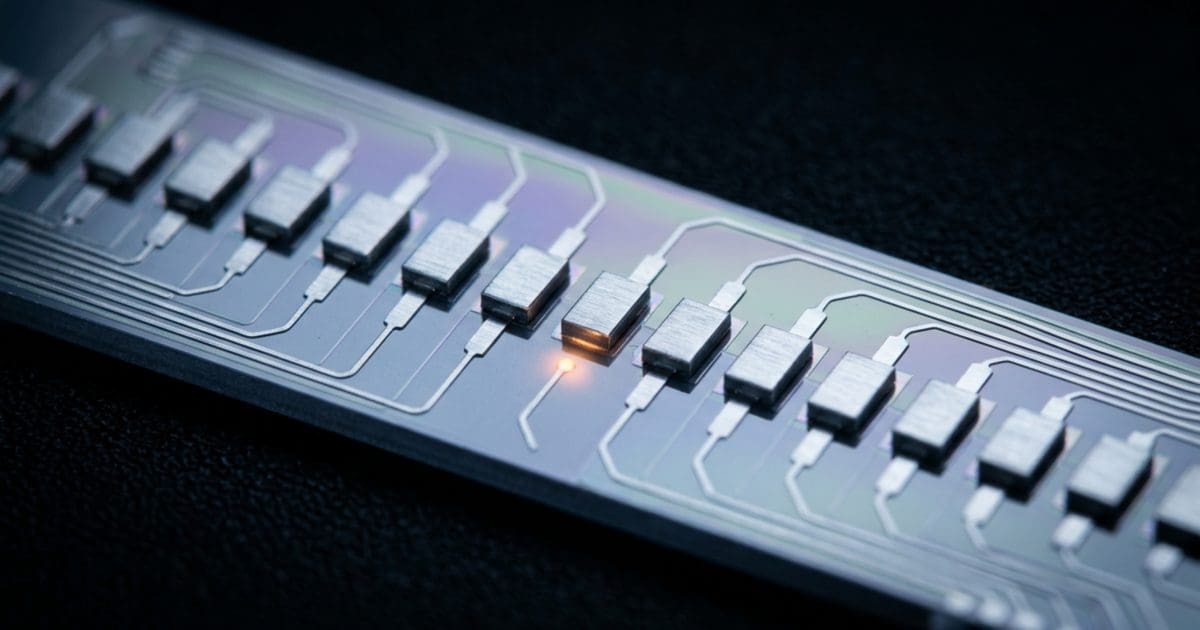 QuantumResearchers Extend Qubit Coherence With Modulated Microwaves17時間前 · 3 min read
Sponsored
Ad
NewsLayerLearn more
NewsLayer Premium
Unlock deeper intelligence.
Ad-free reading, exclusive research, and real-time onchain insights.
Go Premium