
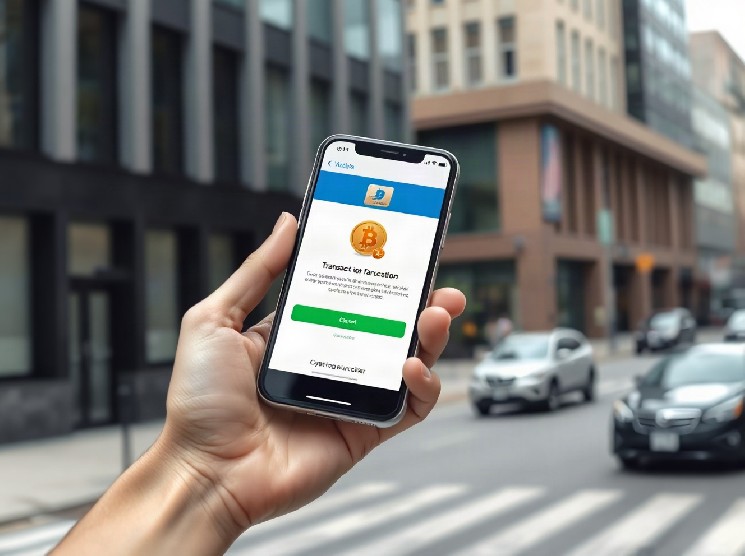
Robinhood Wallet and social trading app Fomo have introduced a feature that allows users to purchase memecoins using credit cards through Apple Pay and Google Pay, bypassing the need for a separate know-your-customer (KYC) process at checkout. The integration, built on Crossmint’s Token Checkout, processes payments on the Robinhood Chain network and classifies transactions under the merchant category code for digital goods media — a category typically used for products like audiobooks and digital movies.
Robinhood Wallet and Fomo Let Users Buy Memecoins with Credit Cards, Raising Regulatory Scrutiny
Robinhood Wallet and social trading app Fomo have introduced a feature that allows users to purchase memecoins using credit cards through Apple Pay and Google Pay, bypassing the need for a separate know-your-customer (KYC) process at…
Cryptonews.net
Publisher
Sep 1, 2026 at 10:14 PM UTC · Updated 1日前 · 3 分で読める
翻訳中…
How the Payment Classification Works
By categorizing memecoin purchases as digital goods rather than cash advances or financial product purchases, these transactions are treated like ordinary retail spending. This means some credit cards may offer points, miles, or cashback on memecoin purchases, a departure from how credit card networks have traditionally handled cryptocurrency transactions. Chase has said it is investigating the issue over concerns that the feature may circumvent card issuer rules on cryptocurrency purchases. The New York Attorney General’s office has also said it is aware of the matter and is reviewing it.
Regulatory and Industry Implications
The move comes amid increasing regulatory scrutiny of cryptocurrency products and payment systems. Credit card networks have historically imposed stricter rules on crypto purchases, often treating them as high-risk transactions. The use of a digital goods classification could potentially allow users to earn rewards on purchases that would otherwise be restricted or subject to different fee structures. This has prompted questions about whether such classifications accurately reflect the underlying transactions and whether they comply with card network policies.
Article Intelligence
Topics
Related Coverage
 CryptoJapan’s Remixpoint Dumps Ethereum, XRP in Shift to Bitcoin-Only Treasury30分前 · 2 min read
 CryptoUS officials work with CrowdStrike to fight malware behind crypto theft34分前 · 1 min read
 CryptoDOJ says Hamas crypto seizures reached $560,000 as FBI took over fundraising sites37分前 · 1 min read
Sponsored
Ad
NewsLayerLearn more
NewsLayer Premium
Unlock deeper intelligence.
Ad-free reading, exclusive research, and real-time onchain insights.
Go Premium