
The European crypto regulation MiCA has applied across the EU without transitional relief since July 1, 2026. Coverage since then has centred on the exchanges that left the European market. For staking the picture is murkier, and there is a simple reason for it: the regulation does not recognise the term as a service in its own right.
Staking Under MiCA: Licence Rules and German Tax
CryptoTicker examines how the EU’s MiCA framework may affect staking-related licensing requirements and how staking is treated for tax purposes in Germany. The excerpt does not provide specific regulatory thresholds, licence categories,…
CryptoTicker
Publisher
Aug 12, 2026 at 12:16 AM UTC · Updated 2ヶ月前 · 9 分で読める

Key Signal
July 1, 2026 EU MiCA application date
Last Updated
2ヶ月前
翻訳中…
要点
- The article focuses on staking under the EU Markets in Crypto-Assets (MiCA) framework.
- It addresses potential licence rules connected to staking activities.
- It also discusses German tax considerations for staking.
Anyone delegating coins through a provider still has a clear question to answer. Does that provider need a licence, and what happens to the balances it holds if it does not?
Staking under MiCA: why the regulation does not treat this service as a category of its own
Regulation (EU) 2023/1114 works from an exhaustive list of crypto-asset services. Recital 21 groups them into two sets. The first covers the operation of a trading platform, the exchange of crypto-assets for funds or for other crypto-assets, the custody and administration of crypto-assets on behalf of clients, and transfer services. The second covers placement, the reception, transmission and execution of orders, advice and portfolio management.
Staking does not appear anywhere in that list. It would be wrong, though, to conclude from this that staking is unregulated. The licensing requirement attaches to what the provider actually does, not to the label on the product. Almost every staking offering aimed at retail investors involves at least one of the listed activities.
Article Intelligence
Topics
Related Coverage
 CryptoSolana Confirms a Transaction in 200 Milliseconds and Bitcoin Takes 10 Minutes. Does Speed Make a Coin Worth More?2時間前 · 4 min read
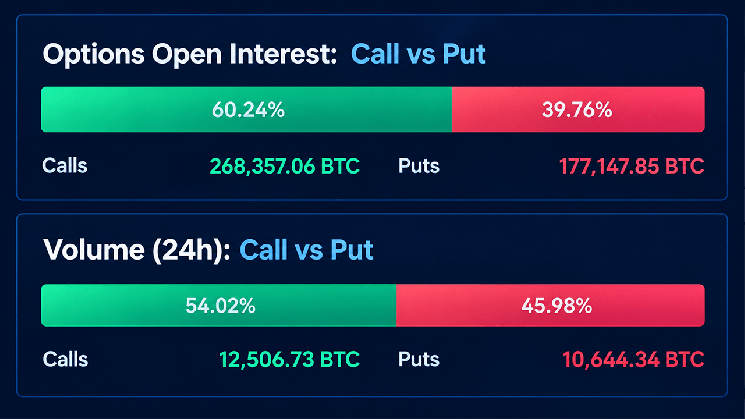 CryptoBitcoin Traders Stack $4.5 Billion in Calls as $95K Bets Take Shape1時間前 · 3 min read
 CryptoCZ Urges Crypto Users to Prioritize Wallet Security Amid Rising Risks1時間前 · 1 min read
Sponsored
Ad
NewsLayerLearn more
NewsLayer Premium
Unlock deeper intelligence.
Ad-free reading, exclusive research, and real-time onchain insights.
Go Premium