
“Accessibility” has always been one of the biggest bridges between Wall Street and digital assets.
24/7 stocks are coming: Why SEC’s tokenization push matters for crypto
“Accessibility” has always been one of the biggest bridges between Wall Street and digital assets.
AMBCrypto
Publisher
Aug 13, 2026 at 6:00 PM UTC · Updated 2달 전 · 2 분 소요
Key Signal
$900M BSC tokenized-stock growth
Last Updated
2달 전
번역 중…
From this perspective, the SEC’s move to reopen the regulatory framework around tokenized equities through an “innovation exemption” naturally brings 24/7 trading back into focus.
The idea is simple: Give investors access to equities without market-hour restrictions, while bringing more liquidity to the market.
Against this backdrop, it’s no surprise the move has triggered a frenzy, with the SEC potentially launching the initiative as early as Friday. But the bigger question for market participants is what this means for crypto.
Notably, tokenization is already being viewed as the biggest potential catalyst for the crypto market.
From a technical standpoint, this thesis can’t be ruled out.
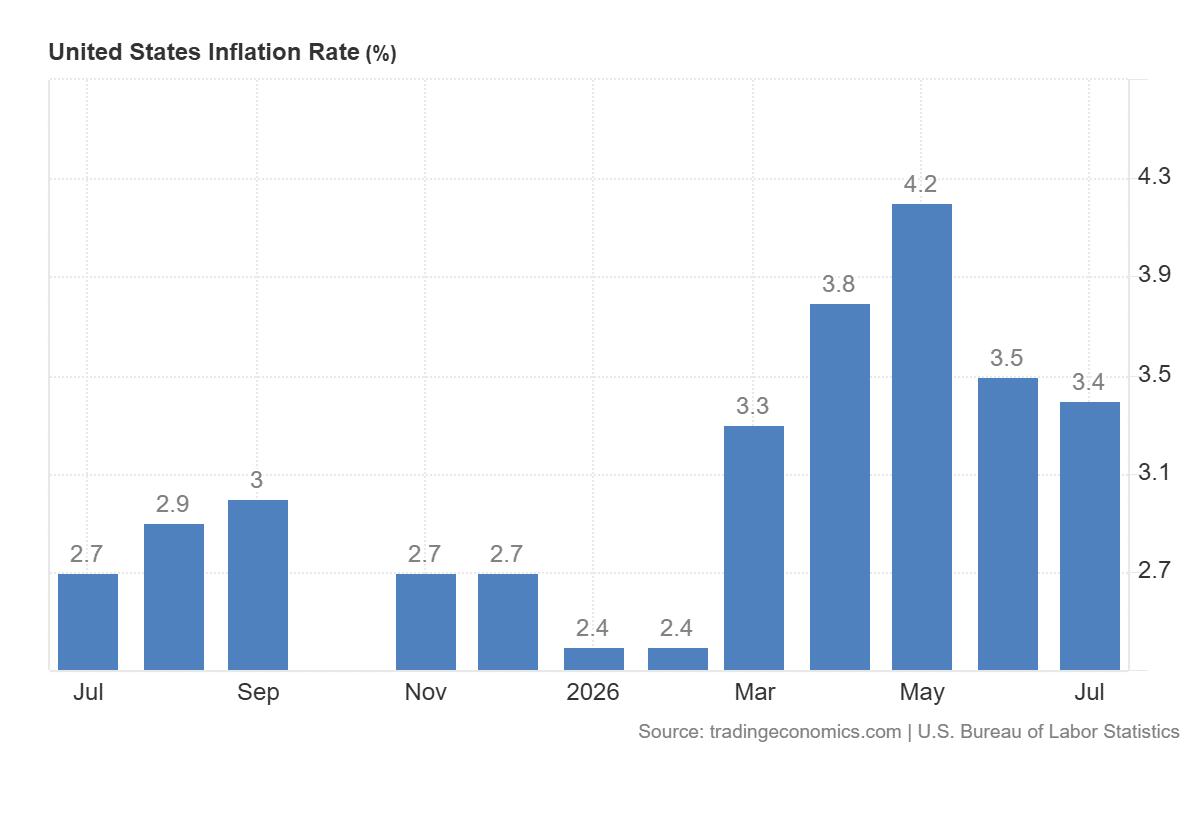
Top U.S. equity indexes, such as the NASDAQ, closed Q2 up more than 27%, while Bitcoin posted a 14% correction. The key takeaway? This divergence emerged after the geopolitical crisis that gripped the global markets toward the end of Q1, eventually feeding into the broader risk-off move across crypto.
The chart above clearly highlights this shift. The U.S. inflation rate climbed to a multi-year high of 4.2% in May, following two straight months of rising inflation before topping out. Yet, despite the macro uncertainty, capital continued flowing into U.S. equities. This clearly showed where investors were putting their money, with traditional markets attracting liquidity while crypto struggled.
Market Context
Bitcoin
BTC
$85,210
-0.18% (24H)
Market Cap
$1.71T
Circulating Supply
20.1M BTC
24H Volume
$31.3B
24H High
$86,974
Article Intelligence
Topics
Regulation Signal
in progressUpdated 2달 전
SEC Crypto Asset Market Structure RulemakingRelated Coverage
 PolicyU.S. CFTC joins SEC in proposing crypto regulations, though spot-market gap lingers10분 전 · 1 min read
 CryptoOpinion | CFTC’s New Rules for Crypto30분 전 · 1 min read
 CryptoS&P Global Brings TradFi Risk Grades to $10 Billion Crypto Lending Vaults한 시간 전 · 2 min read
Sponsored
Ad
NewsLayerLearn more
NewsLayer Premium
Unlock deeper intelligence.
Ad-free reading, exclusive research, and real-time onchain insights.
Go Premium