
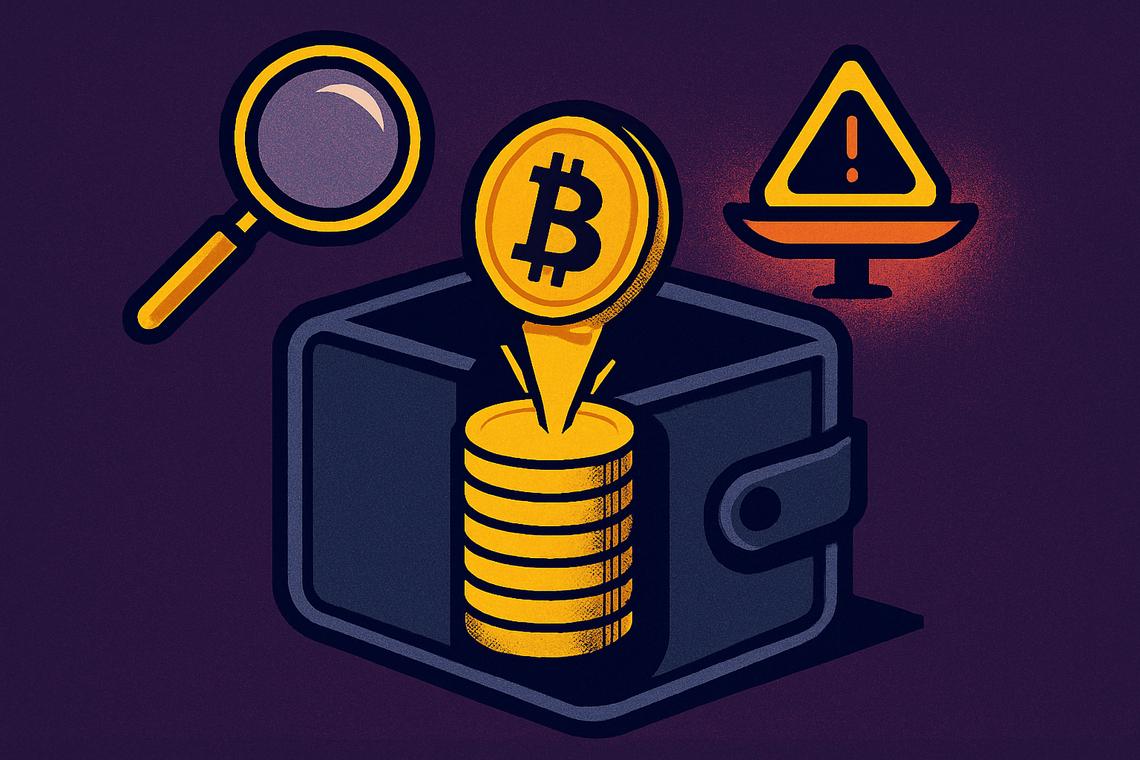
Binance의 비트코인 준비금이 조용히 6개월 만의 최고치로 치솟았으며, 그 타이밍으로 인해 트레이더들이 평소보다 더 주의 깊게 지켜보고 있습니다. CryptoQuant의 데이터에 따르면, 바이낸스 비트코인 준비금은 현재 약 667,500 BTC로, 2월 이후 보지 못한 수준입니다. 이러한 움직임은 거래소 잔액의 모든 변화가 비트코인 가격의 향방에 대한 단서를 찾기 위해 면밀히 조사되는 시점에 발생했습니다.
Binance의 Bitcoin 보유량, 6개월 만에 최고치 기록
Binance의 Bitcoin 보유량이 6개월 만에 최고 수준에 도달했습니다. The Cryptonomist
The Cryptonomist
Publisher
Aug 12, 2026 at 9:47 AM UTC · 5 분 소요
Entities
bitcoin, binance
Market Impact
BTC-0.19%$83,238
Last Updated
2달 전
주요 요점
- CryptoQuant에 따르면 바이낸스의 비트코인 준비금은 2월 이후 최고치인 약 667,500 BTC에 도달했습니다.
- 준비금은 약 616,000 BTC였던 4월 이후 약 51,500 BTC 증가했습니다.
- 높은 준비금은 판매 가능한 코인이 더 많아졌음을 의미할 수 있지만, CryptoQuant의 데이터는 실제 매도 주문이 아닌 총 지갑 잔액만을 측정합니다.
- 바이낸스 관련 지갑 하나가 7월 19일에서 8월 8일 사이에 45번의 입금을 통해 6,494.34685667 BTC를 받았으며, 그 중 대부분을 바이낸스의 2022년 준비금 증명 보고서와 연결된 주소로 보냈습니다.
- 트레이더들은 거래소 흐름보다는 예정된 미국 CPI 보고서에 더 집중하는 모습입니다.
바이낸스 비트코인 준비금 6개월 만의 최고치 기록
CryptoQuant에 따르면 바이낸스의 거래소 내 비트코인 보유량이 약 6개월 만에 최고치를 기록했습니다. 플랫폼에서 추적된 비트코인 거래소 잔액은 현재 667,500 BTC 근처에 있으며, 이 수치는 하룻밤 사이에 급등한 것이 아니라 꾸준히 쌓여온 것입니다.
지난 4월, CryptoQuant의 수치는 바이낸스의 준비금을 616,000 BTC 근처로 집계했습니다. 그 이후 잔액은 약 51,500 BTC 증가했으며, 이는 한 번의 급격한 상승이 아니라 몇 달에 걸친 점진적인 축적의 결과입니다. 이러한 상승은 비트코인이 $64,000 근처에서 거래되는 동안 발생했으며, 이 가격대는 거래소 잔액의 큰 움직임이 공급 변화의 징후를 살피는 트레이더들의 특별한 주의를 끄는 구간입니다.
이번 기간이 주목받는 이유는 최근의 이력과 대조적이기 때문입니다. 바이낸스의 보유량은 이전 몇 달 동안 급격하게 오르내렸으며, 잔액이 이 특정 수준에 도달한 것은 약 6개월 만에 처음입니다. 화요일 비트코인은 전날보다 약 0.78% 하락한 $64,000 아래로 밀려났으며, 이는 그 자체로 준비금 증가가 실제로 무엇을 의미하는지에 대한 논쟁을 잠재우기에는 부족한 완만한 움직임이었습니다.
Market Context
Bitcoin
BTC
$83,240
-0.19% (24H)
Market Cap
$1.67T
Circulating Supply
20.1M BTC
24H Volume
$28.1B
24H High
$84,527
Article Intelligence
Topics
Related Coverage
 CryptoStrategic Bitcoin reserves are closer than ever to formal legislation. Is a surge in Bitcoin’s value imminent?2시간 전 · 1 min read
 CryptoCrypto whale places $45M in staggered buy orders for Bitcoin and Ether below market price4분 전 · 1 min read
 CryptoBitcoin rally cools as demand drops and profit-taking rises despite high 'bull score'.10분 전 · 1 min read
Sponsored
Ad
NewsLayerLearn more
NewsLayer Premium
Unlock deeper intelligence.
Ad-free reading, exclusive research, and real-time onchain insights.
Go Premium