
Bitcoin 21 million 돌파? Adam Back, 위험 경고
Bitcoin 21 million 돌파? Adam Back이 위험에 대해 경고하다 Cointribune
Cointribune
Publisher
Aug 16, 2026 at 1:45 PM UTC · 3 분 소요
Entities
bitcoin
Market Impact
BTC+0.53%$84,990
Last Updated
2달 전
이 기사 요약:
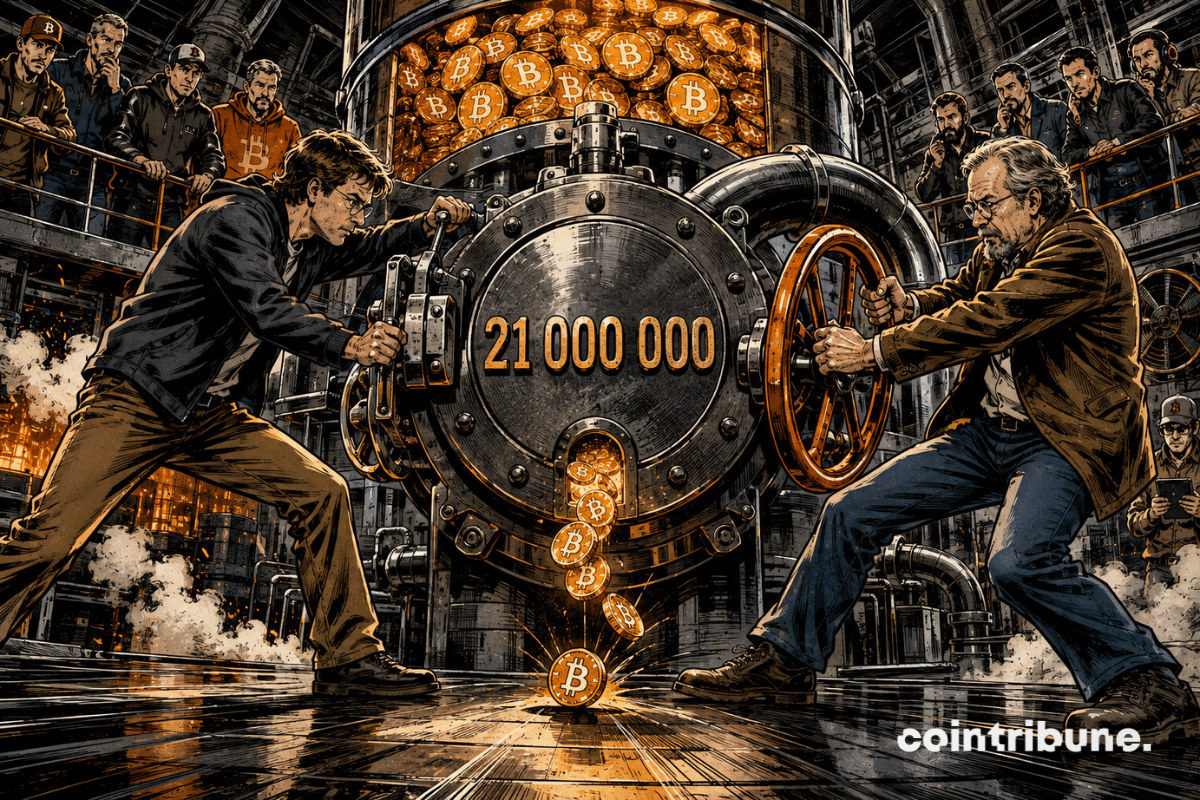
21 million 비트코인 상한선이 다시 논쟁의 중심에 섰습니다. 개발자 Peter Todd는 2140년 이후에도 채굴자들에게 보상을 계속 제공하기 위해 영구적인 발행을 옹호합니다. Adam Back은 이를 원하지 않습니다. Blockstream의 대표는 이 논리가 사용자들을 비트코인 규칙의 위험한 수정으로 끌어들이는 방식이라고 보고 있습니다. 현재 어떤 변경 사항도 준비되고 있지 않습니다.
요약
- Peter Todd는 블록 보상이 사라진 후 비트코인의 소규모 영구 발행을 옹호합니다.
- Adam Back은 이 아이디어를 거부하고 이를 홍보하는 데 사용되는 논거들에 대해 경고합니다.
- 21 million 상한선을 변경하려면 시장에서 수용되는 하드 포크가 필요합니다.
비트코인: Peter Todd, 발행량 연장 원해
비트코인이 방금 20 million BTC 채굴이라는 이정표를 통과했습니다. 프로토콜이 설정한 한도에 도달하기까지 약 one million 코인이 남아 있습니다. 이 마지막 one million은 시간이 걸릴 것입니다.
채굴자들은 현재 블록당 3.125 BTC를 받습니다. 이 보상은 약 4년마다 절반으로 줄어듭니다. 약 thirty번의 반감기가 남아 있으며, 마지막 satoshis는 2140년경에 생성될 것으로 예상됩니다. 그 이후에는 더 이상의 새로운 비트코인은 없습니다.
Peter Todd는 이 보상이 사라지면 채굴자들에게 어떤 일이 일어날지 오랫동안 고민해 왔습니다. 그때가 되면 그들은 블록에 거래를 기록하기 위해 사용자들이 지불하는 수수료에만 의존해 생존해야 할 것입니다.
Todd는 이러한 수익이 너무 불규칙하다고 생각합니다. 어떤 블록은 높은 수수료를 발생시키지만, 다른 블록은 현저히 낮습니다. 그의 말에 따르면, 이러한 상황은 채굴자들이 특히 수익성이 높은 블록을 회수하기 위해 블록체인을 재구성하도록 부추길 수 있습니다.
그의 해결책은 소규모의 영구적인 보상을 유지하는 것입니다. 그렇게 되면 비트코인은 점진적으로 21 million 단위를 초과하게 될 것입니다.
Adam Back, 21 million 건드리는 것 원치 않아
이 아이디어는 Adam Back을 전혀 기쁘게 하지 않습니다. Blockstream의 대표는 이러한 종류의 변경을 지지하는 사람들이 정보가 부족한 사용자들을 자신이 위험하다고 생각하는 수정안으로 유인하기 위해 단순한 내러티브를 만들어내고 있다고 비난합니다.
Back은 이 접근 방식을 최근 BIP-110을 둘러싼 논쟁에 비유합니다. 이 논란이 많은 제안은 비트코인 블록에서 특정 비결제 데이터를 필터링하고자 했습니다. 목표 임계값은 55%였지만, 채굴자 지지율은 약 2.53%에 그쳤습니다.
Market Context
Bitcoin
BTC
$84,990
+0.53% (24H)
Market Cap
$1.71T
Circulating Supply
20.1M BTC
24H Volume
$14.6B
24H High
$85,057
Article Intelligence
Key Entities
Topics
Related Coverage
 Crypto$Bitcoin (BTC.CC)$ May this lucky cat bring good fortune, prosperity, and new opportunities your way.25분 전 · 1 min read
 Crypto5 Best Crypto Presales as Bitcoin Breaks $86K and Retail Asks Where the Bigger Upside Is Still Hiding36분 전 · 4 min read
 CryptoBitcoin starts to rise. What’s next for the market? Binance overview.36분 전 · 1 min read
Sponsored
Ad
NewsLayerLearn more
NewsLayer Premium
Unlock deeper intelligence.
Ad-free reading, exclusive research, and real-time onchain insights.
Go Premium