
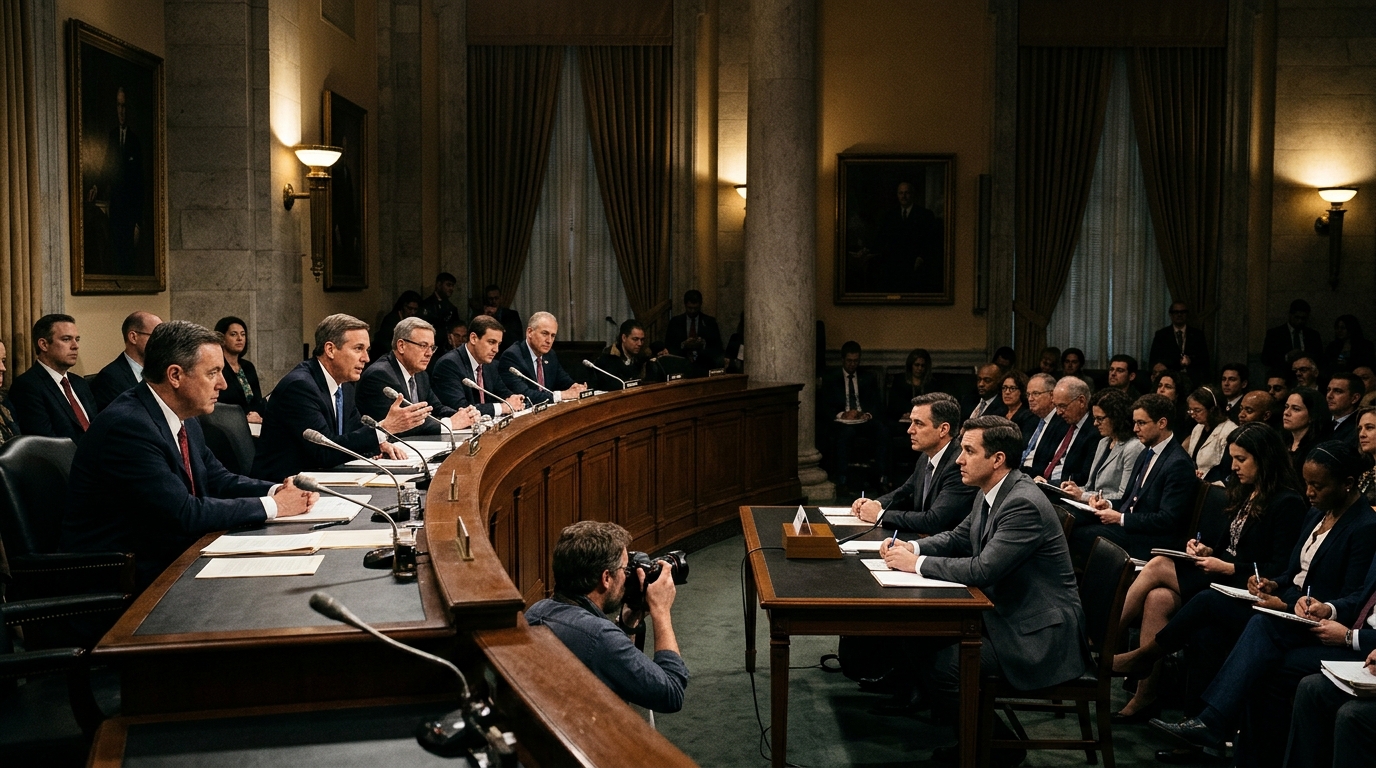
Taken together, the Russia, UK, and HTX developments signal that the crypto market is entering a new phase: not mass deregulation, but supervised consolidation. Russia’s approval of NAUFOR as a self-regulatory body for crypto exchanges and digital asset depositories is especially notable because it shows a major state choosing to formalize oversight through a recognizable market-structure framework rather than leaving crypto in a gray zone. That is not a blanket endorsement of open crypto markets, but it is a meaningful admission that digital asset trading now requires institutional plumbing, standards, and accountable gatekeepers.
At the same time, the UK’s action against HTX shows the opposite edge of the same trend. Markets are increasingly unwilling to tolerate offshore platforms marketing into local jurisdictions without full compliance. The message is simple: access to customers will be rented only to firms that submit to domestic rules. That is structurally bullish for regulated incumbents, licensed custodians, compliance software providers, and institutional execution venues. It is bearish for the long-running business model of operating everywhere, regulated nowhere, and relying on fragmented enforcement to preserve margin.





