
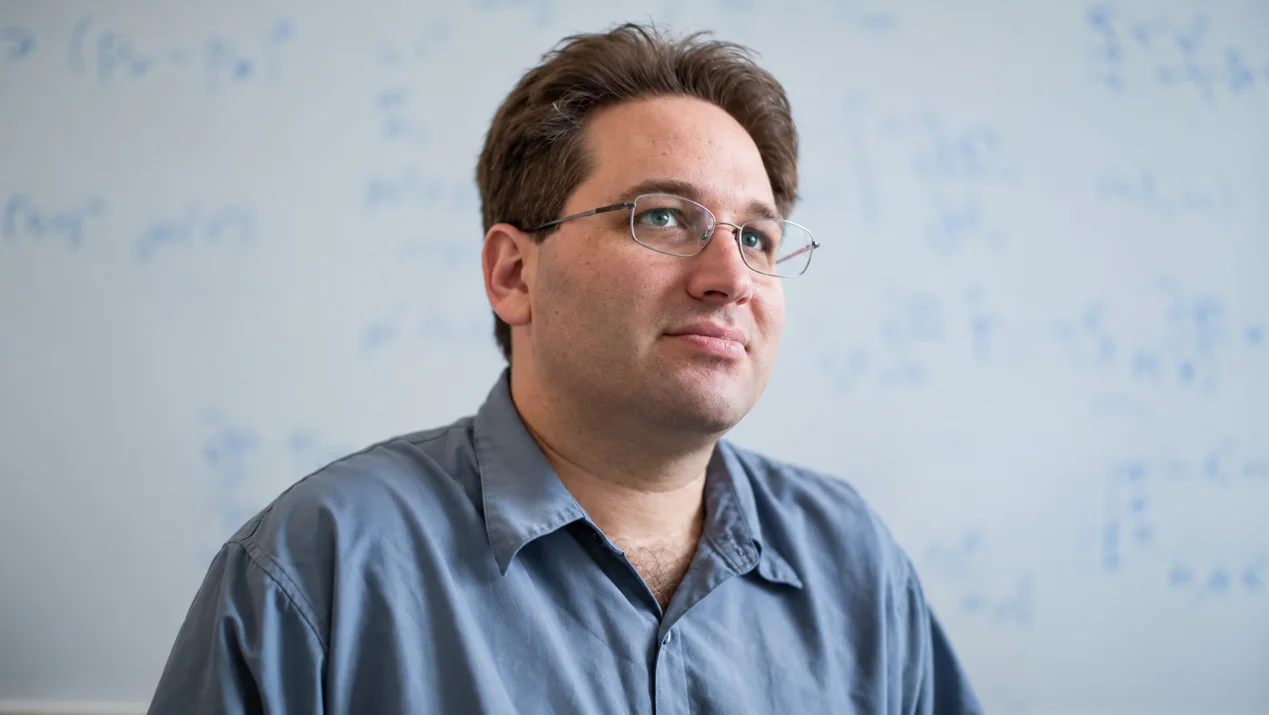
Guest Post By Scott Aaronson, a computer scientist at the University of Texas at Austin.
Guest Post: Why Critical Infrastructure Must Prepare for Cryptographic Uncertainty
Guest Post By Scott Aaronson, a computer scientist at the University of Texas at Austin. Companies preparing for quantum computers may have to confront a threat that requires no quantum computer at all. For the operators of critical…
Resonance
Publisher The Quantum Insider
Nov 27, 2026 at 1:27 PM UTC · 5 분 소요
번역 중…
Companies preparing for quantum computers may have to confront a threat that requires no quantum computer at all. For the operators of critical infrastructure, from electric utilities and water systems to hospitals and telecom networks, the lesson is simple: keep the move to quantum-resistant cryptography on schedule, but buy systems that can change their security methods again when a new weakness emerges. The next upgrade should not be the last one any device can take.
The rumors behind this did not come from nowhere. On October 26, OpenAI announced that one of its models had refuted the Exponential Time Hypothesis, a central conjecture in complexity theory, and Anthropic published an independent refutation hours later. Then, on November 24, Scott Aaronson, a computer scientist at the University of Texas at Austin, wrote on his blog that he had heard many rumors that OpenAI or Anthropic might have found a way to factor large numbers in polynomial time on ordinary computers. That means the computing time grows no faster than a fixed power of the number of digits. The following day, Aaronson said he was virtually certain the labs were holding cryptography “bombshells,” while emphasizing that he had neither seen the details nor heard directly from either lab.
Article Intelligence
Sponsored
Ad
NewsLayerLearn more
NewsLayer Premium
Unlock deeper intelligence.
Ad-free reading, exclusive research, and real-time onchain insights.
Go Premium