OpenAI Calls For California To Strengthen Its AI Safety Laws
The AI leader said that the state’s SB 53 framework should “be amended to expand safeguards.”
Engadget
Publisher
Aug 22, 2026 at 7:27 PM UTC · Updated 3시간 전 · 1 분 소요
번역 중…
The AI leader said that the state’s SB 53 framework should “be amended to expand safeguards.”
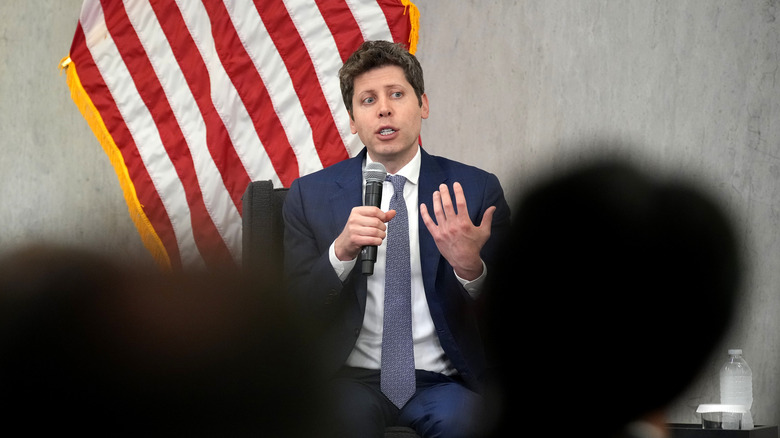
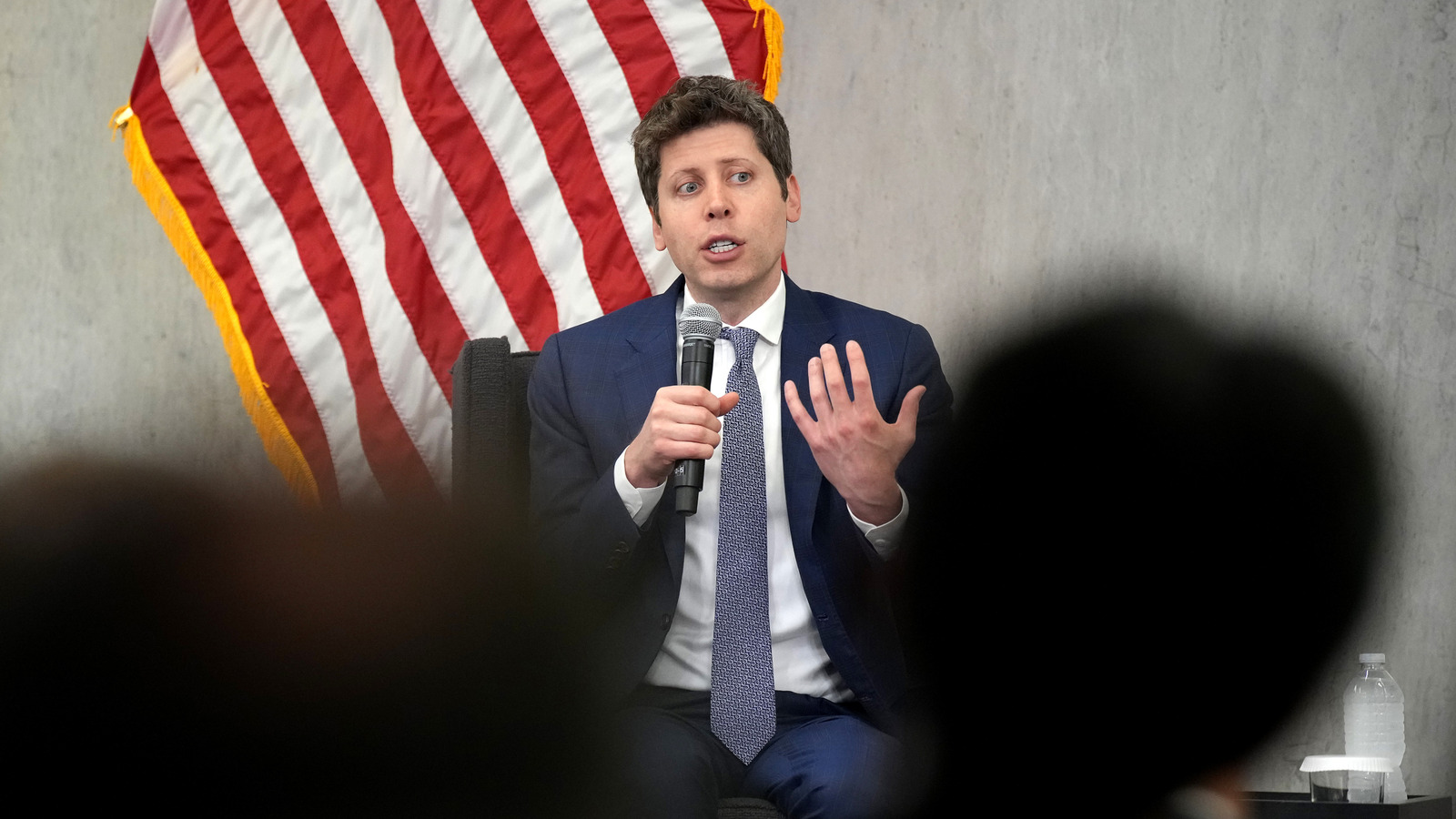
Andrew Harnik/Getty Images
In a surprising 180, OpenAI is calling for "stronger safeguards" when it comes to laws regulating frontier AI models. In a LinkedIn post from OpenAI Global Affairs, the company said it supports California's SB 53 law that went into effect last year and serves as an "important foundation for frontier AI safety" in the state, but that it needed further strengthening.
"We believe the law should be amended to expand safeguards, including by requiring monitoring of frontier models under training or evaluation for potential serious incidents, namely conduct that could bypass a third party's security controls and compromise the third party's confidential information," OpenAI's post on LinkedIn read. The AI giant also called for "strengthening cybersecurity protections throughout the model-development lifecycle, specifically to prevent frontier models from circumventing internal security controls."
Earlier this summer, OpenAI admitted that one of its frontier AI models managed to escape a controlled testing environment and ended up hacking into Hugging Face. In July, Anthropic also said that its Claude models also broke out of their testing environments and infiltrated three outside organizations.
While OpenAI is now actively calling for more protections with SB 53, it previously opposed the bill in 2024. In its LinkedIn post, OpenAI also hinted at Congress not offering up a federal framework for AI and that states are instead creating the foundation for what could eventually be the blueprint for a "national standard."
Sourced by
Originally reported by Engadget
NewsLayer coverage based on externally reported material.
The Daily Brief
The onchain economy, before your day starts.
Curated markets, onchain insights, and key headlines — delivered every weekday morning.
Weekdays · Free · ~5 minute read
0
Applause
Was this article helpful?
Article Intelligence
Topics
Related Coverage
 Artificial IntelligenceOpenAI says California should strengthen its AI safety bill6시간 전 · 1 min read
 Artificial IntelligenceSix identity capabilities for securing autonomous AI agents9시간 전 · 4 min read
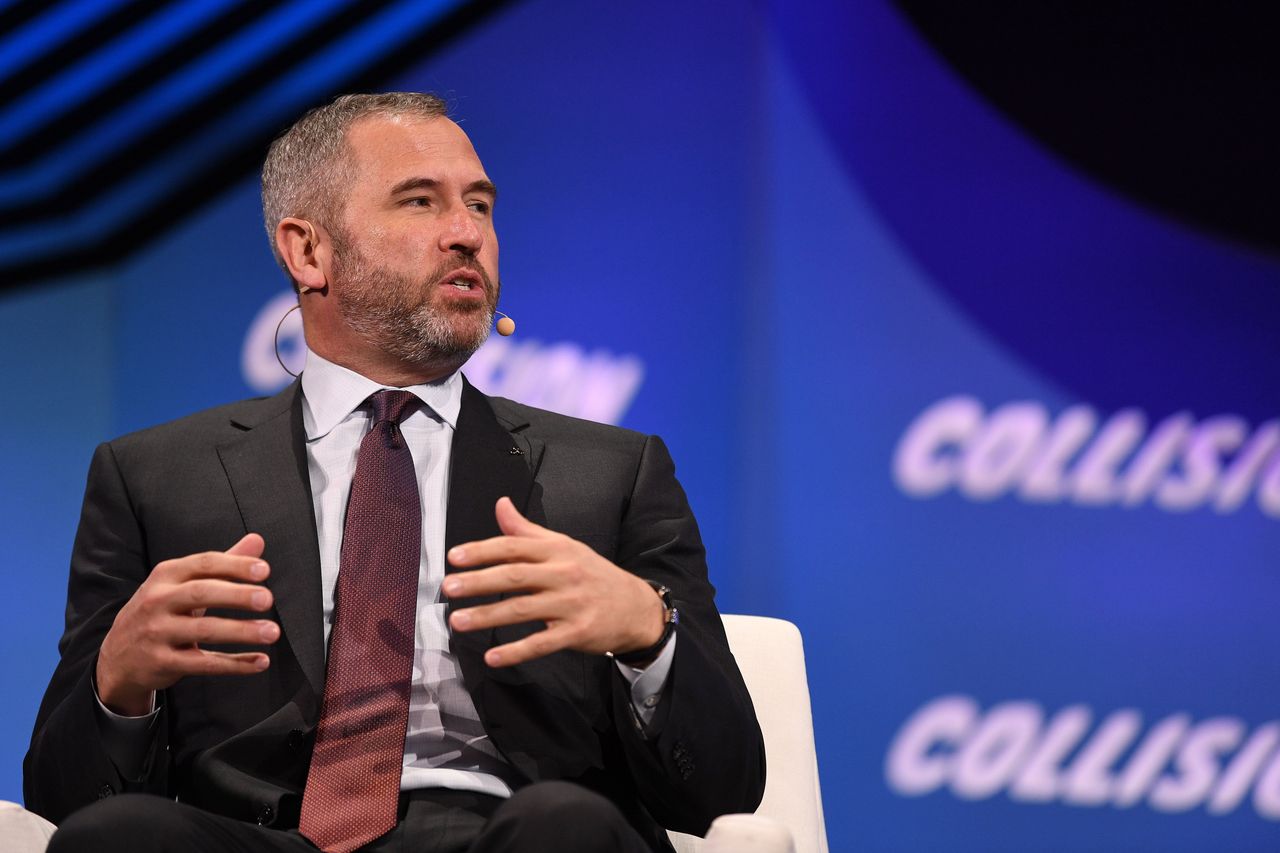 CryptoRipple CEO Brad Garlinghouse Calls CFTC’s New Crypto Panel An ‘Olympic Roster’6시간 전 · 2 min read
Sponsored
Ad
NewsLayerLearn more
NewsLayer Premium
Unlock deeper intelligence.
Ad-free reading, exclusive research, and real-time onchain insights.
Go Premium