


A 402 page proposal, two fundraising exemptions, and a safe harbor that could remove the investment contract label from qualifying tokens. What the framework means and where it falls short.
The SEC just proposed actual crypto rules: Regulation Crypto Assets explained
A 402 page proposal, two fundraising exemptions, and a safe harbor that could remove the investment contract label from qualifying tokens. What the framework means and where it falls short.
Cryptonews.net
Publisher
Aug 25, 2026 at 2:12 PM UTC · 14 분 소요

번역 중…
For a decade, the crypto industry asked the SEC for clear, written rules. The agency responded with enforcement actions, no action letters, and speeches that implied the rules existed somewhere but could not be found in any statutory text or formal rulemaking document. On August 18, 2026, the SEC did something it had never done before: it published actual rules.
Regulation Crypto Assets is a 402 page proposing release that creates a standalone offering framework for investment contracts involving crypto assets. It includes two registration exemptions, a safe harbor that could potentially remove the “investment contract” label from qualifying tokens, and disclosure requirements calibrated for crypto rather than borrowed from the traditional securities playbook.
The proposal landed six days after the Senate left for August recess without voting on the CLARITY Act, the congressional bill that many in the industry viewed as the definitive solution to a decade of regulatory ambiguity. With Polymarket odds for the bill’s 2026 passage collapsing from 82% to roughly 16%, the SEC stepped into the vacuum. Whether the agency is filling a gap or building a rival framework depends on who you ask.
Article Intelligence
Regulation Signal
in progressUpdated 18일 전
SEC Crypto Asset Market Structure RulemakingRelated Coverage
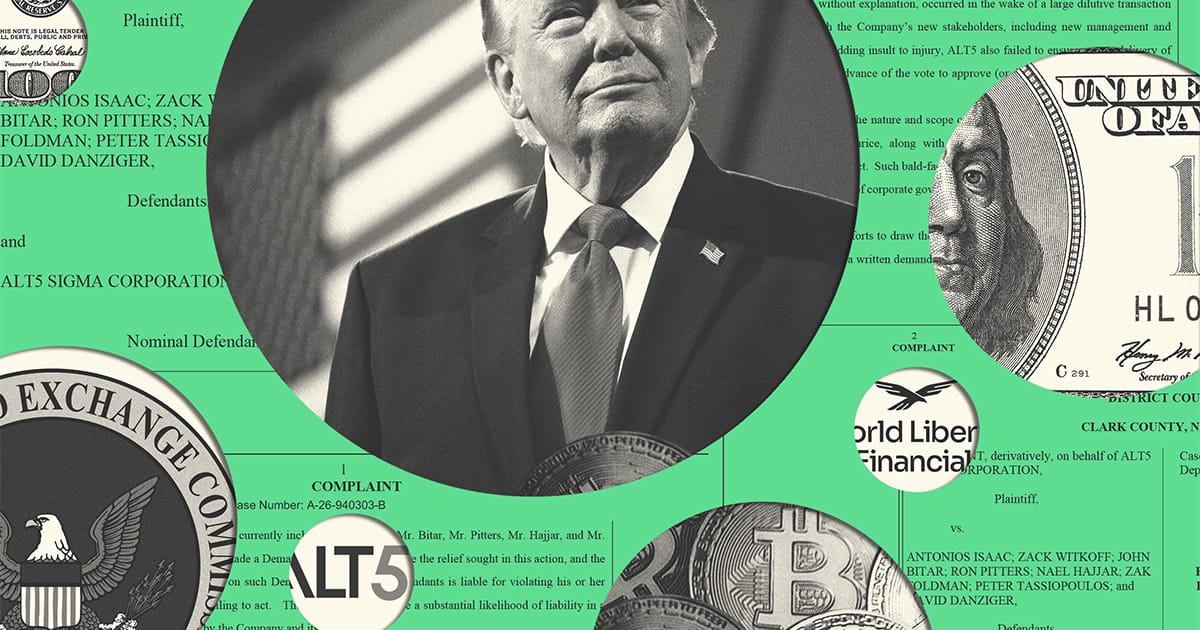 PolicyNo SEC Probe of Trump Crypto Deal Despite Alleged "Illegality"2시간 전 · 1 min read
 CryptoBitcoin Bull Run Is Here: Arthur Hayes Says Treasury Buybacks Will Send BTC Soaring2시간 전 · 3 min read
 CryptoIndia plans first tokenized bonds using wholesale CBDC: Report2시간 전 · 1 min read
Sponsored
Ad
NewsLayerLearn more
NewsLayer Premium
Unlock deeper intelligence.
Ad-free reading, exclusive research, and real-time onchain insights.
Go Premium