
Uncovering the Trump administration’s secret rules for AI model deployment
On September 1, 2026, Protect Democracy, represented by Kaplan Johnson Abate & Bird LLP, filed suit against the White House Office of the National Cyber Director, the Department of Commerce, the Department of the Treasury, and the…
Protect Democracy
Publisher
Sep 2, 2026 at 1:34 PM UTC · Updated 7시간 전 · 2 분 소요

번역 중…
On September 1, 2026, Protect Democracy, represented by Kaplan Johnson Abate & Bird LLP, filed suit against the White House Office of the National Cyber Director, the Department of Commerce, the Department of the Treasury, and the White House Office of Science and Technology Policy, to enforce a Freedom of Information Act request made in August.
The original request sought information about the “voluntary” framework the White House says it finalized on August 1 to review advanced AI models before release, as well as the participating companies, and the legal authority behind the framework.
Background
In early August, the Trump administration rolled out a so-called voluntary framework to review certain AI models that don’t release their code to the public. So far, the administration has described the framework only in general terms and has not disclosed what it contains, which companies are involved, or the legal basis for it. The regulatory process was set up without any legislation or legal authority of any kind, and almost no details have been released to the media, civil society, or the American public.
That means the executive branch is now choosing which companies can release their products and which customers get access to a technology that could shape the future of not only American industry and national security, but economies and governments abroad as well. All with no oversight from Congress, the public, or tech experts outside of the executive branch.
Article Intelligence
Topics
Regulation Signal
in progressUpdated 한 달 전
SEC Crypto Asset Market Structure RulemakingRelated Coverage
 PolicyTrump administration says a New York Times win in OpenAI lawsuit would “threaten national security” and hurt small newsrooms3시간 전 · 4 min read
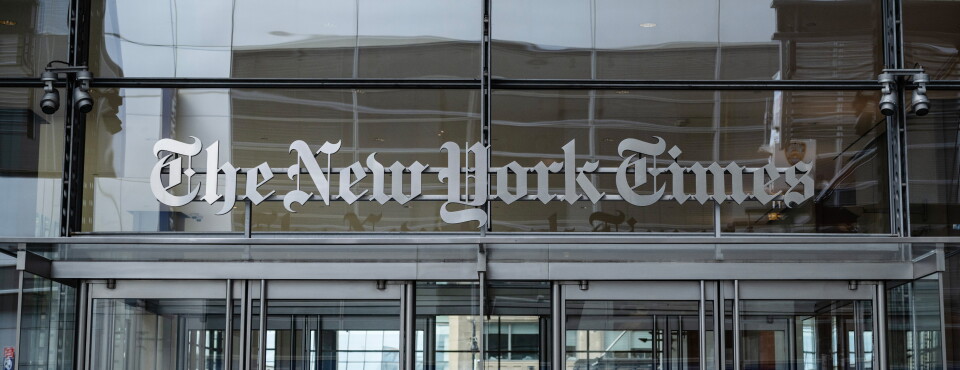 PolicyTrump Administration Backs OpenAI in NY Times Copyright Suit4시간 전 · 3 min read
 PolicyTrump Administration Sides With OpenAI in New York Times Copyright Lawsuit5시간 전 · 3 min read
Sponsored
Ad
NewsLayerLearn more
NewsLayer Premium
Unlock deeper intelligence.
Ad-free reading, exclusive research, and real-time onchain insights.
Go Premium