

A cryptocurrency transaction can have tax consequences even when no dollars change hands or banks. Selling bitcoin, swapping it for another token or using it to buy something may count as disposing of property.
Are Crypto Transactions Taxable? Here's What To Know
A cryptocurrency transaction can have tax consequences even when no dollars change hands or banks. Selling bitcoin, swapping it for another token or using it to buy something may count as disposing of property.
MoneyLion
Publisher
Nov 28, 2026 at 10:13 PM UTC · 3 min de leitura
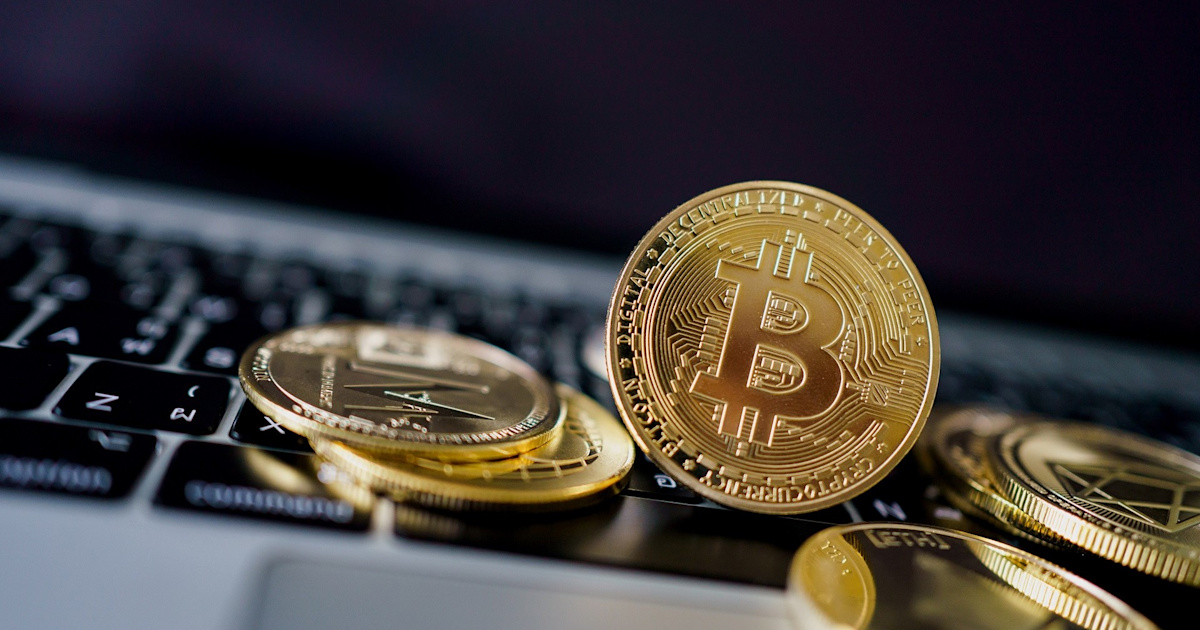
Here’s how to tell which activity may affect your tax return and what records to gather.
Explore More: 6 Smart Investments To Make Before the End of 2026
Outages and Cyberattacks Are Stacking Up: Here's How You Can Help Protect Your Personal Information
Which Crypto Transactions Can Trigger Taxes?
Simply buying crypto with dollars and holding it generally won’t be taxable, according to Mark Reich, certified public accountant (CPA) and principal at River Edge Advisors. However, exchanging one cryptocurrency for another, say bitcoin to Ethereum, would count as a taxable event, “even though no dollars touched your account,” Reich said. A taxable event means you need to calculate a gain or loss though it doesn’t always mean you’ll owe tax.
Your gain or loss generally depends on the difference between your cost basis — usually what you paid for the crypto — and the amount you received when you disposed of it, after applicable transaction costs, he explained. For example, if you bought crypto for $10 and later used it to buy shoes worth $50, you may have a $40 gain before accounting for applicable fees. Gains on crypto held as a capital asset for more than a year may qualify for long-term capital-gains tax rates.
Market Context
Article Intelligence
Topics
Related Coverage
 CryptoUkraine passes crypto tax bill, leaving a question for stablecoin recipientshá 23 minutos · 3 min read
 PolicyNY court orders NovaTech founders to pay $1.3 billionhá 34 minutos · 2 min read
 PolicyRussian venture capitalist revealed as multibillion-dollar stakeholder in Tether: FThá 2 horas · 2 min read
Sponsored
Ad
NewsLayerLearn more
NewsLayer Premium
Unlock deeper intelligence.
Ad-free reading, exclusive research, and real-time onchain insights.
Go Premium