

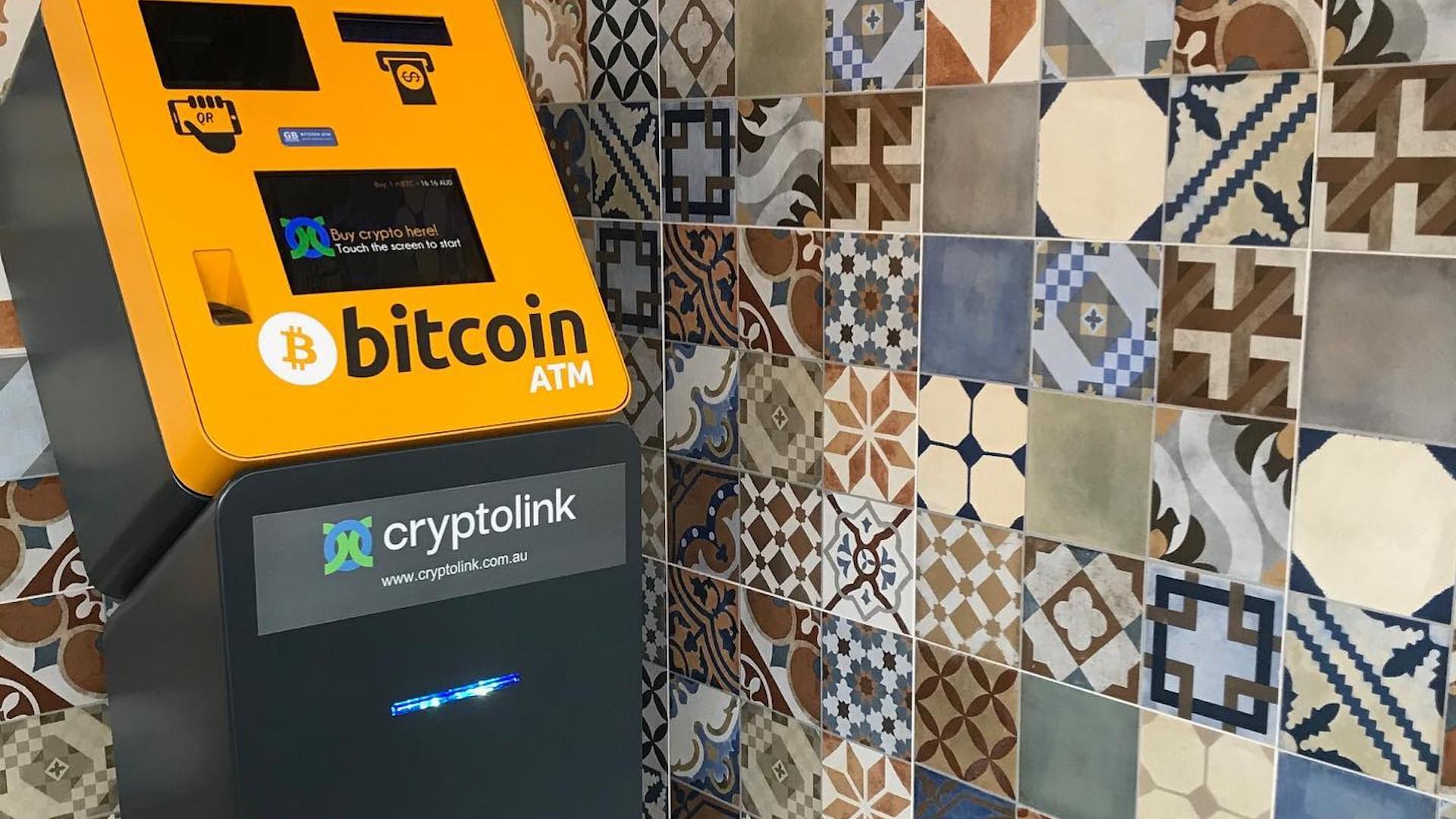
Australia's latest enforcement step against cash-to-crypto machines has sidelined a major operator, leaving 96 crypto ATMs across the country out of service.
Australia pulls crypto ATM network's license, forces 96 machines offline over scam links
Australia's latest enforcement step against cash-to-crypto machines has sidelined a major operator, leaving 96 crypto ATMs across the country out of service.
The Cool Down
Publisher
Aug 14, 2026 at 3:37 PM UTC · 2 min de leitura
Key Signal
96 Crypto ATMs taken offline
Last Updated
há 2 meses
Traduzindo…
What happened?
Starting August 9, 2026, AUSTRAC paused Cryptolink Pty Ltd.'s Virtual Asset Service Provider registration for three months.
Because the business needs that registration to keep operating, the halt took all 96 of its crypto ATMs offline nationwide.
At the center of the case were Threshold Transaction Reports, which must be submitted within 10 business days of a cash transaction exceeding 10,000 Australian dollars (around $7,049).
AUSTRAC said Cryptolink did not file those reports as required, undermining a system authorities use to monitor large cash movements for potential fraud or money laundering.
This came after earlier regulatory action in 2025, when AUSTRAC fined Cryptolink 56,340 Australian dollars (around $39,726) and placed the company under an enforceable undertaking intended to improve its monitoring and reporting.
But AUSTRAC CEO Brendan Thomas said, "While Cryptolink met the conditions stipulated in its enforceable undertaking, it subsequently failed to meet basic reporting obligations, particularly for threshold transaction reports."
Article Intelligence
Related Coverage
 CryptoBitcoin Price Analysis: Treasury Companies Break Even Near $80,000. What Happens if BTC Falls Below It?há 4 horas · 1 min read
 CryptoArkham CEO on $1 Billion of U.S. Government Bitcoin Moved to “Unknown” Wallethá 4 horas · 1 min read
 CryptoBitcoin ATM service to shut down in Oregon under settlementhá 4 horas · 1 min read
Sponsored
Ad
NewsLayerLearn more
NewsLayer Premium
Unlock deeper intelligence.
Ad-free reading, exclusive research, and real-time onchain insights.
Go Premium