The headline number around bitcoin’s weekly options expiry is large enough to attract attention, but sophisticated investors know nominal open interest is only the starting point. The deeper issue is how concentrated strikes, dealer gamma exposure, and the balance between covered calls, protective puts and outright speculative positioning shape spot behavior into and just after expiry. When bitcoin rallies into a major expiry, the popular retail narrative is that bullish positioning will simply pull price higher. In practice, these events often become two-sided stress tests: if spot holds above key strikes, short-gamma hedging can amplify upside; if macro risk hits at the wrong moment, the same structure can accelerate downside as dealers and leveraged traders de-risk simultaneously.
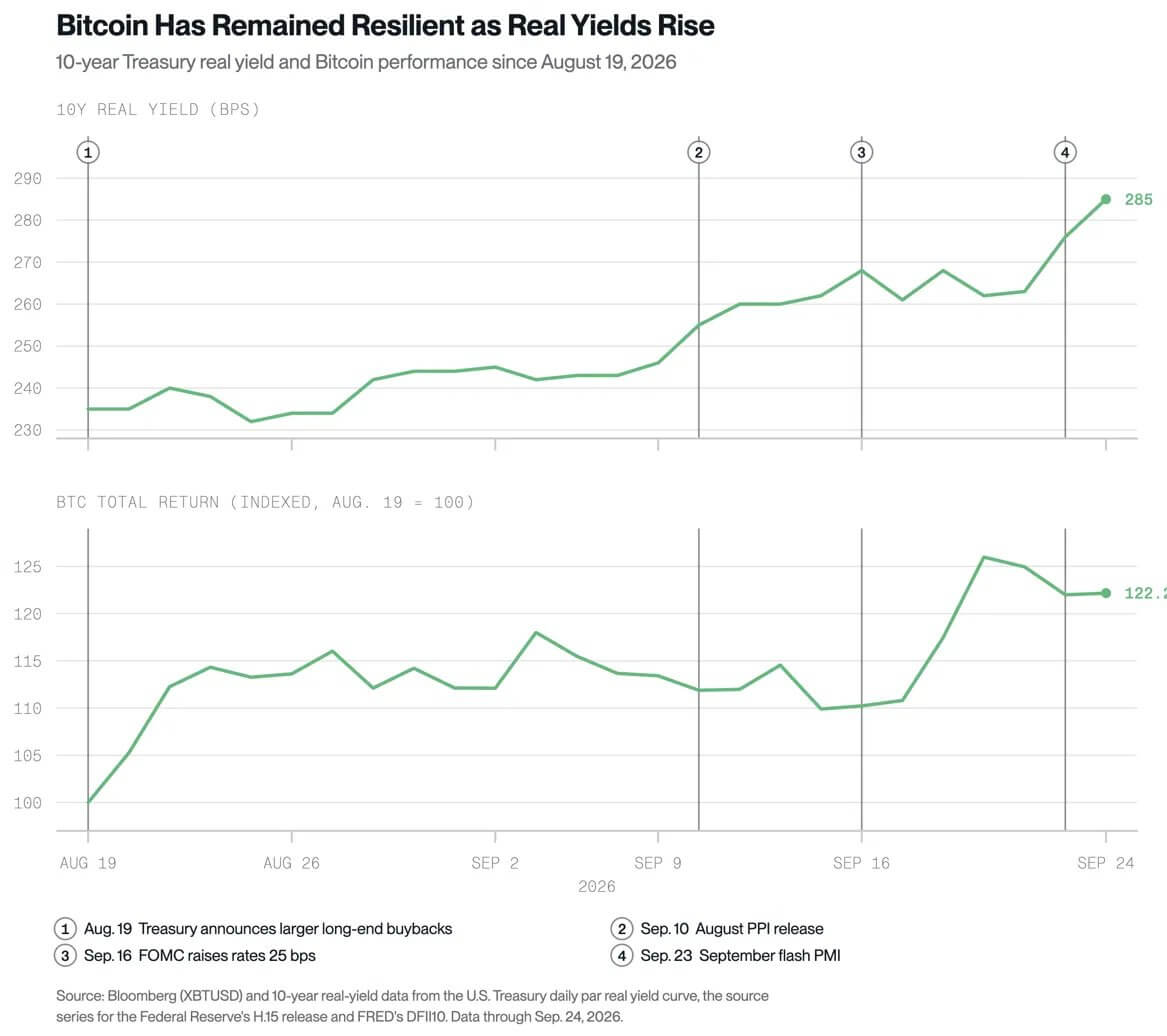
That is why the bond selloff matters more than the expiry headline. Crypto has spent much of this cycle trying to reclaim a narrative of idiosyncratic strength, yet each time rates volatility surges, bitcoin is forced back into the role of a high-beta liquidity asset. The selloff tied to bonds is a reminder that, despite ETF flows and improving institutional access, bitcoin still trades inside a broader hierarchy of collateral and risk appetite. The question for smart money is not whether one expiry will break the rally, but whether the market can absorb derivative positioning without relying on ever-easier financial conditions. That distinction defines whether this remains a structurally healthy uptrend or becomes another leverage-driven squeeze vulnerable to sharp air pockets.