
Uma espera de cinco semanas por uma votação crucial no Senado sobre uma importante legislação de criptomoedas abriu uma ampla janela de oportunidade tanto para defensores quanto para oponentes da medida, que detalharia um arcabouço regulatório para as operações da indústria ainda nascente nos EUA.
Projeto de lei cripto no limbo com avanço de esforços no recesso
Projeto de lei cripto no limbo com avanço de esforços no recesso rollcall.com
rollcall.com
Publisher
Aug 18, 2026 at 10:52 AM UTC · 5 min de leitura

Pouco antes de o Senado encerrar para o recesso de verão no início deste mês, o Líder da Maioria no Senado, John Thune, R-S.D., adiou para 15 de setembro uma votação de encerramento de debate (cloture) sobre uma moção para prosseguir com o projeto de lei, em meio a disputas persistentes e tempo insuficiente para resolvê-las.
A legislação é uma emenda substitutiva do Senado de 616 páginas a um projeto de lei da Câmara que estabeleceria regulamentos para a supervisão das operações dos mercados de ativos digitais.
O principal ponto de discórdia é uma disposição ética que restringiria a capacidade do Presidente Donald Trump e de outras autoridades públicas de lucrar com empreendimentos de cripto. Outras divergências centram-se em disposições que abordam financiamento ilícito, aplicação da lei e supervisão de desenvolvedores de redes de cripto, bem como uma batalha ainda não resolvida entre empresas de cripto e instituições financeiras tradicionais sobre depósitos que geram rendimentos.
Article Intelligence
Topics
Related Coverage
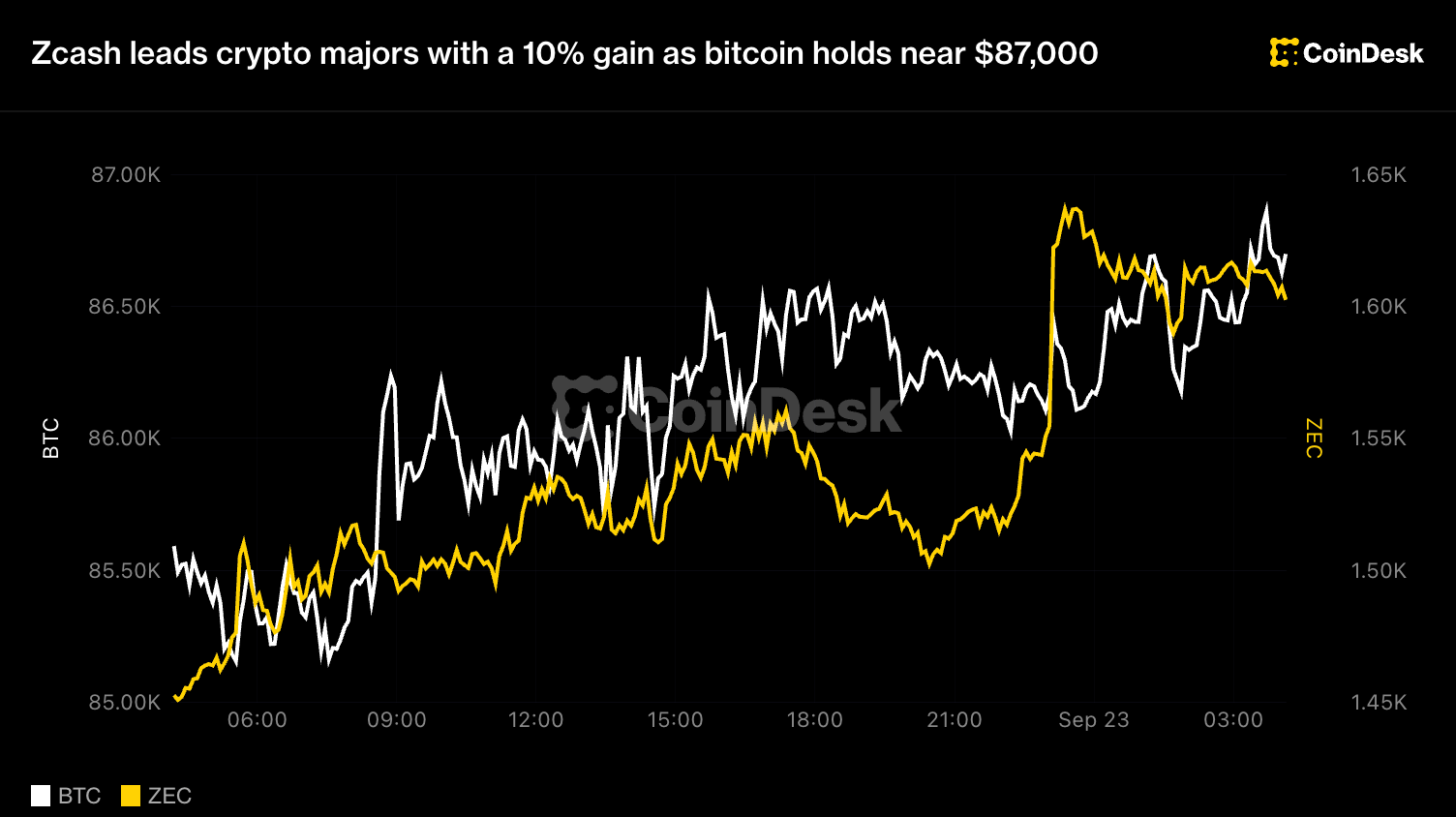 CryptoBitcoin nears $87,000, Zcash zooms 10% as U.S. bitcoin reserve bill clears committeehá uma hora · 1 min read
 CryptoGary Black Cites Kalshi, Says Democrats Set for Senate and House Wins in Midterms—Crypto Punters Agreehá 2 horas · 1 min read
 CryptoTokenized Stock Market Value Hits $3.15 Billion, and Crypto Lender Arch Wants Inhá 2 horas · 3 min read
Sponsored
Ad
NewsLayerLearn more
NewsLayer Premium
Unlock deeper intelligence.
Ad-free reading, exclusive research, and real-time onchain insights.
Go Premium