
Form 1099-DA treated every digital asset the same way in 2025, reporting gross proceeds of crypto sales to the IRS. Large crypto brokers such as Coinbase, Kraken, and Crypto.com all issued the forms for the first time. But Form 1099-DA is changing for the 2026 tax season. This year, the IRS will require digital assets to fall into one of two categories: “covered” and “noncovered.”
Crypto Broker Tax Form’s New Challenges Call for Early Action
Form 1099-DA treated every digital asset the same way in 2025, reporting gross proceeds of crypto sales to the IRS. Large crypto brokers such as Coinbase, Kraken, and Crypto.com all issued the forms for the first time. But Form 1099-DA…
news.bloombergtax.com
Publisher
Aug 19, 2026 at 8:30 AM UTC · 5 min de leitura

Key Signal
2026 New tax season rules
Last Updated
há 2 meses
Traduzindo…
Tax professionals need to understand the difference between these categories before they can navigate the filing process for millions of Americans who will receive these forms this year.
Form 1099-DA was introduced last year to streamline and automate the reporting of crypto sales that happened within custodial digital asset brokers. The form reported the price that the crypto was sold for, not the price it was bought for. That process was implemented as a transition to give brokers time to build the infrastructure needed to track basis on a new asset class.
This filing season, there is an added layer to navigate that changes the process significantly. Brokers now must report cost basis, but only for assets that never left their platform and were acquired after Jan. 1, 2026. If a user bought and sold a digital asset entirely within the same exchange account, then the broker will have seen the full transaction and can report the proceeds and the basis. This would be deemed “covered.”
Article Intelligence
Topics
Related Coverage
 CryptoStrategy adds 250 Bitcoin as holdings reach 848,250 BTChá 38 minutos · 1 min read
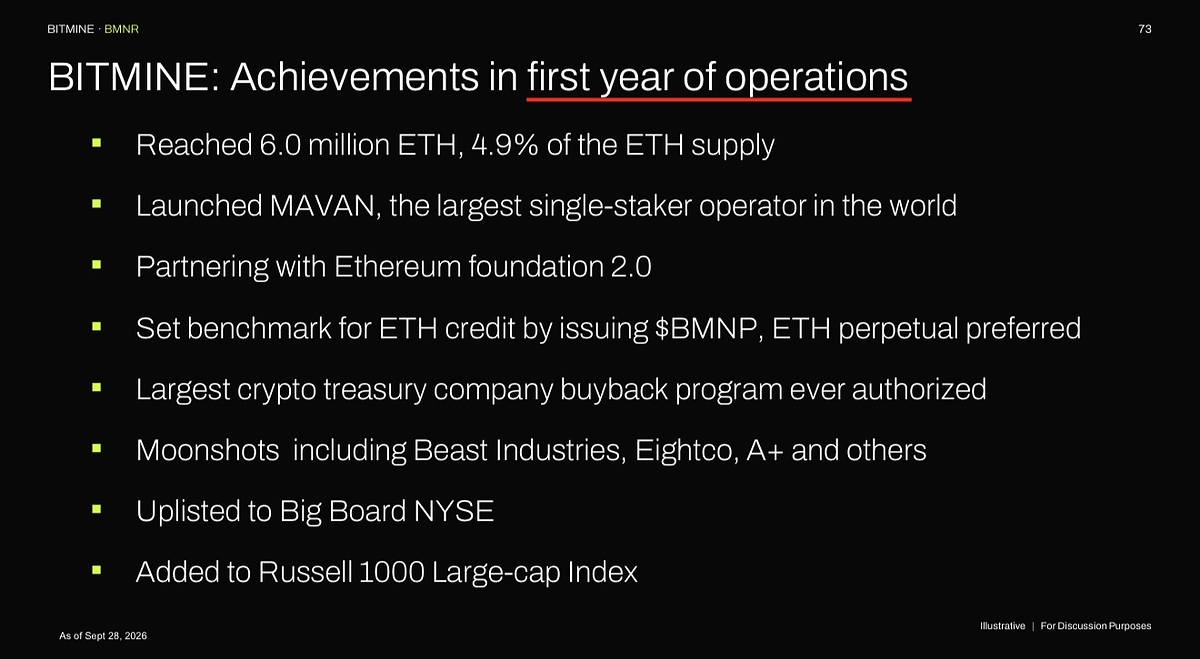 CryptoBitmine Immersion Technologies (BMNR) Announces ETH Holdings Reach 6.03 Million Tokens, and Total Crypto and Total Cash & Marketable Securities Holdings of $16.2 Billionhá 40 minutos · 9 min read
 CryptoThailand Ignites Crypto Revolution with Bitcoin ETF Regulationshá 2 horas · 3 min read
Sponsored
Ad
NewsLayerLearn more
NewsLayer Premium
Unlock deeper intelligence.
Ad-free reading, exclusive research, and real-time onchain insights.
Go Premium