
Crypto Treasury Management Shift as US Drops Mixer Rules
The landscape of crypto treasury management entered a new chapter on October 5, 2026. The U.S. Treasury Department’s Financial Crimes Enforcement Network (FinCEN) withdrew two proposals that had hung over digital asset operations for…
OneSafe
Publisher
Oct 6, 2026 at 12:42 AM UTC · Updated há 18 horas · 6 min de leitura

Traduzindo…
The landscape of crypto treasury management entered a new chapter on October 5, 2026. The U.S. Treasury Department’s Financial Crimes Enforcement Network (FinCEN) withdrew two proposals that had hung over digital asset operations for years: the 2023 mixing rule and the 2020 self-hosted wallet reporting rule. For treasury managers at startups and DAOs, the move immediately reduces the compliance overhead that had been looming and reopens the door to privacy-preserving tools once feared off-limits.
Table of Contents
What is crypto treasury management?
Crypto treasury management covers the policies and tools a business or DAO uses to steward digital assets—custody, liquidity, payments, risk, and regulatory reporting. Resources like the Cobo enterprise guide and Breezing’s 2026 treasury management overview explain the operational mechanics, but the regulatory dimension has always been the hardest piece to manage. That’s why FinCEN’s latest action matters.
What Just Happened: The Treasury’s Withdrawal of Mixer & Wallet Rules
According to BigGo Finance on October 5, 2026, FinCEN withdrew a 2023 rule that would have designated international crypto mixing as a primary money laundering concern under Section 311 of the USA PATRIOT Act, and a 2020 proposal to extend reporting requirements to transactions involving unhosted (self-hosted) wallets. Neither rule had been finalized, so existing Bank Secrecy Act (BSA) obligations remain unchanged. (BigGo Finance)
Article Intelligence
Key Entities
Tornado Cash
Related Coverage
 CryptoThis Is Why Bitcoin Treasury Companies Can Be Riskier Than BTChá 42 minutos · 2 min read
 CryptoTether Hit With Lawsuit Over $2.76 Million Stablecoin Freezehá uma hora · 2 min read
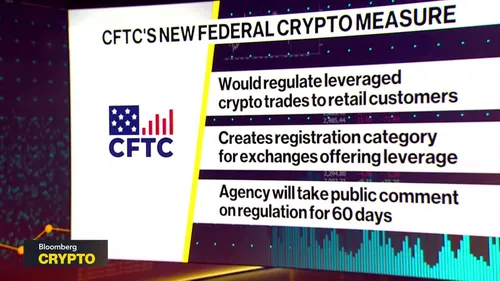 CryptoWatch CFTC Proposes Registering Crypto Exchanges Offering Leveragehá 2 horas · 1 min read
Sponsored
Ad
NewsLayerLearn more
NewsLayer Premium
Unlock deeper intelligence.
Ad-free reading, exclusive research, and real-time onchain insights.
Go Premium