


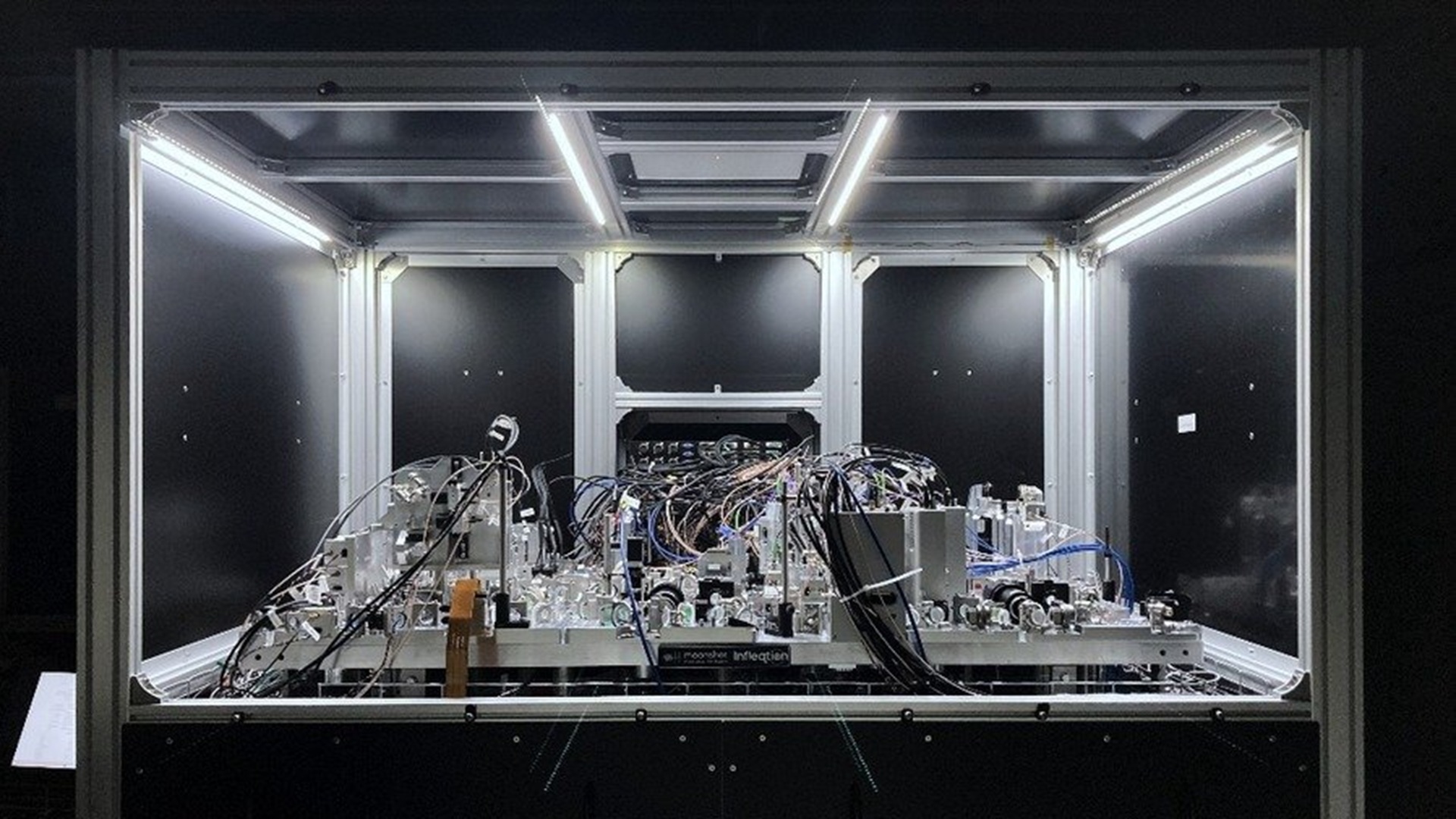
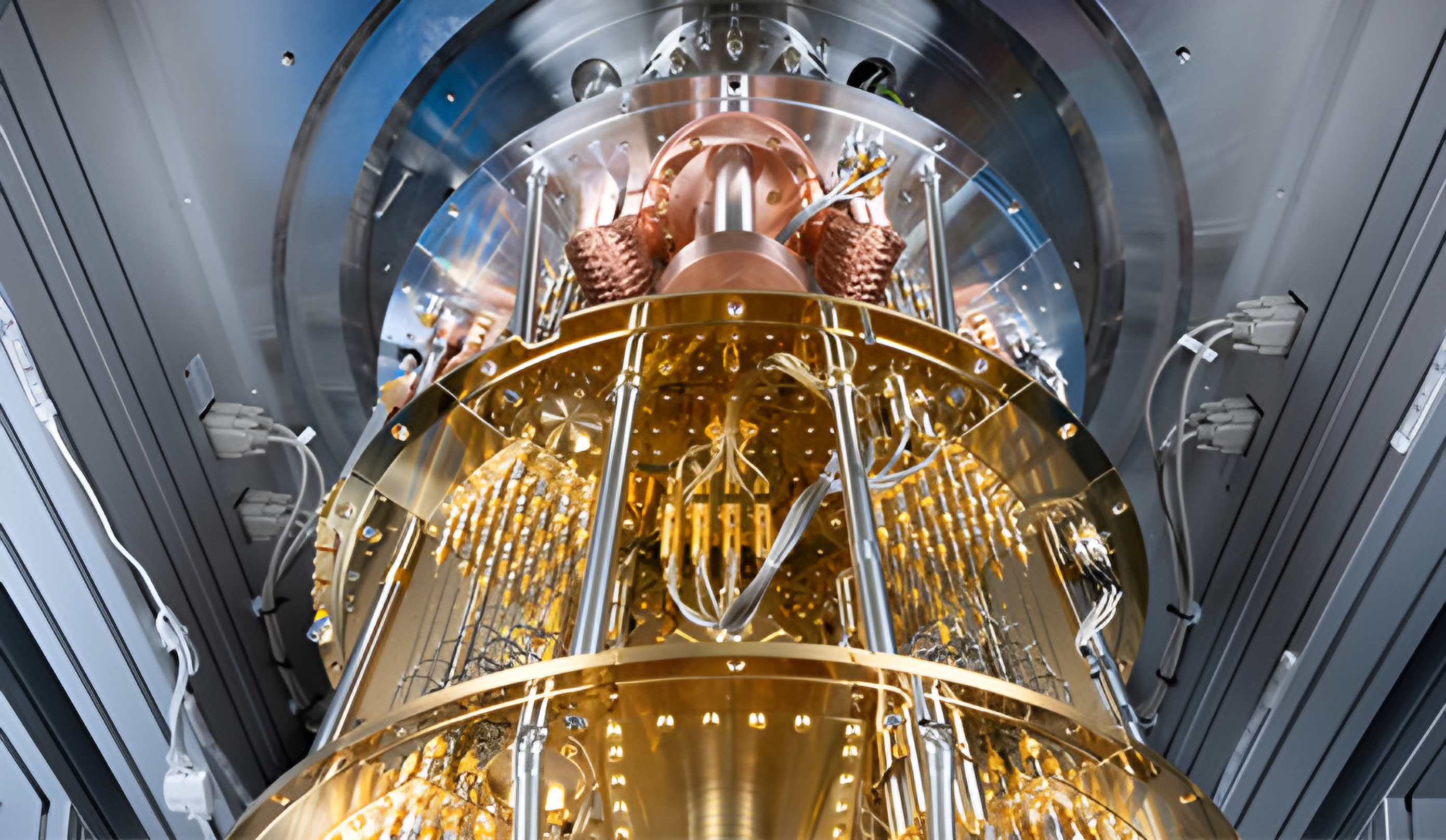
Japan’s first operational full-stack neutral-atom quantum computer, which packs approximately 50 qubits at launch and could eventually reach 500, has just been switched on.
First full-stack neutral-atom quantum computer debuts with 50 qubits
Japan’s first operational full-stack neutral-atom quantum computer, which packs approximately 50 qubits at launch and could eventually reach 500, has just been switched on.
Interesting Engineering
Publisher
Aug 25, 2026 at 5:44 PM UTC · 3 min de leitura
Traduzindo…
Called Shunkai, the system was designed by a research team led by Kenji Ohmori, PhD, a chemist and a renowned Japanese professor at the Institute for Molecular Science (IMS), part of Japan’s National Institutes of Natural Sciences. The machine officially went live on August 24.
Shunkai is powered by a quantum processing unit (QPU) supplied by Colorado-based quantum technology company Infleqtion. The company was also the only foreign quantum partner selected by the Japan Science and Technology Agency (JST) for its Quantum Moonshot program.
The program is a Japanese government effort aimed at developing fault-tolerant universal quantum computers by the year 2050. “This milestone marks a pivotal moment for Japan’s quantum ambitions as well as Infleqtion’s role in advancing production-ready quantum platforms at scale,” Pranav Gokhale, Infleqtion CTO, pointed out.
Japan’s quantum ambitions
According to Infleqtion, Shunkai will initially run with 50 qubits before expanding to around 500 as development progresses. Neutral-atom quantum computers use individual atoms as qubits, the basic units of quantum information.
Article Intelligence
Key Entities
JustLend
Topics
Related Coverage
 QuantumJapan Enters Neutral-Atom Race With Shunkai, Its First Full-Stack Quantum Computerhá 6 horas · 12 min read
 QuantumJapan Switches On Its First Full-Stack Neutral-Atom Quantum Computerhá 8 horas · 2 min read
 QuantumJapan Develops First Quantum Computer Based on "Neutral Atoms"há 5 horas · 1 min read
Sponsored
Ad
NewsLayerLearn more
NewsLayer Premium
Unlock deeper intelligence.
Ad-free reading, exclusive research, and real-time onchain insights.
Go Premium